THE ADVENTURE COLLECTIVE® · Independent discovery and booking for outdoor travel

Take an overnight train from Hanoi to Sapa, then spend three nights trekking Muong Hoa Valley with a homestay in Ta Van. Expect terraces, suspension bridges and close cultural encounters with H’mong and Zay communities.
Take an overnight train from Hanoi to Sapa, then spend three nights trekking Muong Hoa Valley with a homestay in Ta Van. Expect terraces, suspension bridges and close cultural encounters with H’mong and Zay communities.
Dawn squeezes through the narrow windows of an overnight soft-sleeper carriage as you rattle north from Hanoi; by sunrise you’re driving up from Lao Cai into clouds that lift to reveal terraces slicing the hills. The trail drops you into Muong Hoa Valley where rivers dare you to follow their sound, bamboo forests crowd the path, and terraced rice fields step down toward villages where H’mong and Zay families still work the land.
Verified experiences and guided adventures in the surrounding area.
Operated by Crossing Vietnam Tour · Sapa, Lao Cai
Dawn squeezes through the narrow windows of an overnight soft-sleeper carriage as you rattle north from Hanoi; by sunrise you’re driving up from Lao Cai into clouds that lift to reveal terraces slicing the hills. The trail drops you into Muong Hoa Valley where rivers dare you to follow their sound, bamboo forests crowd the path, and terraced rice fields step down toward villages where H’mong and Zay families still work the land.
This three-night itinerary pairs a classic Sapa loop—Y Linh Ho, Lao Chai, Ta Van, Giang Ta Chai and Hau Thao—with one night in a Zay homestay and one night in a H’mong area before the return overnight train. Geologically, the Hoang Lien Son range is steep, young, and rugged; Fansipan, Vietnam’s highest peak, looms to the west and shapes local weather. Culturally, the valley is home to layered traditions—indigo textiles, hill tribe handicrafts and rice cultivation adapted to steep slopes.
Expect mostly well-worn footpaths, river crossings via suspension bridges, bamboo-shaded climbs and downhill stretches across rocky steps. Typical daily walking is moderate—about 6–10 km with cumulative elevation changes of a few hundred meters—broken by village visits and long viewpoint pauses.
Practical notes: pack waterproof layers, sturdy trail shoes with good grip, and cash for local purchases. Start hikes after breakfast to avoid morning fog, respect homestay customs (ask before photographing), and build flexibility into your schedule for weather or train timing. The trip balances cultural contact with steady mountain walking—immersive, manageable and grounded in place.
Daily walks are moderate—typically 6–10 km with up-and-down trails and short steep sections; pace is steady with cultural stops.
Homestays are simple family homes offering shared rooms or mats, home-cooked meals, and basic amenities; bring a travel towel and modest sleepwear.
Yes—this tour includes round-trip soft-sleeper train tickets with shared four-berth cabins between Hanoi and Lao Cai.
The tour includes a local guide; while main trails are well-used, guides handle local navigation, introductions and cultural visits.
Crossing Vietnam Tour operates guided outdoor trips and adventures with an emphasis on safety, stewardship, and memorable experiences.
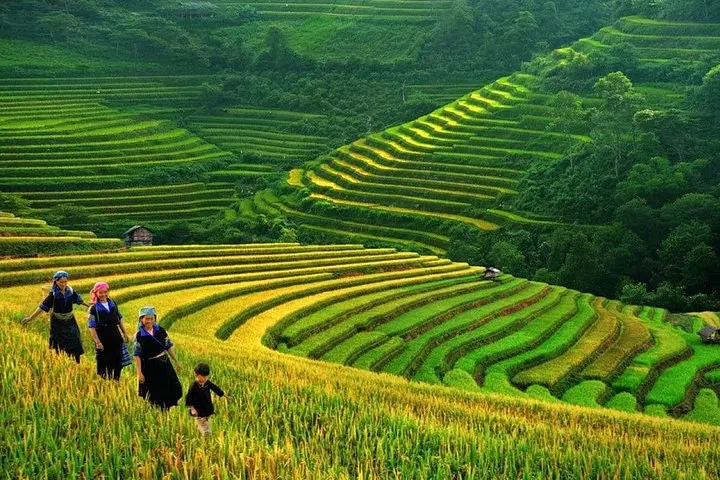
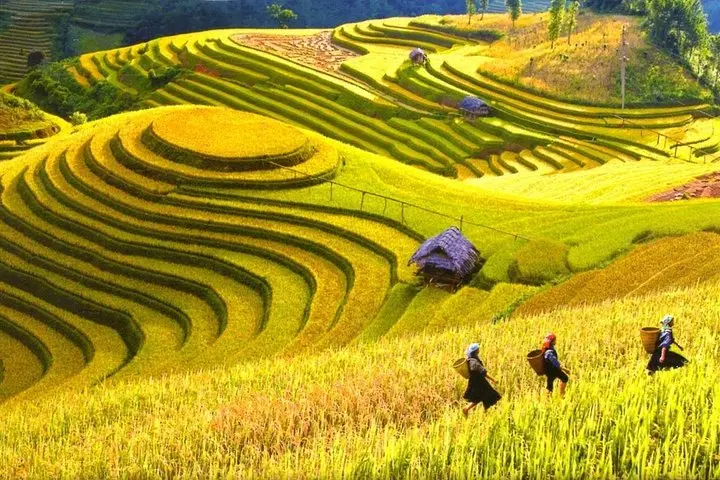

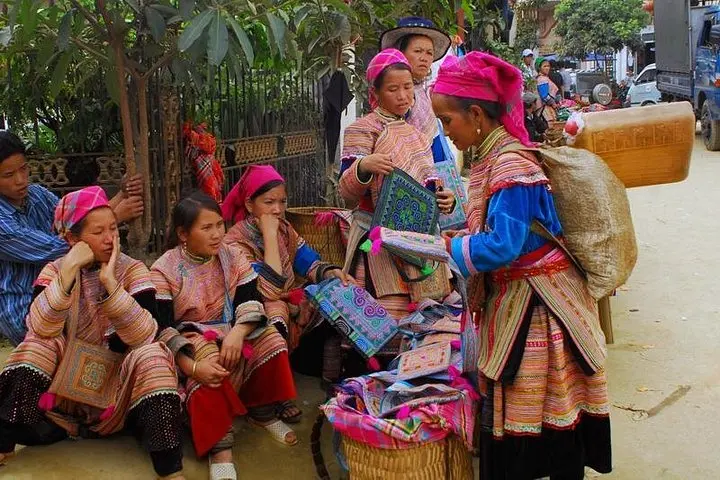
Dawn squeezes through the narrow windows of an overnight soft-sleeper carriage as you rattle north from Hanoi; by sunrise you’re driving up from Lao Cai into clouds that lift to reveal terraces slicing the hills. The trail drops you into Muong Hoa Valley where rivers dare you to follow their sound, bamboo forests crowd the path, and terraced rice fields step down toward villages where H’mong and Zay families still work the land.
Dawn squeezes through the narrow windows of an overnight soft-sleeper carriage as you rattle north from Hanoi; by sunrise you’re driving up from Lao Cai into clouds that lift to reveal terraces slicing the hills. The trail drops you into Muong Hoa Valley where rivers dare you to follow their sound, bamboo forests crowd the path, and terraced rice fields step down toward villages where H’mong and Zay families still work the land.
This three-night itinerary pairs a classic Sapa loop—Y Linh Ho, Lao Chai, Ta Van, Giang Ta Chai and Hau Thao—with one night in a Zay homestay and one night in a H’mong area before the return overnight train. Geologically, the Hoang Lien Son range is steep, young, and rugged; Fansipan, Vietnam’s highest peak, looms to the west and shapes local weather. Culturally, the valley is home to layered traditions—indigo textiles, hill tribe handicrafts and rice cultivation adapted to steep slopes.
Expect mostly well-worn footpaths, river crossings via suspension bridges, bamboo-shaded climbs and downhill stretches across rocky steps. Typical daily walking is moderate—about 6–10 km with cumulative elevation changes of a few hundred meters—broken by village visits and long viewpoint pauses.
Practical notes: pack waterproof layers, sturdy trail shoes with good grip, and cash for local purchases. Start hikes after breakfast to avoid morning fog, respect homestay customs (ask before photographing), and build flexibility into your schedule for weather or train timing. The trip balances cultural contact with steady mountain walking—immersive, manageable and grounded in place.