THE ADVENTURE COLLECTIVE® · Independent discovery and booking for outdoor travel

A budget-friendly 2-day trek from Hanoi to Sapa that pairs sleeper-bus travel with guided hikes through Muong Hoa valley, village homestays and rice-terrace views. Expect 9 km day-one trekking, local meals, and a rustic overnight in Ta Van.
A budget-friendly 2-day trek from Hanoi to Sapa that pairs sleeper-bus travel with guided hikes through Muong Hoa valley, village homestays and rice-terrace views. Expect 9 km day-one trekking, local meals, and a rustic overnight in Ta Van.
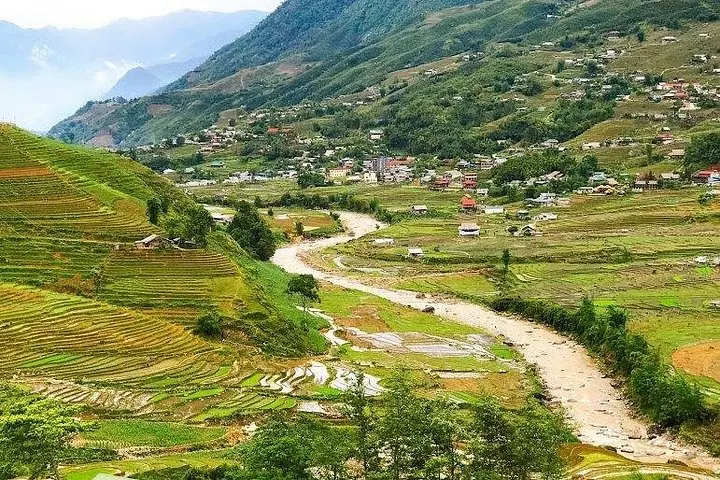
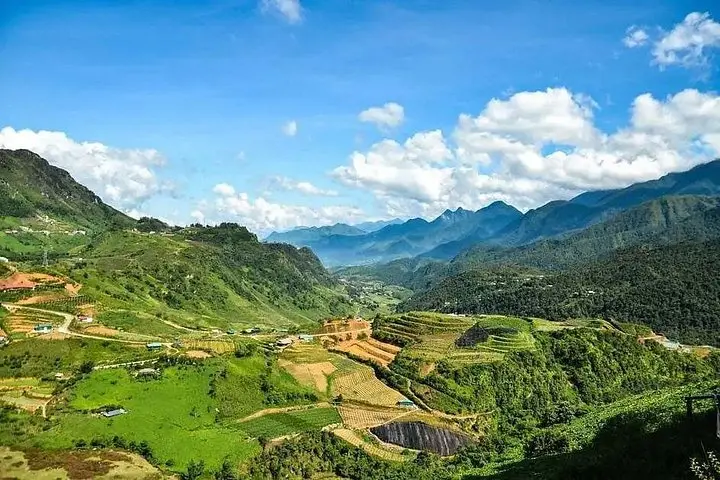
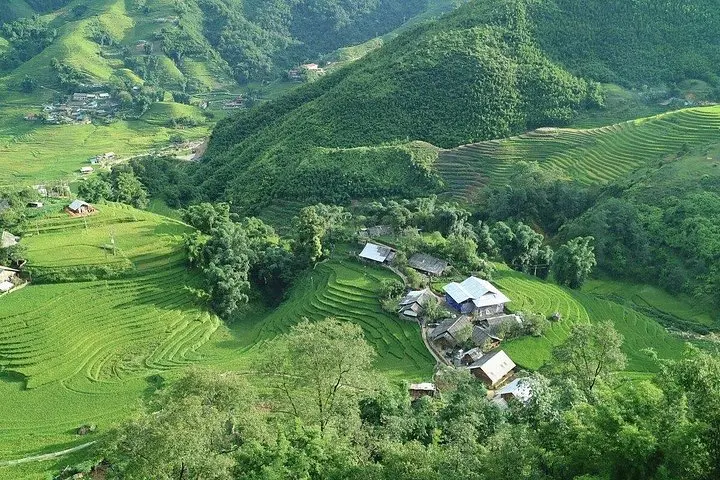
Mist clings to the shoulders of the Hoang Lien Son range as the sleeper bus drops you at Sapa town; wet stone and bright brocades of H’mong women punctuate the air. You step into a valley carved by rivers and rice—Muong Hoa’s terraces tier down like weathered steps toward villages where smoke from homestay kitchens curls into the morning.
Verified experiences and guided adventures in the surrounding area.
Operated by Authentic SAPA · Sapa, Lao Cai
Mist clings to the shoulders of the Hoang Lien Son range as the sleeper bus drops you at Sapa town; wet stone and bright brocades of H’mong women punctuate the air. You step into a valley carved by rivers and rice—Muong Hoa’s terraces tier down like weathered steps toward villages where smoke from homestay kitchens curls into the morning.
This two-day route follows well-trodden mountain tracks: a 9 km descent from Sapa through Y Linh Ho and Lao Chai on day one (roughly 3–4 hours of hiking) and a shorter 4 km walk via bamboo groves to Giang Ta Chai the next morning (about 2 hours). The region’s geology is a product of uplift and erosion—sharp ridgelines of the Hoang Lien massif framing softer valley floors where stepped paddies collect monsoon water. The culture is immediate: Black H’Mong, Red Dao and Tay communities tending terraces and offering homestay hospitality; evenings often include shared meals and a chance to learn simple mountain recipes.
Practical notes: travel time from Hanoi is about 6–7 hours by sleeper bus; Sapa itself sits around 1,500–1,600 m elevation so temperatures swing large between day and night. Trails are a mix of dirt, stone steps and occasional mud—good footwear and a waterproof layer are essential. Carry cash for village purchases, hydrate frequently on climbs, and move at a steady pace to enjoy views without overexerting. Expect basic homestay facilities and a guided local experience that prioritizes cultural exchange over luxury.
The sleeper bus takes about 6–7 hours via the highway; pickup from Hanoi Old Quarter is usually early morning.
You stay one night in a local homestay in Ta Van village—rooms are basic, often shared dorm or private options depending on booking.
Yes, if you have a moderate fitness level; trails are short (9 km then 4 km) with guided support and manageable elevation change.
Yes—breakfast, lunch and dinner are provided as listed; expect simple, home-cooked Vietnamese dishes with local ingredients.
Authentic SAPA operates guided outdoor trips and adventures with an emphasis on safety, stewardship, and memorable experiences.

Mist clings to the shoulders of the Hoang Lien Son range as the sleeper bus drops you at Sapa town; wet stone and bright brocades of H’mong women punctuate the air. You step into a valley carved by rivers and rice—Muong Hoa’s terraces tier down like weathered steps toward villages where smoke from homestay kitchens curls into the morning.
Mist clings to the shoulders of the Hoang Lien Son range as the sleeper bus drops you at Sapa town; wet stone and bright brocades of H’mong women punctuate the air. You step into a valley carved by rivers and rice—Muong Hoa’s terraces tier down like weathered steps toward villages where smoke from homestay kitchens curls into the morning.
This two-day route follows well-trodden mountain tracks: a 9 km descent from Sapa through Y Linh Ho and Lao Chai on day one (roughly 3–4 hours of hiking) and a shorter 4 km walk via bamboo groves to Giang Ta Chai the next morning (about 2 hours). The region’s geology is a product of uplift and erosion—sharp ridgelines of the Hoang Lien massif framing softer valley floors where stepped paddies collect monsoon water. The culture is immediate: Black H’Mong, Red Dao and Tay communities tending terraces and offering homestay hospitality; evenings often include shared meals and a chance to learn simple mountain recipes.
Practical notes: travel time from Hanoi is about 6–7 hours by sleeper bus; Sapa itself sits around 1,500–1,600 m elevation so temperatures swing large between day and night. Trails are a mix of dirt, stone steps and occasional mud—good footwear and a waterproof layer are essential. Carry cash for village purchases, hydrate frequently on climbs, and move at a steady pace to enjoy views without overexerting. Expect basic homestay facilities and a guided local experience that prioritizes cultural exchange over luxury.