THE ADVENTURE COLLECTIVE® · Independent discovery and booking for outdoor travel

A short, scenic walk from Sapa Town, the Cat Cat Village tour delivers terraced rice fields, a lively Hmong craft scene and a compact waterfall-lined valley. Perfect for travelers wanting cultural contact without a multi-day trek.
A short, scenic walk from Sapa Town, the Cat Cat Village tour delivers terraced rice fields, a lively Hmong craft scene and a compact waterfall-lined valley. Perfect for travelers wanting cultural contact without a multi-day trek.
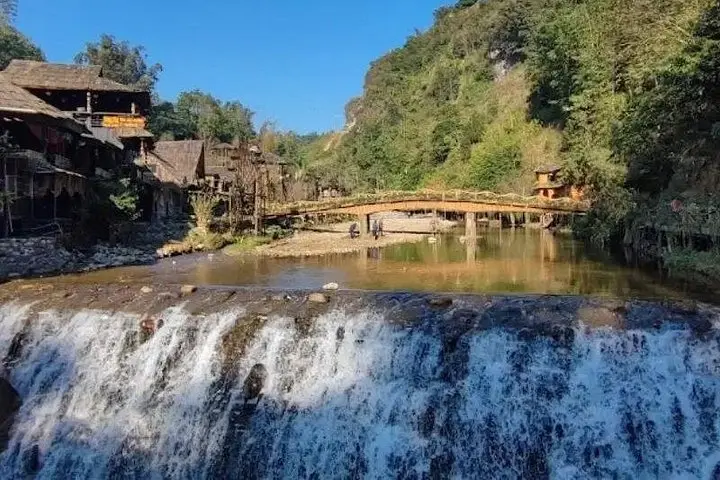
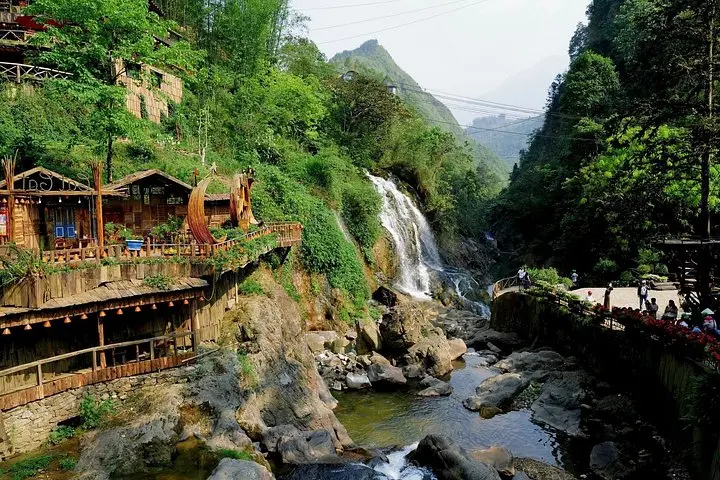
You step off the narrow lane from Sapa Town and the valley takes over—terraced rice paddies stepping down like green stairs, a ribbon of stream daring you toward a cluster of slate roofs and wooden stilt houses. The trail drops gently into Muong Hoa Valley, passing waterwheels and a small suspension bridge before the hush of Tien Sa Waterfall.
Verified experiences and guided adventures in the surrounding area.
Operated by Authentic HALONG · Sapa, Lào Cai
You step off the narrow lane from Sapa Town and the valley takes over—terraced rice paddies stepping down like green stairs, a ribbon of stream daring you toward a cluster of slate roofs and wooden stilt houses. The trail drops gently into Muong Hoa Valley, passing waterwheels and a small suspension bridge before the hush of Tien Sa Waterfall.
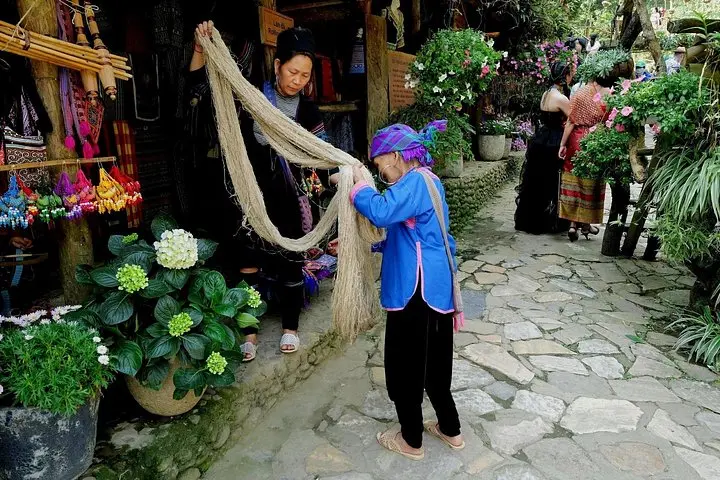
Cat Cat Village sits at the foot of Fansipan, formed by uplifted limestone and metamorphic bedrock that carve steep ridges and narrow gullies across northern Vietnam. The Black Hmong community here has farmed the slopes for generations; you’ll see traditional indigo-dyed textiles, silverwork and hand looms in family-run workshops and learn about seasonal rice cycles that still dictate village life.
The walk itself is short—roughly 2–3 km from Sapa town each way—on uneven stone steps, dirt tracks and small footbridges. Expect about 200–350 m of net elevation change as you descend into the valley and climb back. Photography hotspots include the wooden suspension bridge, the waterwheels and the viewpoint above the waterfall.
Practical notes: the tour typically runs 3–3.5 hours with hotel pickup in Sapa town, and entrance is usually included. Wear grip-soled shoes for wet stone steps, carry a lightweight rain jacket in the monsoon months, and bring small-denomination cash for handicrafts and refreshments. Start in the morning to avoid afternoon crowds and lingering rain; always ask before photographing people, and support workshops by buying directly when possible.
Yes—this tour commonly includes the village entrance fee; confirm at booking but most itineraries list admission as included.
The walk is about 2–3 km one-way from Sapa Town and the full experience, including exploration and return, is roughly 3–3.5 hours.
Yes; the route is classified easy, but there are stairs and some uneven paths—bring assistance for anyone with limited mobility.
Dry months (March–May and September–November) offer clearer views and firmer trails; mornings are best to avoid crowds and afternoon rain.
Authentic HALONG operates guided outdoor trips and adventures with an emphasis on safety, stewardship, and memorable experiences.
You step off the narrow lane from Sapa Town and the valley takes over—terraced rice paddies stepping down like green stairs, a ribbon of stream daring you toward a cluster of slate roofs and wooden stilt houses. The trail drops gently into Muong Hoa Valley, passing waterwheels and a small suspension bridge before the hush of Tien Sa Waterfall.
You step off the narrow lane from Sapa Town and the valley takes over—terraced rice paddies stepping down like green stairs, a ribbon of stream daring you toward a cluster of slate roofs and wooden stilt houses. The trail drops gently into Muong Hoa Valley, passing waterwheels and a small suspension bridge before the hush of Tien Sa Waterfall.
Cat Cat Village sits at the foot of Fansipan, formed by uplifted limestone and metamorphic bedrock that carve steep ridges and narrow gullies across northern Vietnam. The Black Hmong community here has farmed the slopes for generations; you’ll see traditional indigo-dyed textiles, silverwork and hand looms in family-run workshops and learn about seasonal rice cycles that still dictate village life.
The walk itself is short—roughly 2–3 km from Sapa town each way—on uneven stone steps, dirt tracks and small footbridges. Expect about 200–350 m of net elevation change as you descend into the valley and climb back. Photography hotspots include the wooden suspension bridge, the waterwheels and the viewpoint above the waterfall.
Practical notes: the tour typically runs 3–3.5 hours with hotel pickup in Sapa town, and entrance is usually included. Wear grip-soled shoes for wet stone steps, carry a lightweight rain jacket in the monsoon months, and bring small-denomination cash for handicrafts and refreshments. Start in the morning to avoid afternoon crowds and lingering rain; always ask before photographing people, and support workshops by buying directly when possible.