THE ADVENTURE COLLECTIVE® · Independent discovery and booking for outdoor travel

Trace rice terraces and mountain trails on a full-day trek from Sapa to Sa Seng, Hang Da and Hau Thao villages. This route combines panoramic Muong Hoa valley views, H’Mong cultural visits, and a visit to the Ancient Rock Field.
Trace rice terraces and mountain trails on a full-day trek from Sapa to Sa Seng, Hang Da and Hau Thao villages. This route combines panoramic Muong Hoa valley views, H’Mong cultural visits, and a visit to the Ancient Rock Field.
The trail peels away from Sapa’s compact market streets and climbs into terraces that stack like geological pages of the Hoang Lien Range. Morning mist lifts from the Muong Hoa valley and reveals stone houses and stepped paddies, while the distant silhouette of Fansipan watches the route ahead.
Verified experiences and guided adventures in the surrounding area.
Operated by Trekking SaPa Chu · Sapa, Lao Cai
The trail peels away from Sapa’s compact market streets and climbs into terraces that stack like geological pages of the Hoang Lien Range. Morning mist lifts from the Muong Hoa valley and reveals stone houses and stepped paddies, while the distant silhouette of Fansipan watches the route ahead.
This one-day trek links three villages—Sa Seng, Hang Da (about 1,800 m), and Hau Thao—each holding strands of H’Mong life: indigo garments, stilted wooden houses, and small-scale rice production cut into steep slopes. Geologically the region is a fold of ancient metamorphic rock; erosion and human terraces have shaped a landscape of sharp ridgelines and broad valley bowls. Hau Thao’s Ancient Rock Field adds an archaeological note—a collection of weathered boulders and carved stones that hint at long-use by local communities.
Guides are typically local and bilingual, and the route favors trails and farmer tracks rather than vehicle roads, so expect uneven dirt, loose stones, and short technical pitches. Cultural encounters are direct: visits to family homes, demonstrations of weaving, and a village lunch featuring regional staples.
Practical guidance: start early to avoid afternoon showers, wear grippy hiking shoes, and bring 1–1.5 L water plus snacks—the operator provides lunch and one large bottle. Load-bearing daypacks are best; poles help on descents. Respect private spaces in villages, ask before photographing people, and keep to trails to limit erosion. The itinerary returns to Sapa in the evening, giving a full, tangible day of mountain terrain and living culture.
Moderate fitness is required: expect several hours of steady walking with short steep sections; regular walkers will find the pace manageable.
Lunch in Hang Da is included along with one large bottle of water; bring additional snacks and refillable water if you prefer more hydration.
Yes—guides are typically local H’Mong or Dao guides with conversational English and strong knowledge of village life and trails.
Weather can change rapidly; tours generally proceed unless unsafe. Bring a rain jacket and check the operator's cancellation policy for refunds at least 24 hours prior.
Trekking SaPa Chu operates guided outdoor trips and adventures with an emphasis on safety, stewardship, and memorable experiences.
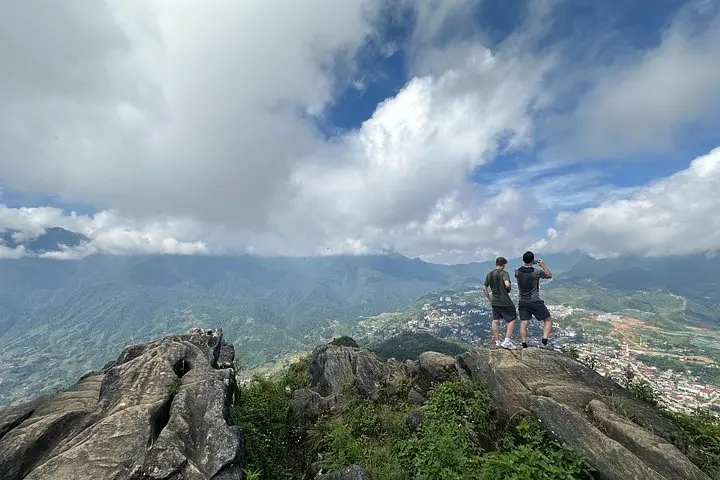
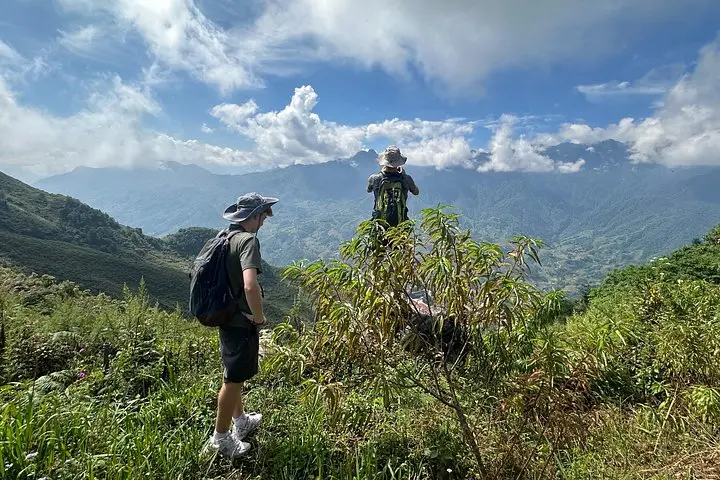
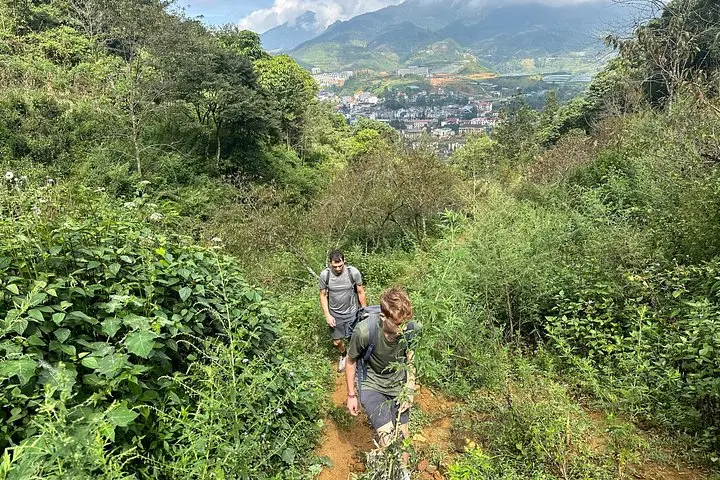
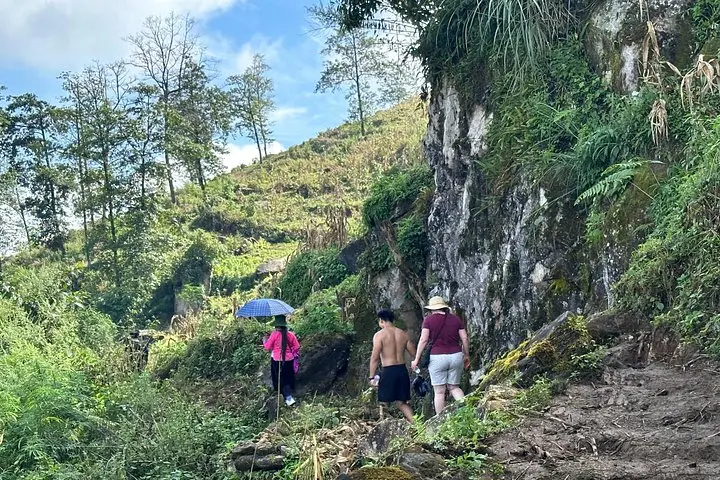
The trail peels away from Sapa’s compact market streets and climbs into terraces that stack like geological pages of the Hoang Lien Range. Morning mist lifts from the Muong Hoa valley and reveals stone houses and stepped paddies, while the distant silhouette of Fansipan watches the route ahead.
The trail peels away from Sapa’s compact market streets and climbs into terraces that stack like geological pages of the Hoang Lien Range. Morning mist lifts from the Muong Hoa valley and reveals stone houses and stepped paddies, while the distant silhouette of Fansipan watches the route ahead.
This one-day trek links three villages—Sa Seng, Hang Da (about 1,800 m), and Hau Thao—each holding strands of H’Mong life: indigo garments, stilted wooden houses, and small-scale rice production cut into steep slopes. Geologically the region is a fold of ancient metamorphic rock; erosion and human terraces have shaped a landscape of sharp ridgelines and broad valley bowls. Hau Thao’s Ancient Rock Field adds an archaeological note—a collection of weathered boulders and carved stones that hint at long-use by local communities.
Guides are typically local and bilingual, and the route favors trails and farmer tracks rather than vehicle roads, so expect uneven dirt, loose stones, and short technical pitches. Cultural encounters are direct: visits to family homes, demonstrations of weaving, and a village lunch featuring regional staples.
Practical guidance: start early to avoid afternoon showers, wear grippy hiking shoes, and bring 1–1.5 L water plus snacks—the operator provides lunch and one large bottle. Load-bearing daypacks are best; poles help on descents. Respect private spaces in villages, ask before photographing people, and keep to trails to limit erosion. The itinerary returns to Sapa in the evening, giving a full, tangible day of mountain terrain and living culture.