THE ADVENTURE COLLECTIVE® · Independent discovery and booking for outdoor travel

This private six-hour trek from Sa Pa links a ridge-top Fansipan viewpoint with working Hmong villages and the rice terraces of Muong Hoa. Expect mixed trails, cultural stops, and close-up views of daily life in northern Vietnam.
This private six-hour trek from Sa Pa links a ridge-top Fansipan viewpoint with working Hmong villages and the rice terraces of Muong Hoa. Expect mixed trails, cultural stops, and close-up views of daily life in northern Vietnam.
Fog lifts off the valley like a hand being pulled away, and the trail opens onto a low ridge where Fansipan watches over the valley at 3,143 m.
Verified experiences and guided adventures in the surrounding area.
Operated by Authentic HALONG · Sa Pa, Lao Cai
Fog lifts off the valley like a hand being pulled away, and the trail opens onto a low ridge where Fansipan watches over the valley at 3,143 m.
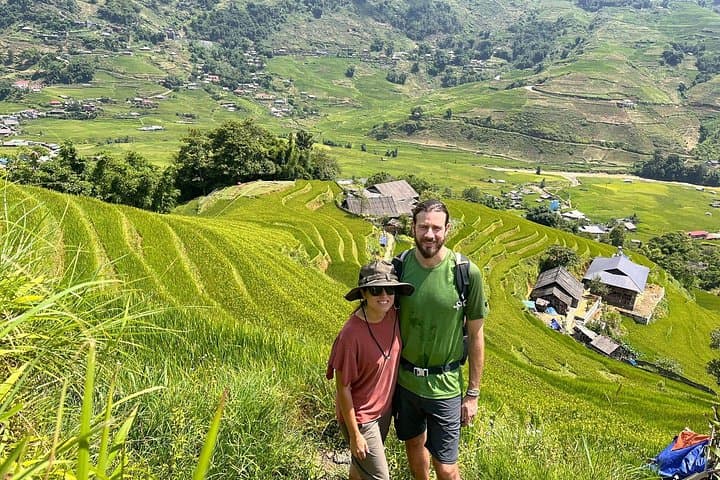
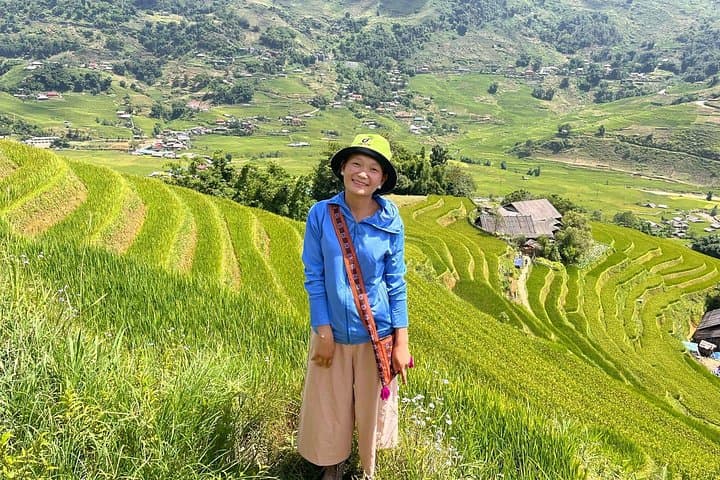
On this six-hour private trek from Sapa, hikers move between compact mountain trails, rice terraces and small village lanes—short uphill sections that reward with sweeping Muong Hoa views, and steady descents past stacked stone walls and buffalo tracks. The route takes you 1 km up to a viewpoint that frames Fansipan and the broad Muong Hoa Valley before descending to Ham Da and Hau Thao, two Black Hmong villages where daily life unfolds on terraces and along irrigation channels.
The region’s character is a product of geology and history: weathered limestone and shale carve steep valley walls while colonial-era Sapa remains a gateway town. The Hmong minority maintain distinct house-building techniques and marriage rituals; guides often explain how split bamboo, local timber and terraced paddies shape household economies.
Expect mixed terrain—packed dirt, roots and occasional loose scree—with a handful of short, steeper pitches rather than sustained alpine climbs. The cultural moments can be quiet and observational: respectful questions, small purchases, and the option of a family-run lunch or tea.
Practical guidance: start after breakfast to avoid midday clouds, bring layered rain protection, and carry at least 1–1.5 liters of water. Wear grippy hiking shoes for wet terraces and pack small bills for village purchases. The trail is accessible to hikers with moderate fitness and rewards steady walkers with close encounters of mountain life and grand valley vistas.
The tour is about six hours total with a relaxed, private-group pace—short uphill to a viewpoint, then steady descent through villages and terraces.
Lunch at a local family-run restaurant is included, but drinks at restaurants and homestays are typically not covered.
Participants should have moderate fitness; short steep sections may challenge very young children or those with mobility issues—consult the operator if in doubt.
Yes—stops in Ham Da and Hau Thao include cultural explanations and opportunities to observe or respectfully interact with locals; photography etiquette should be followed.
Authentic HALONG operates guided outdoor trips and adventures with an emphasis on safety, stewardship, and memorable experiences.


Fog lifts off the valley like a hand being pulled away, and the trail opens onto a low ridge where Fansipan watches over the valley at 3,143 m.
Fog lifts off the valley like a hand being pulled away, and the trail opens onto a low ridge where Fansipan watches over the valley at 3,143 m.
On this six-hour private trek from Sapa, hikers move between compact mountain trails, rice terraces and small village lanes—short uphill sections that reward with sweeping Muong Hoa views, and steady descents past stacked stone walls and buffalo tracks. The route takes you 1 km up to a viewpoint that frames Fansipan and the broad Muong Hoa Valley before descending to Ham Da and Hau Thao, two Black Hmong villages where daily life unfolds on terraces and along irrigation channels.
The region’s character is a product of geology and history: weathered limestone and shale carve steep valley walls while colonial-era Sapa remains a gateway town. The Hmong minority maintain distinct house-building techniques and marriage rituals; guides often explain how split bamboo, local timber and terraced paddies shape household economies.
Expect mixed terrain—packed dirt, roots and occasional loose scree—with a handful of short, steeper pitches rather than sustained alpine climbs. The cultural moments can be quiet and observational: respectful questions, small purchases, and the option of a family-run lunch or tea.
Practical guidance: start after breakfast to avoid midday clouds, bring layered rain protection, and carry at least 1–1.5 liters of water. Wear grippy hiking shoes for wet terraces and pack small bills for village purchases. The trail is accessible to hikers with moderate fitness and rewards steady walkers with close encounters of mountain life and grand valley vistas.