THE ADVENTURE COLLECTIVE® · Independent discovery and booking for outdoor travel

A single-day trek from Sapa up to Dragon Jaw Mountain and down through Muong Hoa Valley, mixing ridge-top panoramas with visits to H'Mong and Dao villages. Ideal for hikers seeking dramatic views, terrace landscapes, and close cultural encounters in one day.
A single-day trek from Sapa up to Dragon Jaw Mountain and down through Muong Hoa Valley, mixing ridge-top panoramas with visits to H'Mong and Dao villages. Ideal for hikers seeking dramatic views, terrace landscapes, and close cultural encounters in one day.
Dawn breaks over steep, planted terraces and a cool mist clings to the ridgelines as you leave Sapa town for a day on higher ground.
Verified experiences and guided adventures in the surrounding area.
Operated by Sapa Odyssey Tour · Sapa, Lao Cai
Dawn breaks over steep, planted terraces and a cool mist clings to the ridgelines as you leave Sapa town for a day on higher ground.
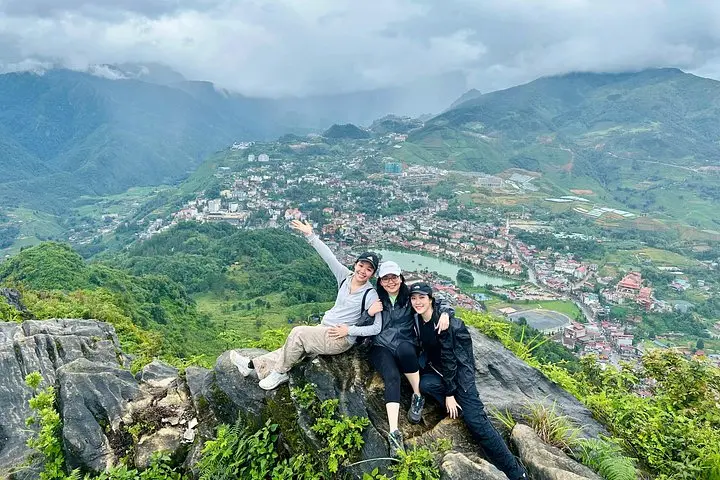
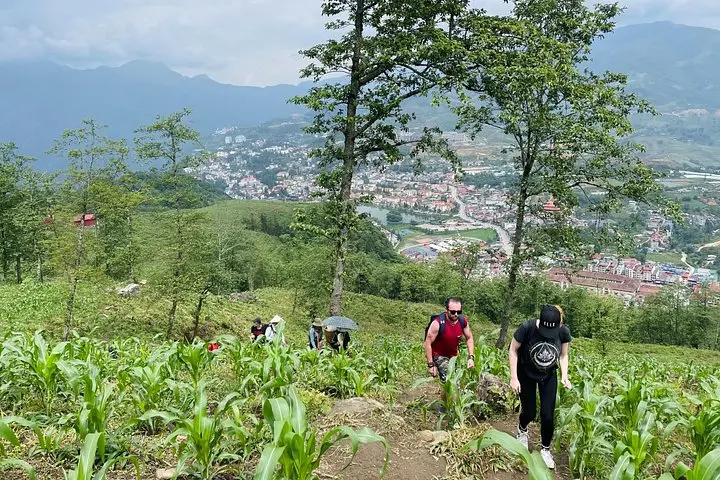
The trail climbs through small corn plots and bamboo copses up to Dragon Jaw Mountain (≈1,900–1,970 m), where the valley opens and Muong Hoa spreads below like a working map of rice. Fansipan, Indochina’s roof, punctures the skyline when the clouds shift; the mountain air seems to push you forward and the terraces fold and breathe beneath your feet.
This route threads together H'Mong and Red Dao villages—Hang Da, Hau Chu Ngai and Giang Ta Chai—places shaped by centuries of upland wet-rice farming and cross-border trade with Yunnan. The geology is old schist and soil-rich colluvium that allowed the human-made terraces; culturally the area retains distinct dress, embroidery and house styles maintained through seasonal cycles and market exchanges.
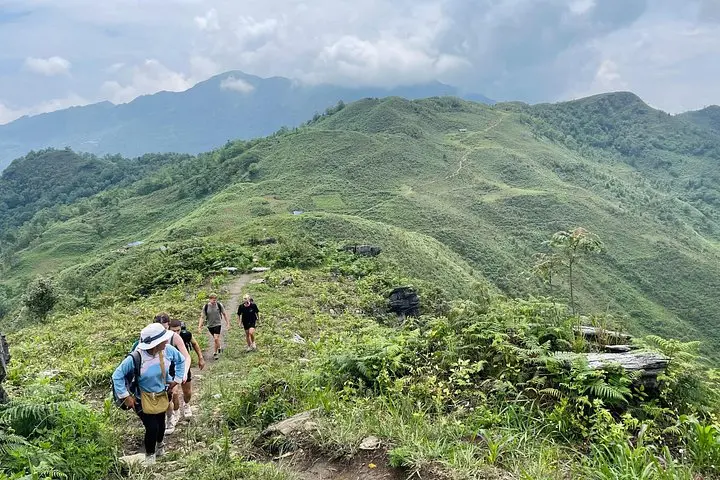
Expect narrow dirt trails, short bamboo forest sections, and steady ascents and descents over 5–6 hours. A local guide interprets the small museum in Giang Ta Chai, explains terrace irrigation and arranges lunch in a village home. Bring layered clothing for quick weather swings, waterproof footwear for slick steps, and cash for small purchases.
The day finishes with a gentle descent into the valley and a shuttle back to Sapa. This is a cultural-hiking day—equal parts views, village life and ridge-top walking—best for hikers with moderate fitness who want a concentrated taste of northern Vietnam’s mountains.
The tour runs about 5–6 hours on mixed terrain with steady climbs to ~1,900 m then descents; it’s rated moderate and requires basic hiking fitness.
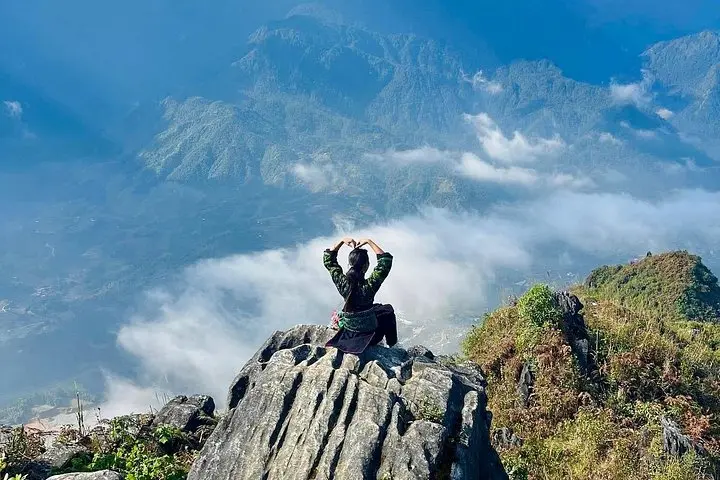
Fansipan is visible on clear days from Dragon Jaw; the sea of clouds can occur in cooler mornings but is weather-dependent.
Lunch and bottled water are included; bring extra snacks if you have specific dietary needs.
The itinerary includes transportation back to Sapa town or your hotel after the final village visit.
Sapa Odyssey Tour operates guided outdoor trips and adventures with an emphasis on safety, stewardship, and memorable experiences.
Dawn breaks over steep, planted terraces and a cool mist clings to the ridgelines as you leave Sapa town for a day on higher ground.
Dawn breaks over steep, planted terraces and a cool mist clings to the ridgelines as you leave Sapa town for a day on higher ground.
The trail climbs through small corn plots and bamboo copses up to Dragon Jaw Mountain (≈1,900–1,970 m), where the valley opens and Muong Hoa spreads below like a working map of rice. Fansipan, Indochina’s roof, punctures the skyline when the clouds shift; the mountain air seems to push you forward and the terraces fold and breathe beneath your feet.
This route threads together H'Mong and Red Dao villages—Hang Da, Hau Chu Ngai and Giang Ta Chai—places shaped by centuries of upland wet-rice farming and cross-border trade with Yunnan. The geology is old schist and soil-rich colluvium that allowed the human-made terraces; culturally the area retains distinct dress, embroidery and house styles maintained through seasonal cycles and market exchanges.
Expect narrow dirt trails, short bamboo forest sections, and steady ascents and descents over 5–6 hours. A local guide interprets the small museum in Giang Ta Chai, explains terrace irrigation and arranges lunch in a village home. Bring layered clothing for quick weather swings, waterproof footwear for slick steps, and cash for small purchases.
The day finishes with a gentle descent into the valley and a shuttle back to Sapa. This is a cultural-hiking day—equal parts views, village life and ridge-top walking—best for hikers with moderate fitness who want a concentrated taste of northern Vietnam’s mountains.