THE ADVENTURE COLLECTIVE® · Independent discovery and booking for outdoor travel

Swap Hanoi’s traffic for terraced rice fields and homestay hospitality on a two-day Sapa trek. Walk 9 km into Ta Van, stay with a local family, then explore Red Dao villages before returning to Hanoi.
Swap Hanoi’s traffic for terraced rice fields and homestay hospitality on a two-day Sapa trek. Walk 9 km into Ta Van, stay with a local family, then explore Red Dao villages before returning to Hanoi.
Mist hangs low over Muong Hoa valley as the sleeper bus eases into Sapa’s mountain air — cool, thin and scented with wet earth. On this two-day route, travelers trade Hanoi’s bustle for terraced rice fields, footpaths between ethnic villages and one night in a Ta Van homestay, where wood floors and family meals are as much a part of the itinerary as the views.
Verified experiences and guided adventures in the surrounding area.
Operated by Elegance Tourist · Sapa, Lào Cai
Mist hangs low over Muong Hoa valley as the sleeper bus eases into Sapa’s mountain air — cool, thin and scented with wet earth. On this two-day route, travelers trade Hanoi’s bustle for terraced rice fields, footpaths between ethnic villages and one night in a Ta Van homestay, where wood floors and family meals are as much a part of the itinerary as the views.
The trip combines a roughly 5–7 hour transfer from Hanoi with two purposeful hikes: an afternoon walk of about 9 km from Sapa through Y Linh Ho and Lao Chai into Ta Van, then an 8 km morning loop to Giang Ta Chai and nearby Red Dao villages on day two. Trails sit around 1,500–1,600 m elevation and follow valley floors and gentle ridgelines, with intermittent short climbs that add a few hundred meters of elevation gain overall.
Geology here is folded metamorphic rock shaped by Hoàng Liên Sơn uplift; terraces cut into those slopes tell a living agricultural history. Culturally, the route highlights Hmong and Red Dao communities — expect woven textiles, terraced farming techniques and small village markets.
Practically, plan for variable weather: drizzle and fog are common; trails can be muddy after rain. Homestay lodging is basic but comfortable; meals showcase mountain ingredients. Bring layered clothing, sturdy shoes, a daypack and modesty for village visits.
This is a moderate, socially rich trek suitable for travelers who want cultural encounters paired with accessible trail miles, and who value homestay hospitality over boutique comforts.
Expect about 5–7 hours by sleeper/tourist bus depending on traffic and stops; the itinerary typically departs early morning and arrives midday.
Homestays are family-run with basic amenities—shared bathrooms, simple bedding and home-cooked meals; they are generally clean and welcoming but not hotel-standard.
With moderate fitness, older teens and active older adults can manage the walks, but the program is not recommended for infants or those with serious cardiovascular issues.
The tour includes an English-speaking local guide; guides provide navigation, cultural interpretation and liaise with homestays—recommended for first-time visitors.
Elegance Tourist operates guided outdoor trips and adventures with an emphasis on safety, stewardship, and memorable experiences.
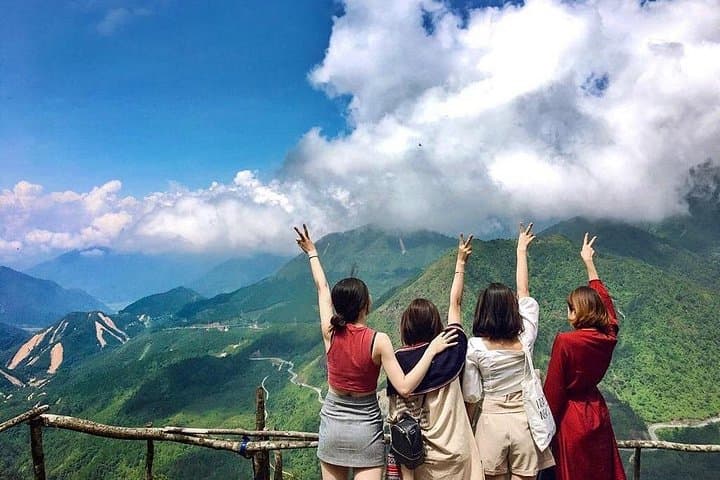

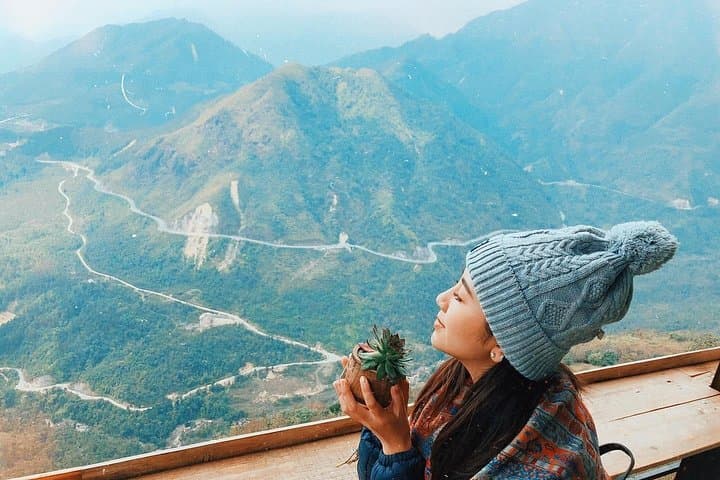
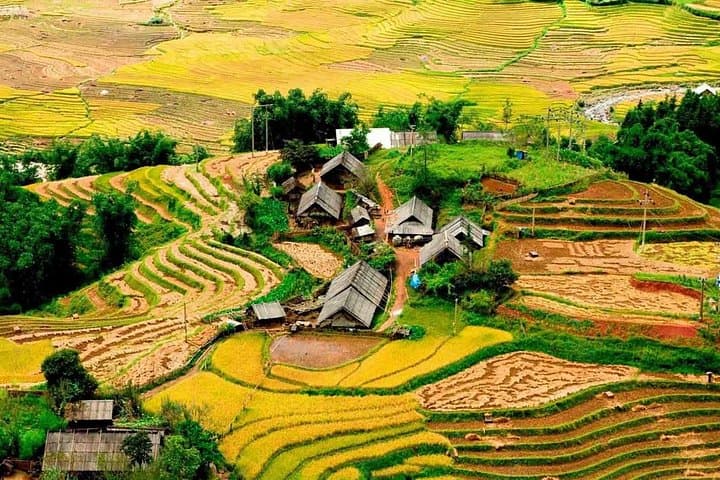
Mist hangs low over Muong Hoa valley as the sleeper bus eases into Sapa’s mountain air — cool, thin and scented with wet earth. On this two-day route, travelers trade Hanoi’s bustle for terraced rice fields, footpaths between ethnic villages and one night in a Ta Van homestay, where wood floors and family meals are as much a part of the itinerary as the views.
Mist hangs low over Muong Hoa valley as the sleeper bus eases into Sapa’s mountain air — cool, thin and scented with wet earth. On this two-day route, travelers trade Hanoi’s bustle for terraced rice fields, footpaths between ethnic villages and one night in a Ta Van homestay, where wood floors and family meals are as much a part of the itinerary as the views.
The trip combines a roughly 5–7 hour transfer from Hanoi with two purposeful hikes: an afternoon walk of about 9 km from Sapa through Y Linh Ho and Lao Chai into Ta Van, then an 8 km morning loop to Giang Ta Chai and nearby Red Dao villages on day two. Trails sit around 1,500–1,600 m elevation and follow valley floors and gentle ridgelines, with intermittent short climbs that add a few hundred meters of elevation gain overall.
Geology here is folded metamorphic rock shaped by Hoàng Liên Sơn uplift; terraces cut into those slopes tell a living agricultural history. Culturally, the route highlights Hmong and Red Dao communities — expect woven textiles, terraced farming techniques and small village markets.
Practically, plan for variable weather: drizzle and fog are common; trails can be muddy after rain. Homestay lodging is basic but comfortable; meals showcase mountain ingredients. Bring layered clothing, sturdy shoes, a daypack and modesty for village visits.
This is a moderate, socially rich trek suitable for travelers who want cultural encounters paired with accessible trail miles, and who value homestay hospitality over boutique comforts.