THE ADVENTURE COLLECTIVE® · Independent discovery and booking for outdoor travel

A full-day trek from Sapa that pairs panoramic viewpoints over the Muong Hoa Valley with visits to Hmong villages and rice terraces. Expect steep trails, cultural encounters, and ever-changing mountain weather.
A full-day trek from Sapa that pairs panoramic viewpoints over the Muong Hoa Valley with visits to Hmong villages and rice terraces. Expect steep trails, cultural encounters, and ever-changing mountain weather.
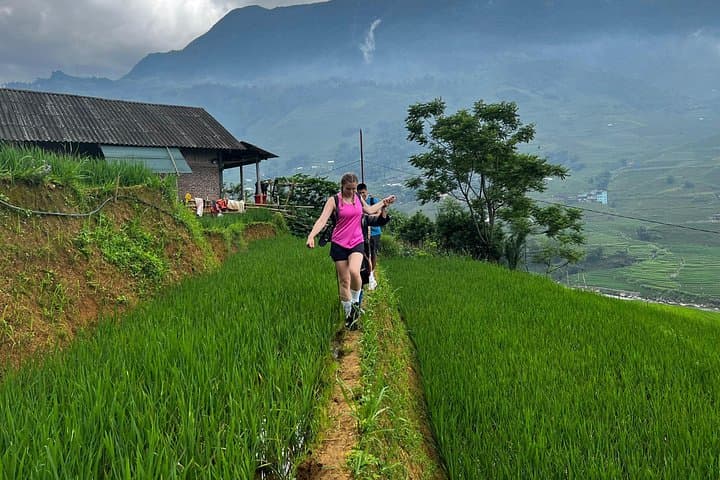
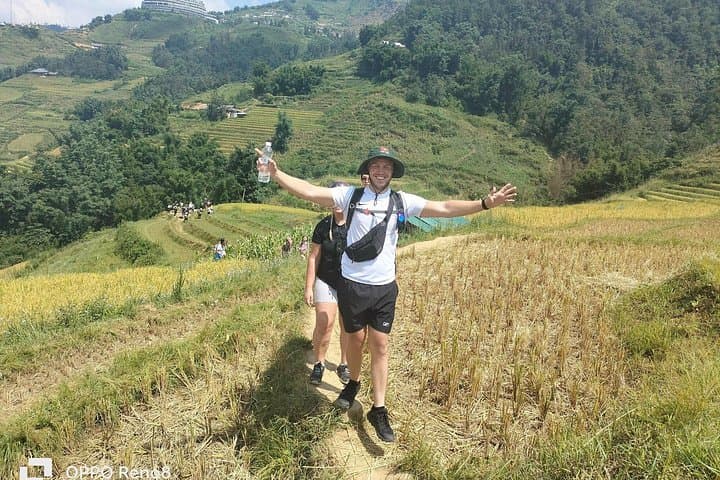
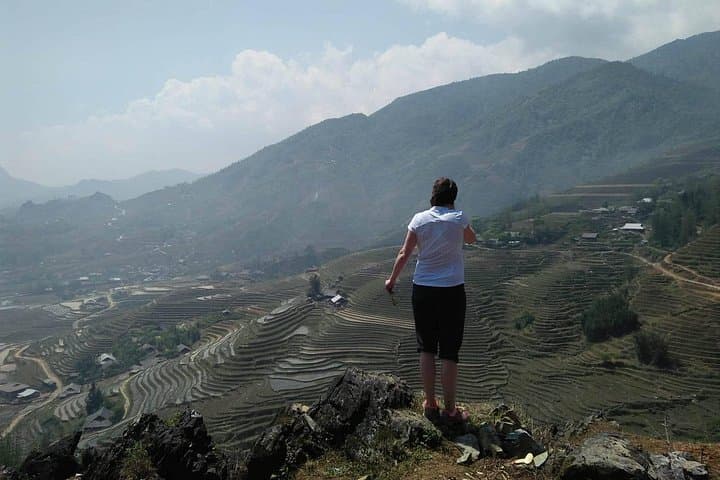
You begin before breakfast in cool mountain air, stepping out of Sapa town into a landscape where terraces climb like steps carved into the sky. The trail gains and eases—rocky switchbacks that open into sweeping views of the Muong Hoa Valley and distant Fansipan, often framed by drifting mist.
Verified experiences and guided adventures in the surrounding area.
Operated by Vietnam Nomad Trails · Sapa, Lào Cai
You begin before breakfast in cool mountain air, stepping out of Sapa town into a landscape where terraces climb like steps carved into the sky. The trail gains and eases—rocky switchbacks that open into sweeping views of the Muong Hoa Valley and distant Fansipan, often framed by drifting mist.
This one-day trek threads together Hmong villages, tea houses, and rice fields. The Hmong are known for indigo-dyed textiles and intricate embroidery; villagers still hand-weave and welcome visitors to learn about their techniques and domestic life. Geologically the Hoàng Liên Son range is young and steep—granite outcrops and narrow gullies channel monsoon runoff to create seasonal waterfalls you’ll hear before you see.
Expect a mix of dirt tracks and stone steps, short ascents to viewpoints, then a longer descent toward Hau Thao Village. Local culture is visible in every doorway: stacked firewood, wooden shutters, and terraces irrigated by bamboo channels. A midday stop at a local eatery replenishes energy with simple rice and mountain greens.
Practical guidance: trails can be slippery after rain and visibility changes quickly—plan for layered clothing and a steady pace. Carry water, small change for purchases, and a camera with a secure strap. The route is suitable for hikers with a moderate fitness base and basic trail experience; guides bridge language and local access, ensuring cultural respect and a steady return to Sapa in the late afternoon, with time to reflect on both landscape and craft.
You should have a moderate fitness level—able to walk 4–6 hours over uneven terrain with some sustained climbs and descents.
Typical inclusions are hotel pickup in Sapa, bottled water, lunch at a local restaurant, and an English-speaking guide; confirm specifics with the operator.
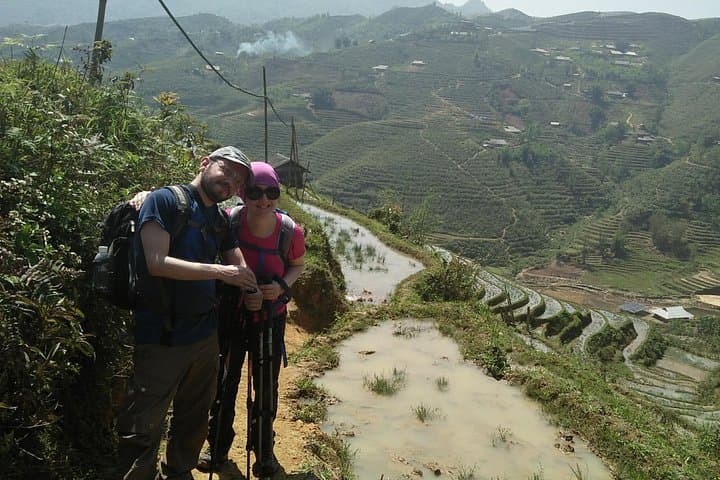
Operators may not provide poles—bring your own or request rental in Sapa in advance if needed.
Always ask permission before photographing people; small interactions and a few words or a smile go a long way in villages.
Vietnam Nomad Trails operates guided outdoor trips and adventures with an emphasis on safety, stewardship, and memorable experiences.
You begin before breakfast in cool mountain air, stepping out of Sapa town into a landscape where terraces climb like steps carved into the sky. The trail gains and eases—rocky switchbacks that open into sweeping views of the Muong Hoa Valley and distant Fansipan, often framed by drifting mist.
You begin before breakfast in cool mountain air, stepping out of Sapa town into a landscape where terraces climb like steps carved into the sky. The trail gains and eases—rocky switchbacks that open into sweeping views of the Muong Hoa Valley and distant Fansipan, often framed by drifting mist.
This one-day trek threads together Hmong villages, tea houses, and rice fields. The Hmong are known for indigo-dyed textiles and intricate embroidery; villagers still hand-weave and welcome visitors to learn about their techniques and domestic life. Geologically the Hoàng Liên Son range is young and steep—granite outcrops and narrow gullies channel monsoon runoff to create seasonal waterfalls you’ll hear before you see.
Expect a mix of dirt tracks and stone steps, short ascents to viewpoints, then a longer descent toward Hau Thao Village. Local culture is visible in every doorway: stacked firewood, wooden shutters, and terraces irrigated by bamboo channels. A midday stop at a local eatery replenishes energy with simple rice and mountain greens.
Practical guidance: trails can be slippery after rain and visibility changes quickly—plan for layered clothing and a steady pace. Carry water, small change for purchases, and a camera with a secure strap. The route is suitable for hikers with a moderate fitness base and basic trail experience; guides bridge language and local access, ensuring cultural respect and a steady return to Sapa in the late afternoon, with time to reflect on both landscape and craft.