THE ADVENTURE COLLECTIVE® · Independent discovery and booking for outdoor travel

Spend two days walking buffalo paths, sleeping in a village homestay, and tracing terraced rice fields below the Hoang Lien peaks. This accessible trek pairs cultural exchange with steady, scenic hiking—ideal for travelers seeking immersive, low-impact mountain travel.
Spend two days walking buffalo paths, sleeping in a village homestay, and tracing terraced rice fields below the Hoang Lien peaks. This accessible trek pairs cultural exchange with steady, scenic hiking—ideal for travelers seeking immersive, low-impact mountain travel.
Dawn in the Hoang Lien Range feels immediate: cold air slices through the steam of a breakfast bowl and terraced rice fields step down the valley like green stairs into mist. On this two-day homestay trek you hike out of Sapa town onto buffalo tracks and narrow trails that thread through Lao Chai and Ta Van, meeting H'mong and Giay families on their way to market and pausing at hand-built stone houses where life moves by livestock and seasons.
Verified experiences and guided adventures in the surrounding area.
Operated by Mr Linh's Adventures · Sapa, Lao Cai
Dawn in the Hoang Lien Range feels immediate: cold air slices through the steam of a breakfast bowl and terraced rice fields step down the valley like green stairs into mist. On this two-day homestay trek you hike out of Sapa town onto buffalo tracks and narrow trails that thread through Lao Chai and Ta Van, meeting H'mong and Giay families on their way to market and pausing at hand-built stone houses where life moves by livestock and seasons.
The landscape is young mountains and carved terraces—granite ridges uplifted by tectonics, shaped by centuries of hand-planted rice. French-era engineering left a faint footprint here: a ruined hydroelectric station sits by Giang Ta Chai waterfall, a reminder of colonial ambitions. Local markets and homestays offer direct cultural exchange—learn basic crafts, hear language fragments, and share evening meals in a communal house.
Practically, expect two days of light-to-moderate trekking: sections of packed dirt, uneven stone steps, and occasional muddy stretches when it rains. Trails rise and fall; elevation change is incremental rather than steep, with typical daily distances of 7–10 km. Wear good traction shoes, carry layers for sudden weather, and bring cash for small purchases in villages.
Plan morning departures to avoid midday clouds, respect homestay rules (ask before photography), and keep water and snacks accessible for the quieter stretches between villages. This trip pairs immersive cultural contact with the kind of slow, ground-level trekking that lets the landscape—and its people—set the pace.
Paths are mostly well-worn and the pace is gentle; beginners in reasonable health can complete the 7–10 km days with breaks.
Typical homestays provide a private or shared room, evening meal, and breakfast; facilities are basic and reflect local standards.
Sapa sits around 1,500 meters—most travelers experience no altitude issues, but bring layers for cooler nights.
Local homestays can often adjust meals with advance notice; communicate allergies or preferences during booking.
Mr Linh's Adventures operates guided outdoor trips and adventures with an emphasis on safety, stewardship, and memorable experiences.
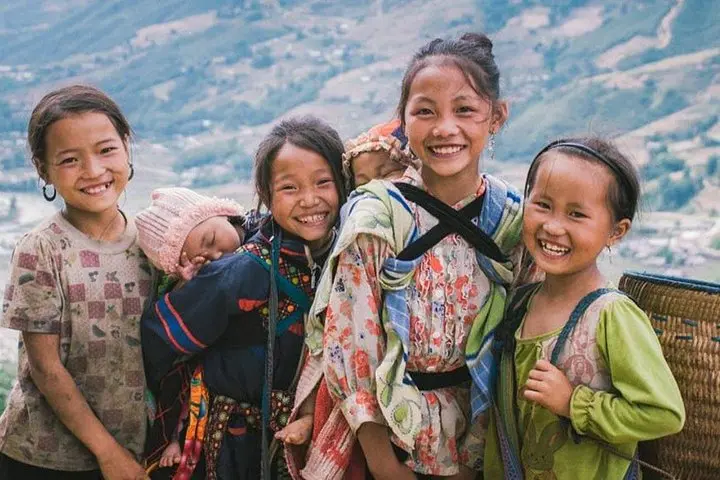
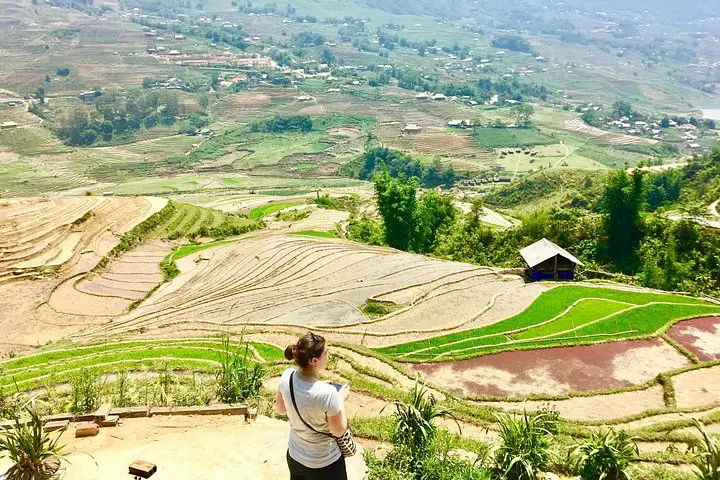
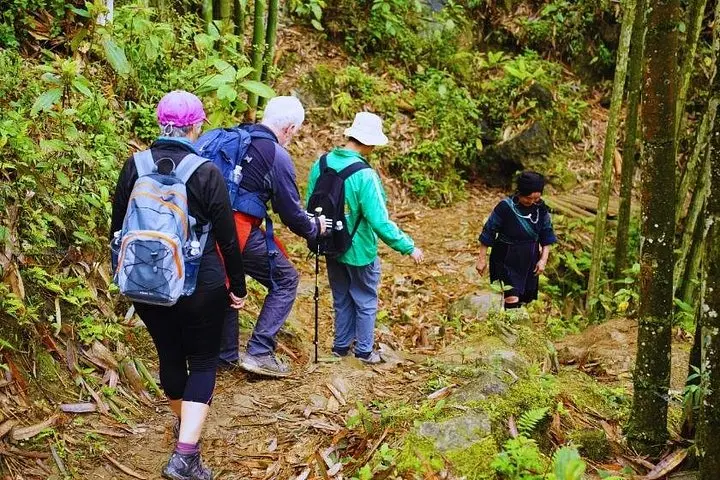
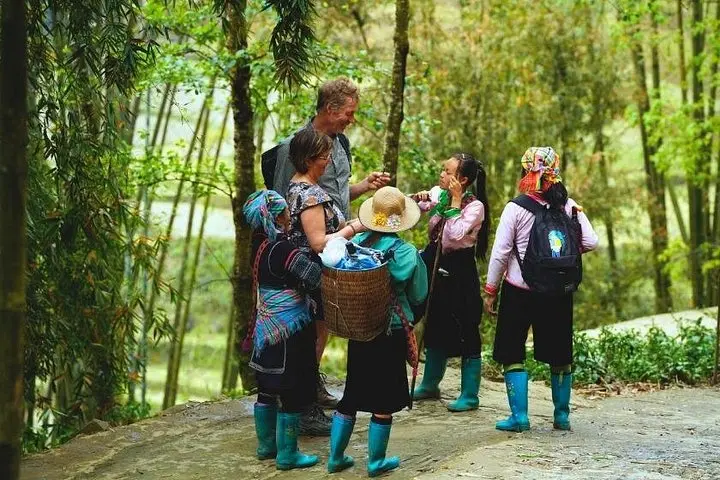
Dawn in the Hoang Lien Range feels immediate: cold air slices through the steam of a breakfast bowl and terraced rice fields step down the valley like green stairs into mist. On this two-day homestay trek you hike out of Sapa town onto buffalo tracks and narrow trails that thread through Lao Chai and Ta Van, meeting H'mong and Giay families on their way to market and pausing at hand-built stone houses where life moves by livestock and seasons.
Dawn in the Hoang Lien Range feels immediate: cold air slices through the steam of a breakfast bowl and terraced rice fields step down the valley like green stairs into mist. On this two-day homestay trek you hike out of Sapa town onto buffalo tracks and narrow trails that thread through Lao Chai and Ta Van, meeting H'mong and Giay families on their way to market and pausing at hand-built stone houses where life moves by livestock and seasons.
The landscape is young mountains and carved terraces—granite ridges uplifted by tectonics, shaped by centuries of hand-planted rice. French-era engineering left a faint footprint here: a ruined hydroelectric station sits by Giang Ta Chai waterfall, a reminder of colonial ambitions. Local markets and homestays offer direct cultural exchange—learn basic crafts, hear language fragments, and share evening meals in a communal house.
Practically, expect two days of light-to-moderate trekking: sections of packed dirt, uneven stone steps, and occasional muddy stretches when it rains. Trails rise and fall; elevation change is incremental rather than steep, with typical daily distances of 7–10 km. Wear good traction shoes, carry layers for sudden weather, and bring cash for small purchases in villages.
Plan morning departures to avoid midday clouds, respect homestay rules (ask before photography), and keep water and snacks accessible for the quieter stretches between villages. This trip pairs immersive cultural contact with the kind of slow, ground-level trekking that lets the landscape—and its people—set the pace.