THE ADVENTURE COLLECTIVE® · Independent discovery and booking for outdoor travel

Ride Sapa’s hidden roads on a two-day motorbike tour that crosses O Quy Ho pass, visits Thac Bac waterfall and stays overnight in a Ta Phin homestay. Expect narrow dirt tracks, dramatic valley views and close encounters with minority village life.
Ride Sapa’s hidden roads on a two-day motorbike tour that crosses O Quy Ho pass, visits Thac Bac waterfall and stays overnight in a Ta Phin homestay. Expect narrow dirt tracks, dramatic valley views and close encounters with minority village life.
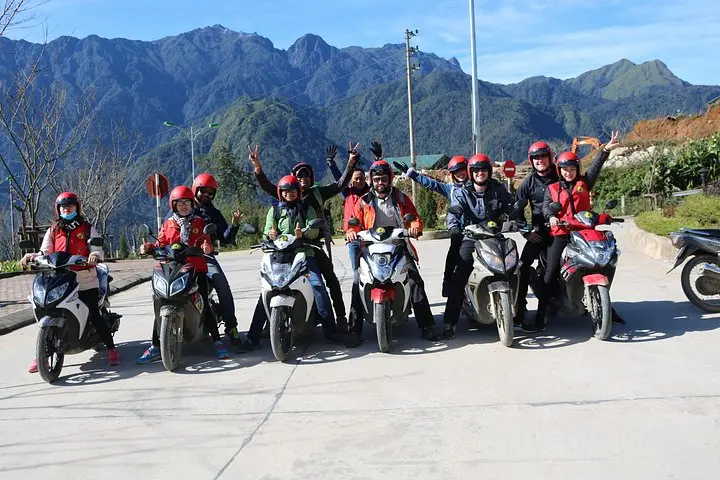
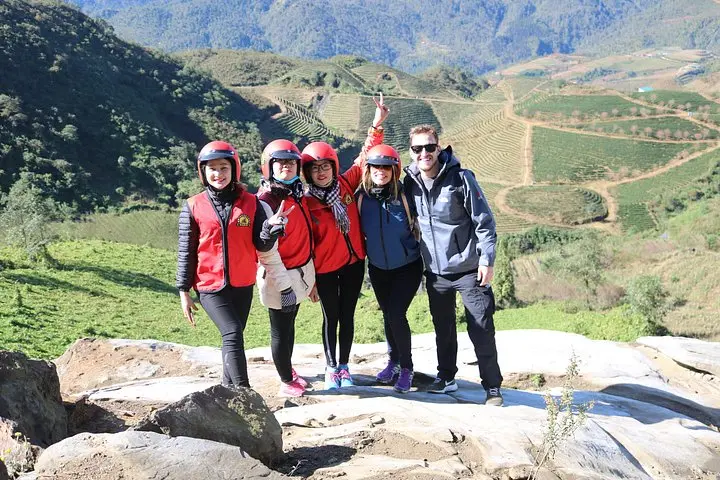
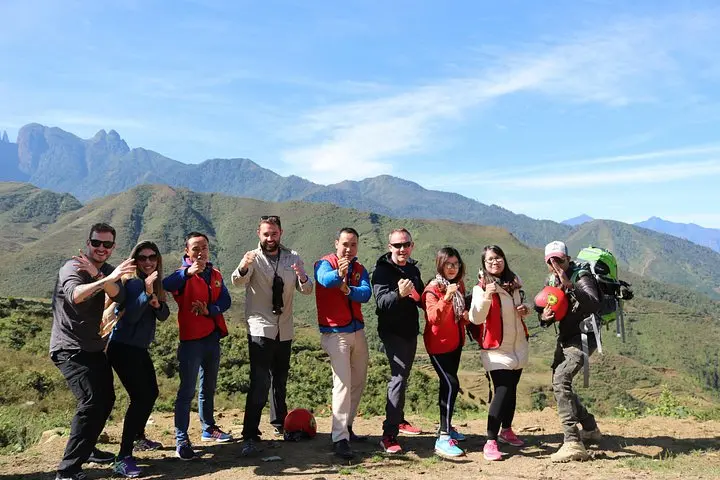
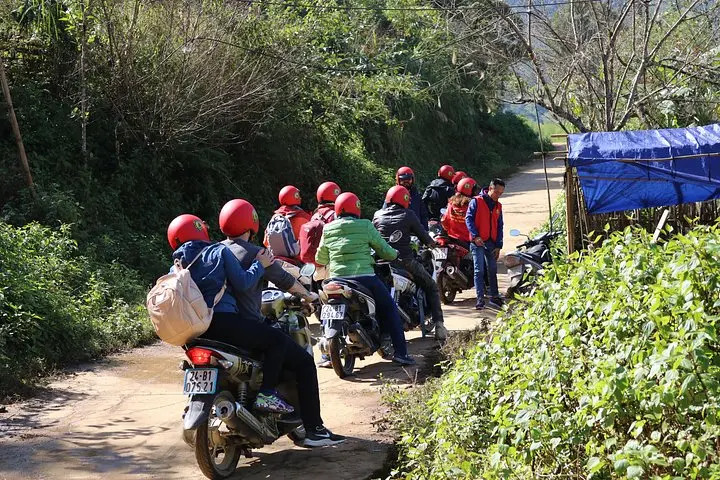
The engine purrs and the road unfurls: wet switchbacks, rice-terrace ribbons and sudden views of Fansipan sliding into the mist. On day one you leave Sapa town on the back of a comfortable “easy rider” motorbike, crossing the O Quy Ho pass, pausing at Thac Bac waterfall, then threading narrow backroads into Ta Giang Phinh and Phinh Ho — villages many travelers never see. You sleep in a local homestay in Ta Phin, wake to roosters and mountain air, then continue through Hang Da, Lao Chai and Ta Van on day two before returning to Sapa.
Verified experiences and guided adventures in the surrounding area.
Operated by Sapa Motorbike Tour · Sapa, Lao Cai
The engine purrs and the road unfurls: wet switchbacks, rice-terrace ribbons and sudden views of Fansipan sliding into the mist. On day one you leave Sapa town on the back of a comfortable “easy rider” motorbike, crossing the O Quy Ho pass, pausing at Thac Bac waterfall, then threading narrow backroads into Ta Giang Phinh and Phinh Ho — villages many travelers never see. You sleep in a local homestay in Ta Phin, wake to roosters and mountain air, then continue through Hang Da, Lao Chai and Ta Van on day two before returning to Sapa.
This route traces geological uplift that carved deep valleys and created the stepped rice paddies; culturally, it’s Hmong, Red Dao and Day territory where textiles, herbal remedies and terraced agriculture remain central. Expect simple, robust homestay food and conversations through a translator; the tour supports small family incomes by visiting private homes and remote hamlets.
Practical edge: roads vary from paved passes to narrow dirt tracks; rain makes them slick. Bring a compact rain layer, closed-toe shoes, and a daypack for camera gear and water. Photographic stops are frequent but brief; battery and memory preparedness matters. Hydration and sun protection are essential at altitude, and follow your guide’s safety briefing before mounting.
The ride is sensory — wind pushing, rice fields bowing, a river daring you to cross — but it’s also simple logistics: two days, an overnight homestay, local meals provided and an English-speaking guide and driver handling navigation and fuel.
Riding time varies; expect several hours each day broken by frequent stops—roughly 4–6 hours on day one and 3–5 hours on day two.
No passenger riding experience is required; professional drivers (easy riders) handle the motorbikes while you ride as a passenger.
Homestays are basic and comfortable, with shared facilities and home-cooked meals that reflect local ingredients and customs.
The tour operates year-round but heavy rain can make dirt tracks slippery; check with the operator about road conditions during the monsoon.
Sapa Motorbike Tour operates guided outdoor trips and adventures with an emphasis on safety, stewardship, and memorable experiences.
The engine purrs and the road unfurls: wet switchbacks, rice-terrace ribbons and sudden views of Fansipan sliding into the mist. On day one you leave Sapa town on the back of a comfortable “easy rider” motorbike, crossing the O Quy Ho pass, pausing at Thac Bac waterfall, then threading narrow backroads into Ta Giang Phinh and Phinh Ho — villages many travelers never see. You sleep in a local homestay in Ta Phin, wake to roosters and mountain air, then continue through Hang Da, Lao Chai and Ta Van on day two before returning to Sapa.
The engine purrs and the road unfurls: wet switchbacks, rice-terrace ribbons and sudden views of Fansipan sliding into the mist. On day one you leave Sapa town on the back of a comfortable “easy rider” motorbike, crossing the O Quy Ho pass, pausing at Thac Bac waterfall, then threading narrow backroads into Ta Giang Phinh and Phinh Ho — villages many travelers never see. You sleep in a local homestay in Ta Phin, wake to roosters and mountain air, then continue through Hang Da, Lao Chai and Ta Van on day two before returning to Sapa.
This route traces geological uplift that carved deep valleys and created the stepped rice paddies; culturally, it’s Hmong, Red Dao and Day territory where textiles, herbal remedies and terraced agriculture remain central. Expect simple, robust homestay food and conversations through a translator; the tour supports small family incomes by visiting private homes and remote hamlets.
Practical edge: roads vary from paved passes to narrow dirt tracks; rain makes them slick. Bring a compact rain layer, closed-toe shoes, and a daypack for camera gear and water. Photographic stops are frequent but brief; battery and memory preparedness matters. Hydration and sun protection are essential at altitude, and follow your guide’s safety briefing before mounting.
The ride is sensory — wind pushing, rice fields bowing, a river daring you to cross — but it’s also simple logistics: two days, an overnight homestay, local meals provided and an English-speaking guide and driver handling navigation and fuel.