THE ADVENTURE COLLECTIVE® · Independent discovery and booking for outdoor travel

Two days of guided trekking from Sapa into Muong Hoa valley, passing terraced rice fields, bamboo forests and traditional Hmong villages with an overnight homestay. Perfect for travelers seeking cultural immersion and accessible mountain hiking.
Two days of guided trekking from Sapa into Muong Hoa valley, passing terraced rice fields, bamboo forests and traditional Hmong villages with an overnight homestay. Perfect for travelers seeking cultural immersion and accessible mountain hiking.
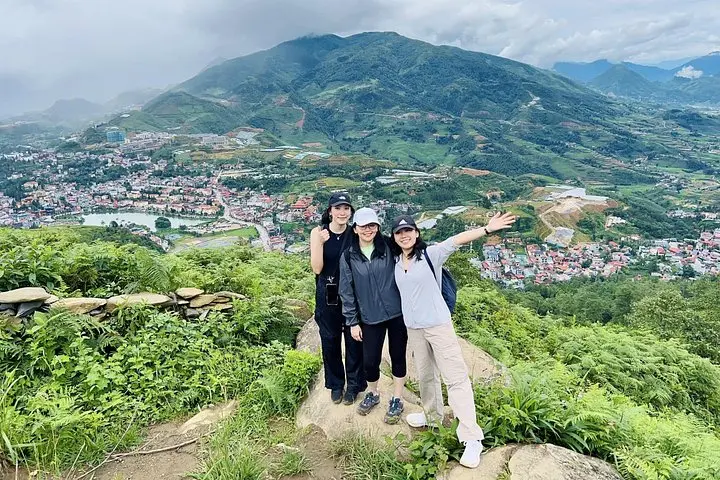
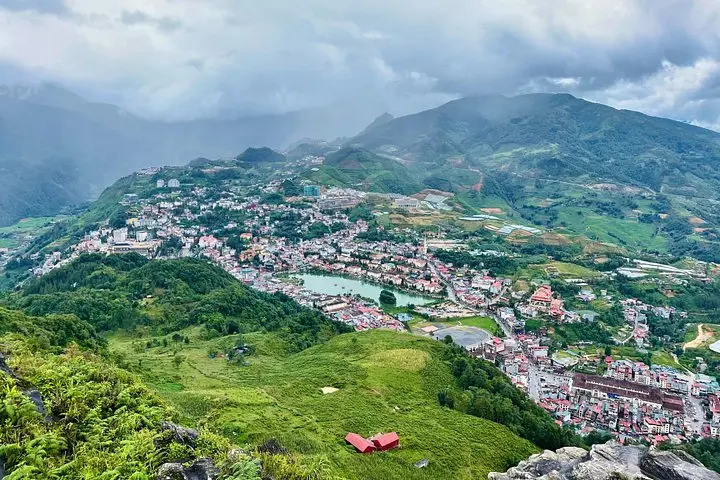
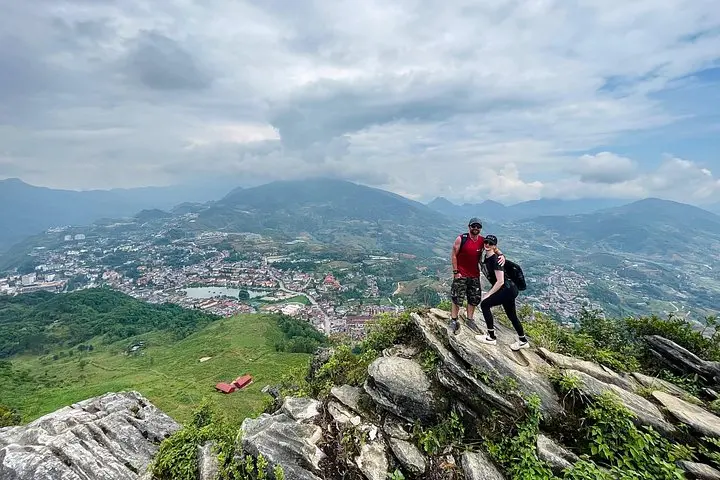
A low morning mist lifts off the Muong Hoa valley as you step away from Sapa’s stone church, the town shrinking behind a ribbon of trail. Underfoot, packed soil gives way to narrow village paths that climb toward Dragon Jaw Mountain; at 1,900 meters the ridge opens a raw, expansive view of terraced rice fields and, on clear days, the silhouette of Fansipan holding the horizon.
Verified experiences and guided adventures in the surrounding area.
Operated by Sapa Odyssey Tour · Sapa, Lao Cai Province
A low morning mist lifts off the Muong Hoa valley as you step away from Sapa’s stone church, the town shrinking behind a ribbon of trail. Underfoot, packed soil gives way to narrow village paths that climb toward Dragon Jaw Mountain; at 1,900 meters the ridge opens a raw, expansive view of terraced rice fields and, on clear days, the silhouette of Fansipan holding the horizon.
These trails follow a human-shaped landscape: centuries of hillside engineering by Black Hmong, Giay and other ethnic groups created the terraces you walk along. Geologically, the Hoang Lien range is young and rugged—granite ridges carved by seasonal rains—and the valley channels weather, feeding bamboo copses that whisper when the wind shifts.
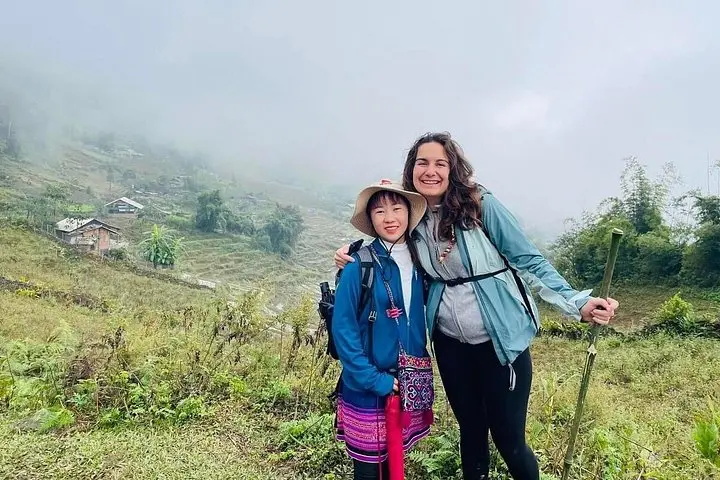
Culturally, the homestay night is the core of the trip: a Hmong household offers local food, simple bedding and conversation that explains seasonal planting, indigo cloth techniques and family rhythms.
Practically, expect mixed terrain—rocky steps, muddy sections, short steep pitches and flat village stretches—about 4–6 hours of walking per day depending on stops. Elevation gain to Dragon Jaw is roughly 300–500 m from Sapa center; aim for sturdy footwear, layered clothing and a compact daypack. Carry at least 1.5–2 liters of water, a light rain shell and cash for small purchases or tips.
Respect household customs at the homestay, move quietly through fields, and time your trek for morning light or late afternoon cloud inversions—the valley often performs its best at the edges of the day.
The route is moderate: expect 4–6 hours walking per day on mixed terrain with several short climbs; guides set a comfortable pace and offer rest stops.
Simple family homes with shared bathrooms in some cases, basic bedding and hot meals prepared with local ingredients; inform providers of dietary needs in advance.
Sapa sits around 1,500–1,600 m; most visitors feel fine, but take it easy the first day if coming from sea level and stay hydrated.
Private transportation between Sapa center and trailheads is included as described—confirm pickup point at booking and allow time for local traffic.
Sapa Odyssey Tour operates guided outdoor trips and adventures with an emphasis on safety, stewardship, and memorable experiences.
A low morning mist lifts off the Muong Hoa valley as you step away from Sapa’s stone church, the town shrinking behind a ribbon of trail. Underfoot, packed soil gives way to narrow village paths that climb toward Dragon Jaw Mountain; at 1,900 meters the ridge opens a raw, expansive view of terraced rice fields and, on clear days, the silhouette of Fansipan holding the horizon.
A low morning mist lifts off the Muong Hoa valley as you step away from Sapa’s stone church, the town shrinking behind a ribbon of trail. Underfoot, packed soil gives way to narrow village paths that climb toward Dragon Jaw Mountain; at 1,900 meters the ridge opens a raw, expansive view of terraced rice fields and, on clear days, the silhouette of Fansipan holding the horizon.
These trails follow a human-shaped landscape: centuries of hillside engineering by Black Hmong, Giay and other ethnic groups created the terraces you walk along. Geologically, the Hoang Lien range is young and rugged—granite ridges carved by seasonal rains—and the valley channels weather, feeding bamboo copses that whisper when the wind shifts.
Culturally, the homestay night is the core of the trip: a Hmong household offers local food, simple bedding and conversation that explains seasonal planting, indigo cloth techniques and family rhythms.
Practically, expect mixed terrain—rocky steps, muddy sections, short steep pitches and flat village stretches—about 4–6 hours of walking per day depending on stops. Elevation gain to Dragon Jaw is roughly 300–500 m from Sapa center; aim for sturdy footwear, layered clothing and a compact daypack. Carry at least 1.5–2 liters of water, a light rain shell and cash for small purchases or tips.
Respect household customs at the homestay, move quietly through fields, and time your trek for morning light or late afternoon cloud inversions—the valley often performs its best at the edges of the day.