THE ADVENTURE COLLECTIVE® · Independent discovery and booking for outdoor travel

A six-hour, guide-led trek from Sapa to Hau Thao that winds through rice terraces, Hmong villages and panoramic valley viewpoints. Ideal for travelers with moderate fitness who want cultural insight and hands-on encounters with local traditions.
A six-hour, guide-led trek from Sapa to Hau Thao that winds through rice terraces, Hmong villages and panoramic valley viewpoints. Ideal for travelers with moderate fitness who want cultural insight and hands-on encounters with local traditions.
You step out of Sapa town into a cool highland breath—terraced slopes drop away in green ribbons, narrow footpaths winding between rice paddies and stone houses. The local Hmong guide leads with quiet confidence, pointing out indigo-stained cloth and the slow rhythm of water buffalo on the lower flats.
Verified experiences and guided adventures in the surrounding area.
Operated by Authentic Hanoi Homestay & Travel · Sapa, Lao Cai
You step out of Sapa town into a cool highland breath—terraced slopes drop away in green ribbons, narrow footpaths winding between rice paddies and stone houses. The local Hmong guide leads with quiet confidence, pointing out indigo-stained cloth and the slow rhythm of water buffalo on the lower flats.
This route threads through the Hoang Lien foothills, an area shaped by steep slopes, seasonal irrigation channels and generations of terrace-building. Sapa grew as a hill station in the French colonial period and today remains a cultural crossroads where Hmong communities preserve distinctive embroidery, indigo dyeing and household crafts you’ll see along the way.
Expect uneven dirt and stone trails, short steep climbs and wide terrace benches that frame sweeping valley views—terrain typical of day treks around Sapa. The six-hour itinerary includes village stops, a family-style lunch, and conversation about local life and farming cycles. Hau Thao marks the day’s turning point; from there it’s roughly a 17 km motorbike or taxi ride back to Sapa if you prefer not to walk the return.
Practical guidance: wear sturdy hiking shoes with good grip, bring 1–2 liters of water, sun protection and a lightweight rain layer—weather can shift quickly at 1,400–1,600 m elevation. Carry small local currency for souvenirs and tips, follow your guide’s lead on private farm tracks, and stay on established paths to reduce erosion. The hike balances cultural immersion with steady physical work—rewarding views and direct contact with Hmong village life for those prepared for moderate effort.
The group meets at Notre Dame Cathedral in Sapa town at 9:30am as stated on your booking; confirm pickup details with the guide ahead of time.
It’s a moderate six-hour hike with uneven terrain—people with spinal, heart, or pregnancy-related restrictions are advised not to participate.
Yes—family-style local lunch and a large bottled water are included; bringing extra water and snacks is recommended.
The guide can arrange a motorbike or taxi—it's about 17 km and roughly a 30-minute drive back to Sapa if you prefer not to hike the return.
Authentic Hanoi Homestay & Travel operates guided outdoor trips and adventures with an emphasis on safety, stewardship, and memorable experiences.
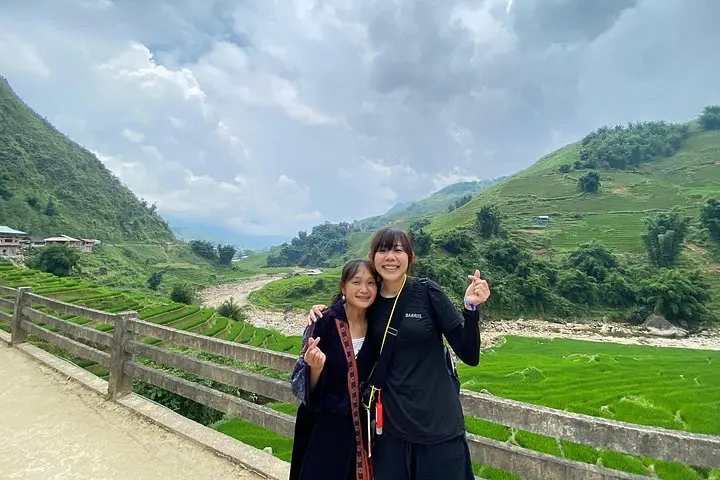
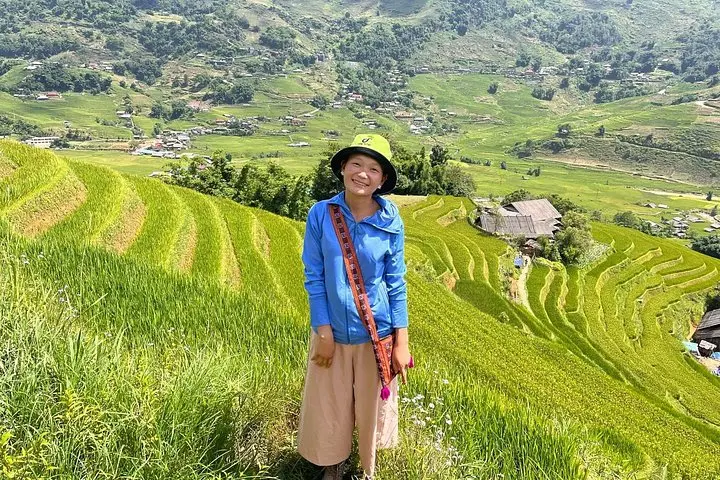
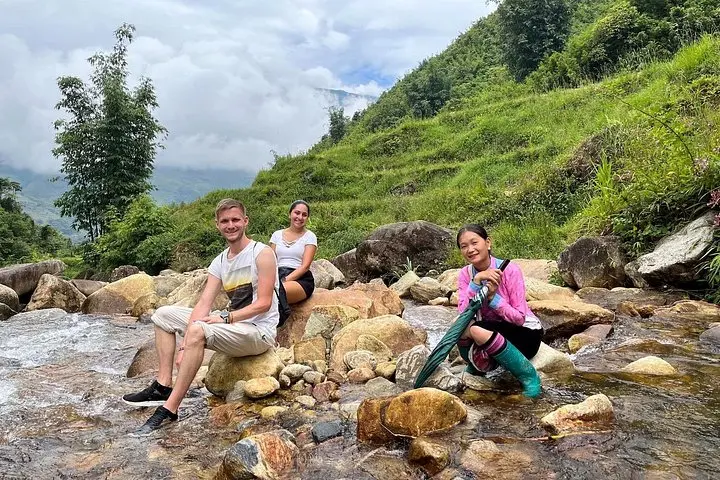

You step out of Sapa town into a cool highland breath—terraced slopes drop away in green ribbons, narrow footpaths winding between rice paddies and stone houses. The local Hmong guide leads with quiet confidence, pointing out indigo-stained cloth and the slow rhythm of water buffalo on the lower flats.
You step out of Sapa town into a cool highland breath—terraced slopes drop away in green ribbons, narrow footpaths winding between rice paddies and stone houses. The local Hmong guide leads with quiet confidence, pointing out indigo-stained cloth and the slow rhythm of water buffalo on the lower flats.
This route threads through the Hoang Lien foothills, an area shaped by steep slopes, seasonal irrigation channels and generations of terrace-building. Sapa grew as a hill station in the French colonial period and today remains a cultural crossroads where Hmong communities preserve distinctive embroidery, indigo dyeing and household crafts you’ll see along the way.
Expect uneven dirt and stone trails, short steep climbs and wide terrace benches that frame sweeping valley views—terrain typical of day treks around Sapa. The six-hour itinerary includes village stops, a family-style lunch, and conversation about local life and farming cycles. Hau Thao marks the day’s turning point; from there it’s roughly a 17 km motorbike or taxi ride back to Sapa if you prefer not to walk the return.
Practical guidance: wear sturdy hiking shoes with good grip, bring 1–2 liters of water, sun protection and a lightweight rain layer—weather can shift quickly at 1,400–1,600 m elevation. Carry small local currency for souvenirs and tips, follow your guide’s lead on private farm tracks, and stay on established paths to reduce erosion. The hike balances cultural immersion with steady physical work—rewarding views and direct contact with Hmong village life for those prepared for moderate effort.