THE ADVENTURE COLLECTIVE® · Independent discovery and booking for outdoor travel

Walk from Sa Pa through carved rice terraces to Lao Chai and Ta Van villages on a 5–6 hour day trek. Expect river valleys, ethnic village visits and panoramic views of the Hoang Lien range.
Walk from Sa Pa through carved rice terraces to Lao Chai and Ta Van villages on a 5–6 hour day trek. Expect river valleys, ethnic village visits and panoramic views of the Hoang Lien range.
Morning mist lifts off the terraces as you step away from Sa Pa church, boots sinking into damp soil and the Muong Hoa river daring you to keep pace. The trail threads along carved rice benches, slips through bamboo gullies and climbs to viewpoints where Hoang Lien Son fills the horizon with serrated blue ridges.
Verified experiences and guided adventures in the surrounding area.
Operated by Local Tours ASIA · Sa Pa, Lao Cai
Morning mist lifts off the terraces as you step away from Sa Pa church, boots sinking into damp soil and the Muong Hoa river daring you to keep pace. The trail threads along carved rice benches, slips through bamboo gullies and climbs to viewpoints where Hoang Lien Son fills the horizon with serrated blue ridges.
This route follows centuries of upland agriculture and ethnic history: rice terraces shaped by Hmong and Dzay hands, villages where traditional embroidery and indigo dyes mark identity. Geologically the valley is a young, uplifted flank of the Hoang Lien range—Fansipan looms farther inland—so expect steep-sided gullies, rocky steps and river-polished boulders on lower gradients.
Culturally, Lao Chai and Ta Van are living villages. Guides introduce household traditions, seasonal cropping cycles and a family-style lunch that reflects mountain produce. Local life is practical and open; conversations commonly include tales of monsoon seasons and harvest rhythms.
Practically, this is a 5–6 hour day trek (roughly 10–12 km) over mixed terrain with intermittent elevation changes—plan for 300–500 m of cumulative ascent on uneven stone and packed-earth trails. Start early to avoid afternoon showers, carry 1.5–2 L water, and pack a lightweight rain shell. Footwear with good grip is essential; trekking poles help on descents.
You can return by motorbike transfer from Ta Van or arrange a car one-way; both are commonly offered. Bring small bills for souvenirs and tips, respect private yards and ask before photographing people. The route is accessible for those with moderate fitness and rewards steady pacing with sweeping valley views and close cultural encounters.
The guided route typically takes 5–6 hours covering around 10–12 km with moderate elevation changes.
Yes—operators commonly offer a motorbike transfer from Ta Van back to Sa Pa; a car transfer one-way may also be available as an option.
A family-style lunch is included and vegetarian options are usually available with prior notice.
Travelers should have moderate fitness; children and older adults may join if comfortable with uneven trails and several hours of walking.
Local Tours ASIA operates guided outdoor trips and adventures with an emphasis on safety, stewardship, and memorable experiences.
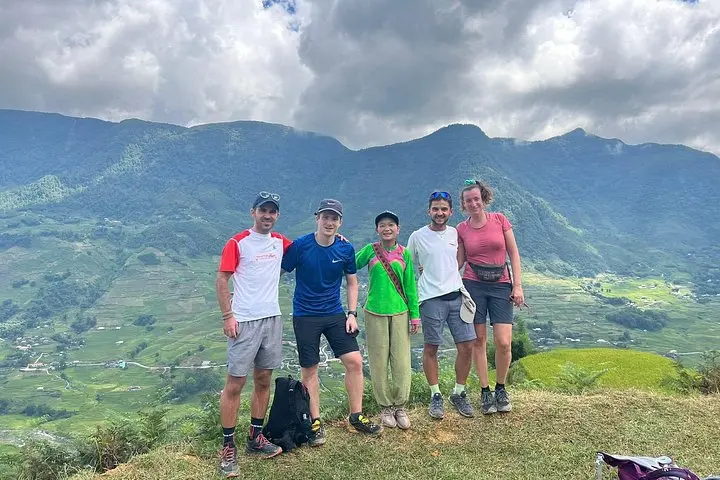
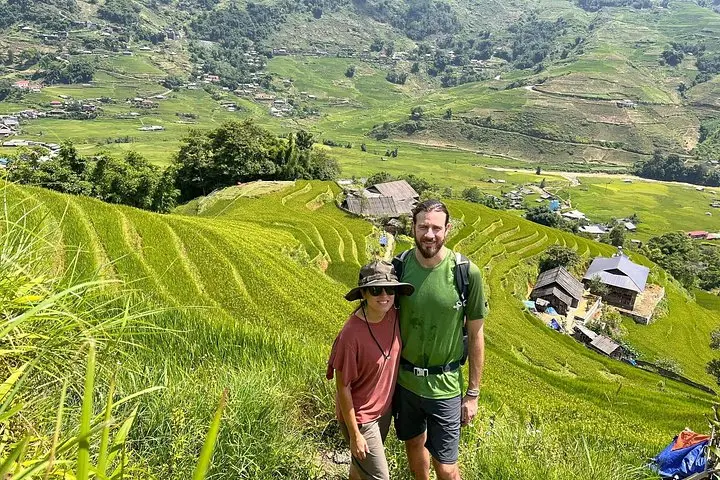
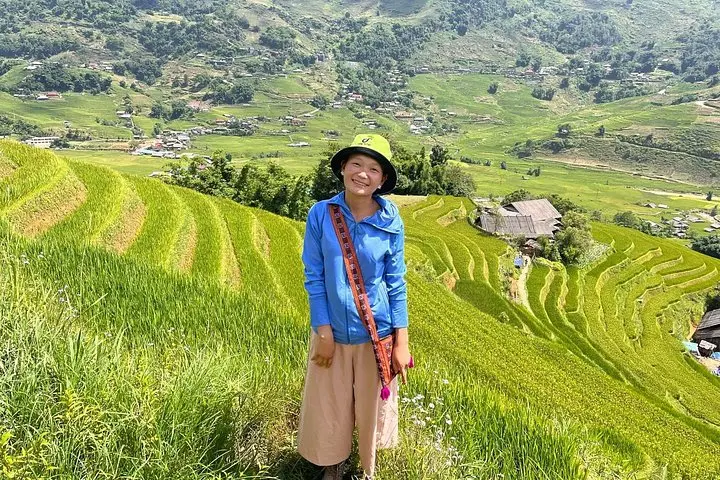
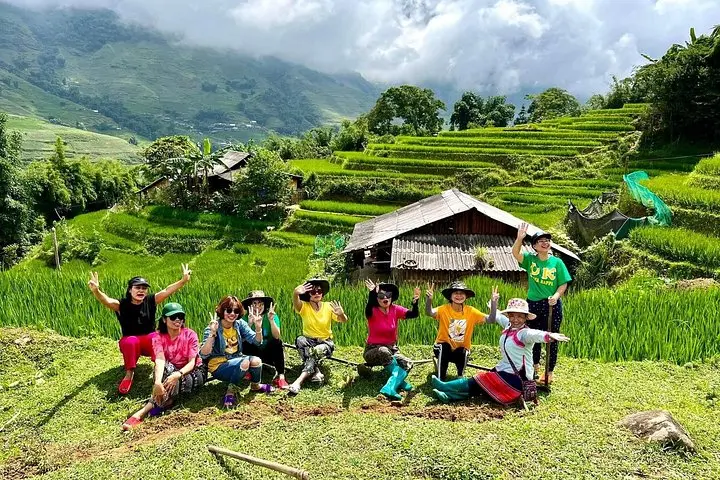
Morning mist lifts off the terraces as you step away from Sa Pa church, boots sinking into damp soil and the Muong Hoa river daring you to keep pace. The trail threads along carved rice benches, slips through bamboo gullies and climbs to viewpoints where Hoang Lien Son fills the horizon with serrated blue ridges.
Morning mist lifts off the terraces as you step away from Sa Pa church, boots sinking into damp soil and the Muong Hoa river daring you to keep pace. The trail threads along carved rice benches, slips through bamboo gullies and climbs to viewpoints where Hoang Lien Son fills the horizon with serrated blue ridges.
This route follows centuries of upland agriculture and ethnic history: rice terraces shaped by Hmong and Dzay hands, villages where traditional embroidery and indigo dyes mark identity. Geologically the valley is a young, uplifted flank of the Hoang Lien range—Fansipan looms farther inland—so expect steep-sided gullies, rocky steps and river-polished boulders on lower gradients.
Culturally, Lao Chai and Ta Van are living villages. Guides introduce household traditions, seasonal cropping cycles and a family-style lunch that reflects mountain produce. Local life is practical and open; conversations commonly include tales of monsoon seasons and harvest rhythms.
Practically, this is a 5–6 hour day trek (roughly 10–12 km) over mixed terrain with intermittent elevation changes—plan for 300–500 m of cumulative ascent on uneven stone and packed-earth trails. Start early to avoid afternoon showers, carry 1.5–2 L water, and pack a lightweight rain shell. Footwear with good grip is essential; trekking poles help on descents.
You can return by motorbike transfer from Ta Van or arrange a car one-way; both are commonly offered. Bring small bills for souvenirs and tips, respect private yards and ask before photographing people. The route is accessible for those with moderate fitness and rewards steady pacing with sweeping valley views and close cultural encounters.