THE ADVENTURE COLLECTIVE® · Independent discovery and booking for outdoor travel

Walk ancient trails through Muong Hoa Valley, sleep with a Hmong family in Ta Van, and visit waterfalls and weaving workshops on this two-day cultural hike near Sapa. Expect rice terraces, bamboo forest, and guided village encounters.
Walk ancient trails through Muong Hoa Valley, sleep with a Hmong family in Ta Van, and visit waterfalls and weaving workshops on this two-day cultural hike near Sapa. Expect rice terraces, bamboo forest, and guided village encounters.
Steam from cooked rice hangs in the cool morning as you step off the van and into a highland town that still runs on daylight and market rhythms. Trails peel away from Sapa toward the Muong Hoa Valley—stone steps, muddy ruts and ribbon-like rice terraces that tilt with the contours of the mountains. Rivers cut quick lines through the valley, daring you to pause and listen.
Verified experiences and guided adventures in the surrounding area.
Operated by Dragon Mountain Family · Sapa, Lao Cai Province
Steam from cooked rice hangs in the cool morning as you step off the van and into a highland town that still runs on daylight and market rhythms. Trails peel away from Sapa toward the Muong Hoa Valley—stone steps, muddy ruts and ribbon-like rice terraces that tilt with the contours of the mountains. Rivers cut quick lines through the valley, daring you to pause and listen.
This two-day route follows traditional footpaths used by Black Hmong and Red Dao communities for generations. Geologically the valley is carved from metamorphic bedrock, terraced by centuries of hand-built walls; culturally the climbs and descents map to villages where weaving and hemp work remain daily life. You’ll sleep in a family homestay in Ta Van and learn about tribal cooking, textiles and local rice wine. Bamboo forests and Giang Ta Chai falls add variety—there’s a chance to swim in summer pools where water tumbles cold and bright.
Expect about 8–12 km of walking each day with cumulative elevation change of roughly 400–700 m over the trek; terrain alternates between packed dirt, stone steps and narrow village tracks. Guides from local tribes lead the way and interaction with villagers is part of the experience—bring respectful curiosity, cash for handicrafts, and modest clothing for homestays.
Practical tips: start early to avoid midday heat and allow photography stops; waterproof footwear and a light rain layer are essential; carry local currency for small purchases; pace yourself on the steep stone stairs. With moderate fitness you’ll leave with clear views, new skills in traditional crafts and a real sense of life in the highlands.
You’ll typically walk 8–12 km per day with varied terrain; day one moves Sapa→Y Linh Ho→Lao Chai→Ta Van, day two covers Ta Van→bamboo forest→Giang Ta Chai waterfalls.
A moderate fitness level is recommended—regular walkers will manage the ascents and descents; it’s not suitable for those with serious heart or back problems.
Overnight is in a local Hmong family homestay in Ta Van with shared rooms and traditional meals; bedding is provided.
Breakfast, lunch and dinner are included; let the operator know in advance about vegetarian, vegan or allergy requirements so they can prepare alternatives.
Dragon Mountain Family operates guided outdoor trips and adventures with an emphasis on safety, stewardship, and memorable experiences.
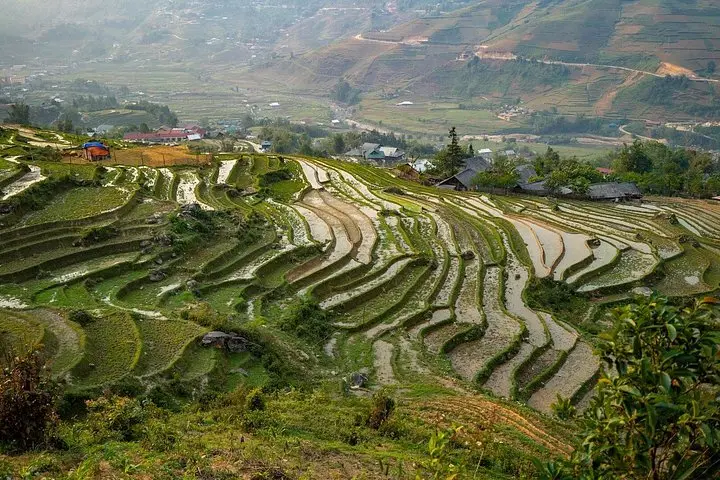
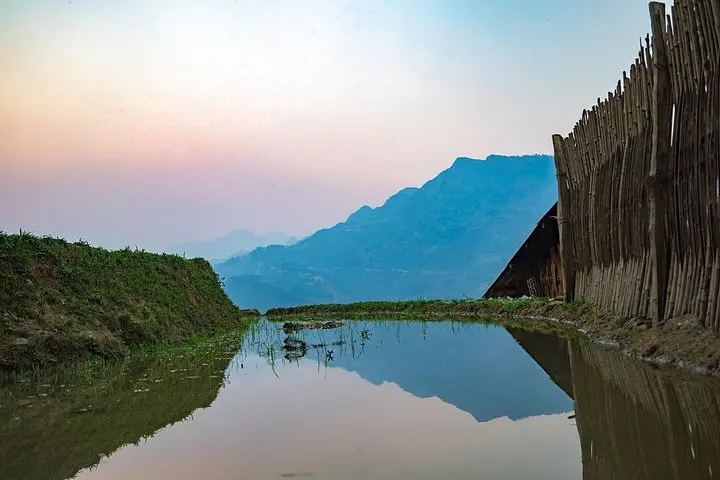
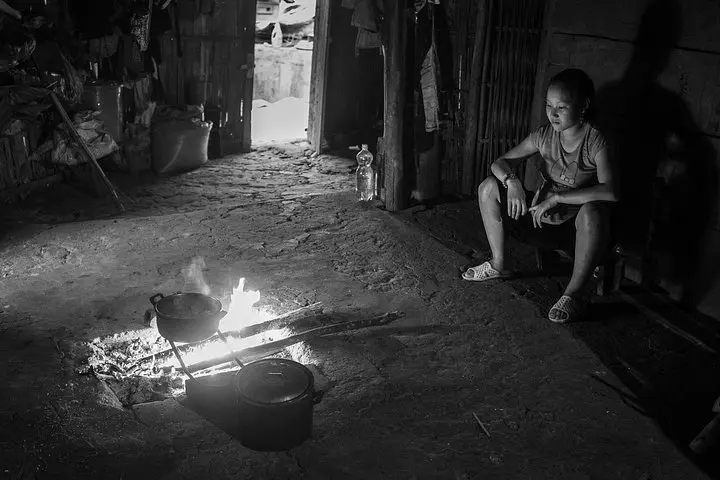

Steam from cooked rice hangs in the cool morning as you step off the van and into a highland town that still runs on daylight and market rhythms. Trails peel away from Sapa toward the Muong Hoa Valley—stone steps, muddy ruts and ribbon-like rice terraces that tilt with the contours of the mountains. Rivers cut quick lines through the valley, daring you to pause and listen.
Steam from cooked rice hangs in the cool morning as you step off the van and into a highland town that still runs on daylight and market rhythms. Trails peel away from Sapa toward the Muong Hoa Valley—stone steps, muddy ruts and ribbon-like rice terraces that tilt with the contours of the mountains. Rivers cut quick lines through the valley, daring you to pause and listen.
This two-day route follows traditional footpaths used by Black Hmong and Red Dao communities for generations. Geologically the valley is carved from metamorphic bedrock, terraced by centuries of hand-built walls; culturally the climbs and descents map to villages where weaving and hemp work remain daily life. You’ll sleep in a family homestay in Ta Van and learn about tribal cooking, textiles and local rice wine. Bamboo forests and Giang Ta Chai falls add variety—there’s a chance to swim in summer pools where water tumbles cold and bright.
Expect about 8–12 km of walking each day with cumulative elevation change of roughly 400–700 m over the trek; terrain alternates between packed dirt, stone steps and narrow village tracks. Guides from local tribes lead the way and interaction with villagers is part of the experience—bring respectful curiosity, cash for handicrafts, and modest clothing for homestays.
Practical tips: start early to avoid midday heat and allow photography stops; waterproof footwear and a light rain layer are essential; carry local currency for small purchases; pace yourself on the steep stone stairs. With moderate fitness you’ll leave with clear views, new skills in traditional crafts and a real sense of life in the highlands.