THE ADVENTURE COLLECTIVE® · Independent discovery and booking for outdoor travel

Walk 15–16 km through quiet Sapa valleys, visit Hmong and Dzao villages, and take in sweeping Ta Phin panoramas on a 6–7 hour non-touristy trek. Practical route notes, cultural context, and gear tips for a day of terraces and bamboo trails.
Walk 15–16 km through quiet Sapa valleys, visit Hmong and Dzao villages, and take in sweeping Ta Phin panoramas on a 6–7 hour non-touristy trek. Practical route notes, cultural context, and gear tips for a day of terraces and bamboo trails.
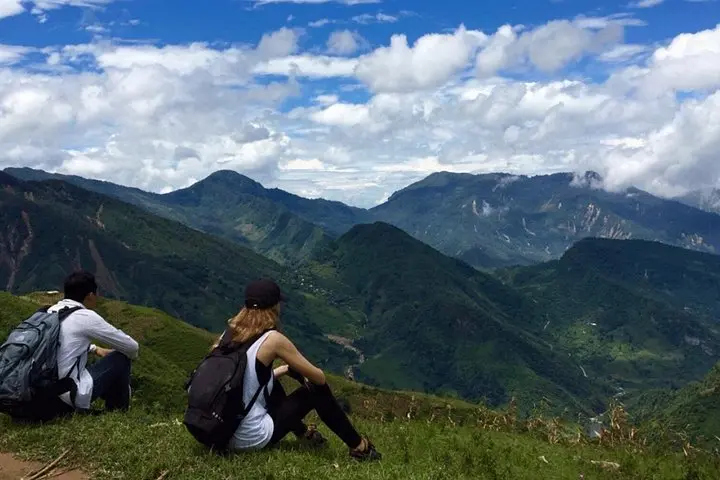
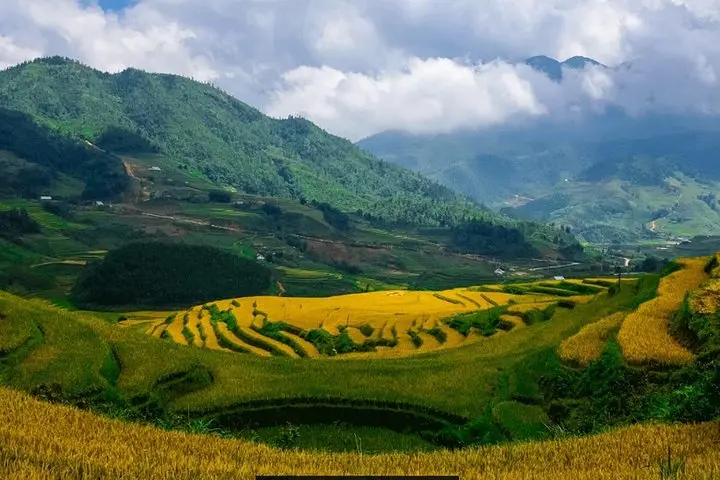
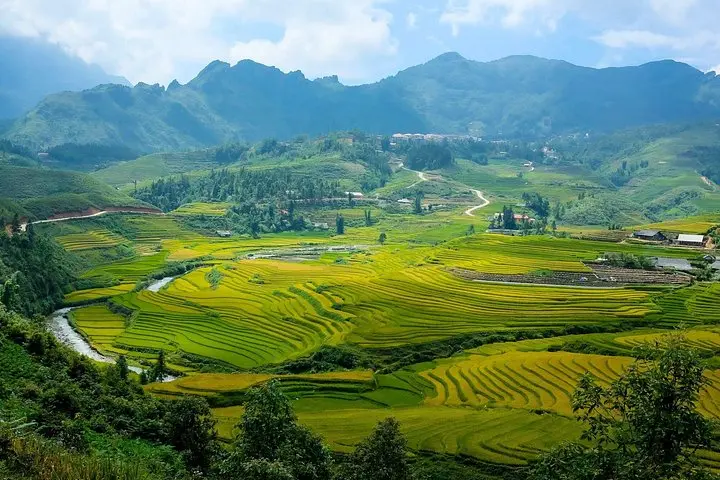
A cool mist lifts from terrace edges as walkers step from a minivan onto the dirt track at Giang Cha, the first village on a 15–16 km route through Sapa’s quieter valleys. Bamboo stands whisper beside narrow paths; terraces fold away like carved steps, and distant ridgelines hold clouds like slow-moving drifts. The trail threads three minority villages—Hmong and Dzao—where woven hemp, indigo garments and low timber homes mark daily life.
Verified experiences and guided adventures in the surrounding area.
Operated by Sapa Original Trek · Sapa, Lao Cai
A cool mist lifts from terrace edges as walkers step from a minivan onto the dirt track at Giang Cha, the first village on a 15–16 km route through Sapa’s quieter valleys. Bamboo stands whisper beside narrow paths; terraces fold away like carved steps, and distant ridgelines hold clouds like slow-moving drifts. The trail threads three minority villages—Hmong and Dzao—where woven hemp, indigo garments and low timber homes mark daily life.
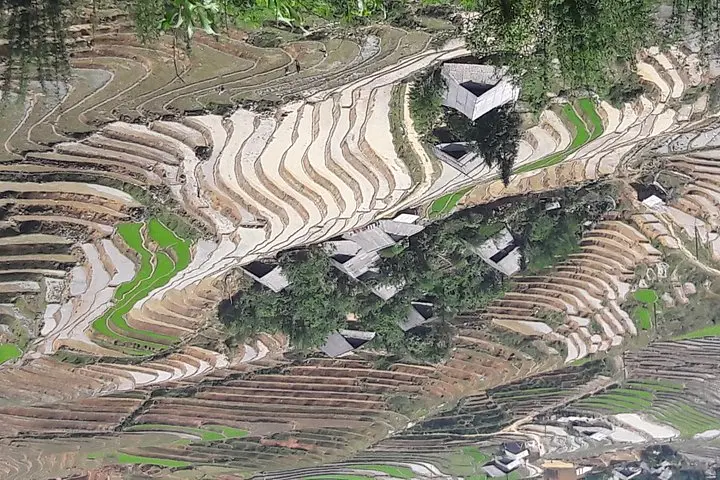
The hills here are young mountains of the Hoang Lien Range, made of limestone and metamorphosed sediment that forces steep valleys and sudden viewpoints. The rice terraces are human-built geology: centuries of soil management shaped into contour farms that slow water and channel fertility. Culturally, Hmong and Dzao communities maintain textile crafts and animist practices; visitors will see handloom work and household gardens rather than staged performances.
Practically, expect 5–6 hours of walking (total tour 6–7 hours with transfers), varied footing from packed dirt to slippery steps after rain, and elevation changes that test legs more than lungs. Lunch is a picnic in Ta Phin valley; guides translate and point out local techniques for terrace farming. Carry at least 1.5–2 L of water, wear grippy footwear, and plan for sudden showers—monsoon months make trails greasy and bamboo trails shaded and damp. Morning departures give the clearest views; late afternoons can cloud in.
This trek rewards steady pacing and curiosity: listen for the water buffalo in lower fields, watch weavers at work, and let the valley push and pull you forward with each switchback.
The walk is about 15–16 km with 5–6 hours of hiking; difficulty is moderate with variable elevation and uneven surfaces.
Lunch is included as a picnic during the trek; guides usually provide local dishes and bottled water (additional water recommended).
Those must be in reasonable physical condition can join, but the tour is not recommended for people with serious back or heart conditions; check with the operator about age limits.
Transfers are provided from Sapa town by car to Giang Cha village as part of the tour; independent travelers can hire local transport into the valley.
Sapa Original Trek operates guided outdoor trips and adventures with an emphasis on safety, stewardship, and memorable experiences.
A cool mist lifts from terrace edges as walkers step from a minivan onto the dirt track at Giang Cha, the first village on a 15–16 km route through Sapa’s quieter valleys. Bamboo stands whisper beside narrow paths; terraces fold away like carved steps, and distant ridgelines hold clouds like slow-moving drifts. The trail threads three minority villages—Hmong and Dzao—where woven hemp, indigo garments and low timber homes mark daily life.
A cool mist lifts from terrace edges as walkers step from a minivan onto the dirt track at Giang Cha, the first village on a 15–16 km route through Sapa’s quieter valleys. Bamboo stands whisper beside narrow paths; terraces fold away like carved steps, and distant ridgelines hold clouds like slow-moving drifts. The trail threads three minority villages—Hmong and Dzao—where woven hemp, indigo garments and low timber homes mark daily life.
The hills here are young mountains of the Hoang Lien Range, made of limestone and metamorphosed sediment that forces steep valleys and sudden viewpoints. The rice terraces are human-built geology: centuries of soil management shaped into contour farms that slow water and channel fertility. Culturally, Hmong and Dzao communities maintain textile crafts and animist practices; visitors will see handloom work and household gardens rather than staged performances.
Practically, expect 5–6 hours of walking (total tour 6–7 hours with transfers), varied footing from packed dirt to slippery steps after rain, and elevation changes that test legs more than lungs. Lunch is a picnic in Ta Phin valley; guides translate and point out local techniques for terrace farming. Carry at least 1.5–2 L of water, wear grippy footwear, and plan for sudden showers—monsoon months make trails greasy and bamboo trails shaded and damp. Morning departures give the clearest views; late afternoons can cloud in.
This trek rewards steady pacing and curiosity: listen for the water buffalo in lower fields, watch weavers at work, and let the valley push and pull you forward with each switchback.