THE ADVENTURE COLLECTIVE® · Independent discovery and booking for outdoor travel

A compact day trek from Sapa that combines panoramic Fansipan views with visits to Black Hmong villages and the Muong Hoa rice terraces. Expect 5–6 hours on mixed trails, a local guide, and a homestyle lunch in village settings.
A compact day trek from Sapa that combines panoramic Fansipan views with visits to Black Hmong villages and the Muong Hoa rice terraces. Expect 5–6 hours on mixed trails, a local guide, and a homestyle lunch in village settings.
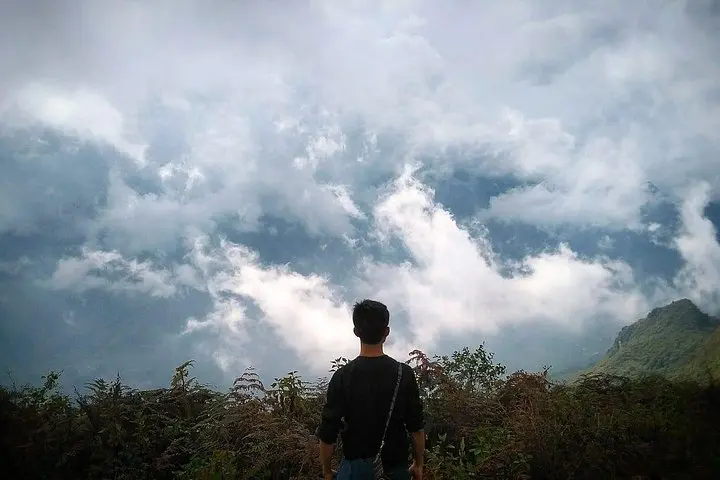
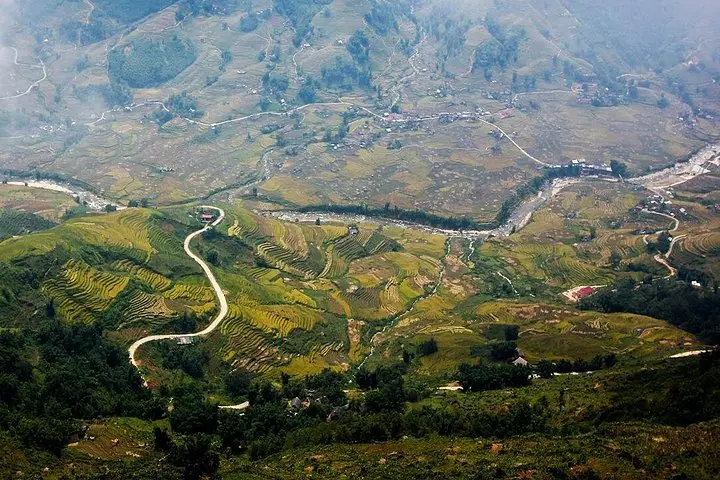
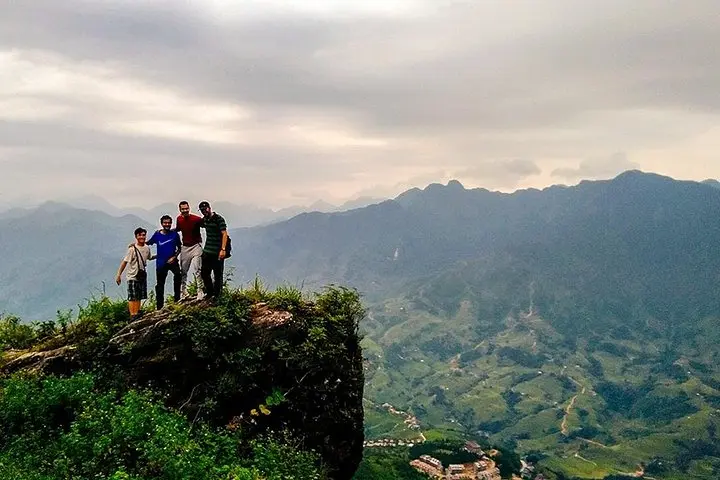
Morning light lifts off the green steps of Muong Hoa valley as you climb out of Sapa, the air thin with rice-smoke and tea. The trail angles up through paddy edges and conifer patches to a ridge near 1,900 m where Fansipan, 3,143 m, pins the horizon—a steady presence that frames the valley’s work below.
Verified experiences and guided adventures in the surrounding area.
Operated by Trekking Tour Sapa · Sapa, Lao Cai
Morning light lifts off the green steps of Muong Hoa valley as you climb out of Sapa, the air thin with rice-smoke and tea. The trail angles up through paddy edges and conifer patches to a ridge near 1,900 m where Fansipan, 3,143 m, pins the horizon—a steady presence that frames the valley’s work below.
The route follows ancestral footpaths linking Ham Da, Hau Thao and Giang Ta Chai, villages of the Black Hmong. Terraces here were shaped over generations along the Hoang Lien Son foothills; the Muong Hoa river braided the valley and made this landscape farmable. Local guides will point out house-building methods, marriage customs and how water buffalo remain central to daily life.
Expect 5–6 hours on mixed ground: packed dirt trails, stepped terraces and short paved village stretches—roughly 8–10 km with about 400 m cumulative ascent depending on routing. A local guide manages village entry fees and leads interpretation; lunch is provided and can be vegetarian.
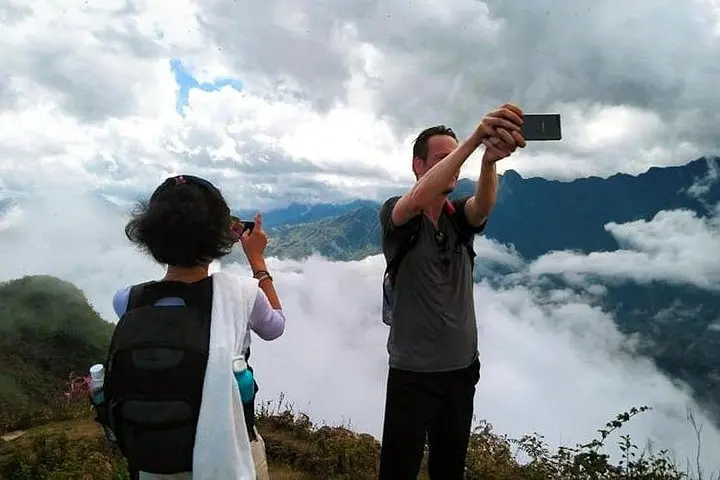
Practical tips: wear supportive hiking shoes and a light rain shell—weather changes fast at elevation. Carry at least 2 liters of water, sun protection and small bills for snacks or crafts. Move steadily to protect knees on descents and always ask before photographing people. This day trek pairs broad mountain views with close cultural encounters—accessible for those in moderate shape but honest about its climbs and variable trails.
The tour runs about 5–6 hours covering roughly 8–10 km with ~400 m cumulative ascent; it’s rated moderate and suits travelers used to day hikes.
Transport back to Sapa is included; pickup in town is typically organized by the operator or guide at the meeting point.
Yes — the itinerary notes vegetarian options are available; drinks at restaurants or homestays are not included.
Yes — village entry fees and a local guide are included in the tour price, and the guide explains customs and local life.
Trekking Tour Sapa operates guided outdoor trips and adventures with an emphasis on safety, stewardship, and memorable experiences.
Morning light lifts off the green steps of Muong Hoa valley as you climb out of Sapa, the air thin with rice-smoke and tea. The trail angles up through paddy edges and conifer patches to a ridge near 1,900 m where Fansipan, 3,143 m, pins the horizon—a steady presence that frames the valley’s work below.
Morning light lifts off the green steps of Muong Hoa valley as you climb out of Sapa, the air thin with rice-smoke and tea. The trail angles up through paddy edges and conifer patches to a ridge near 1,900 m where Fansipan, 3,143 m, pins the horizon—a steady presence that frames the valley’s work below.
The route follows ancestral footpaths linking Ham Da, Hau Thao and Giang Ta Chai, villages of the Black Hmong. Terraces here were shaped over generations along the Hoang Lien Son foothills; the Muong Hoa river braided the valley and made this landscape farmable. Local guides will point out house-building methods, marriage customs and how water buffalo remain central to daily life.
Expect 5–6 hours on mixed ground: packed dirt trails, stepped terraces and short paved village stretches—roughly 8–10 km with about 400 m cumulative ascent depending on routing. A local guide manages village entry fees and leads interpretation; lunch is provided and can be vegetarian.
Practical tips: wear supportive hiking shoes and a light rain shell—weather changes fast at elevation. Carry at least 2 liters of water, sun protection and small bills for snacks or crafts. Move steadily to protect knees on descents and always ask before photographing people. This day trek pairs broad mountain views with close cultural encounters—accessible for those in moderate shape but honest about its climbs and variable trails.