THE ADVENTURE COLLECTIVE® · Independent discovery and booking for outdoor travel

A private three-day tour that threads the Muong Hoa Valley’s rice terraces with moderate village treks and an overnight homestay. Expect misty mornings, steep sections on dirt paths, and close encounters with H'mong and Dao hill-tribe life.
A private three-day tour that threads the Muong Hoa Valley’s rice terraces with moderate village treks and an overnight homestay. Expect misty mornings, steep sections on dirt paths, and close encounters with H'mong and Dao hill-tribe life.
You step off the morning coach as mist peels away from the terraced slopes and the valley exhales—rice paddies catching the first light like shallow mirrors. The road from Hanoi threads rice plains into karst and shale, ending where Sapa’s market bustle meets the highland quiet. Over three days you move between paved town lanes, small back roads and dirt trails that contour the Muong Hoa Valley, passing cascading streams and villages where laundry flaps like small flags.
Verified experiences and guided adventures in the surrounding area.
Operated by Custom Asia Travel · Sapa, Lao Cai
You step off the morning coach as mist peels away from the terraced slopes and the valley exhales—rice paddies catching the first light like shallow mirrors. The road from Hanoi threads rice plains into karst and shale, ending where Sapa’s market bustle meets the highland quiet. Over three days you move between paved town lanes, small back roads and dirt trails that contour the Muong Hoa Valley, passing cascading streams and villages where laundry flaps like small flags.
The region’s terraces were carved into the steep slopes by H’mong and Dao communities generations ago; geological uplift and monsoon-fed erosion shaped the deep valleys and thin, terraced soils that demand intricate irrigation. The cultural layer is immediate: embroidered jackets, wooden stilt houses, and simple homestays where families cook with local salt and herbs. Fansipan, the “roof of Indochina,” watches from farther south—its granite backbone a reminder of the dramatic tectonic forces at work.
Practically, expect moderate day treks of 6–12 km over uneven paths with occasional steep pitches and 200–600 m cumulative ascent/descent, depending on route choices. Sapa sits near 1,500 m elevation so bring warm layers for morning and evening chill, and a waterproof shell for sudden showers. Home-stays are basic but clean; carry cash for small purchases in villages. Start hikes after breakfast, keep pace steady, and let your guide manage local logistics like village visits and transport pickups. Time trips for clear mornings to get the best views of terraces; when clouds roll in, the valley becomes a living, breathing landscape that changes every hour.
Treks are rated moderate: expect uneven dirt paths, occasional steep stretches and daily distances of roughly 6–12 km. Guides can adapt pace for slower walkers.
The tour includes a basic but clean local homestay with shared facilities, bedding, and mosquito nets; comforts are simple compared with the earlier hotel night.
Sapa sits around 1,500 m—most travelers do not experience severe altitude sickness, but stay hydrated and pace yourself to reduce mild symptoms like headache or fatigue.
Yes—the itinerary notes that a Fansipan cable car trip is optional and can be arranged locally; additional costs and time apply.
Custom Asia Travel operates guided outdoor trips and adventures with an emphasis on safety, stewardship, and memorable experiences.
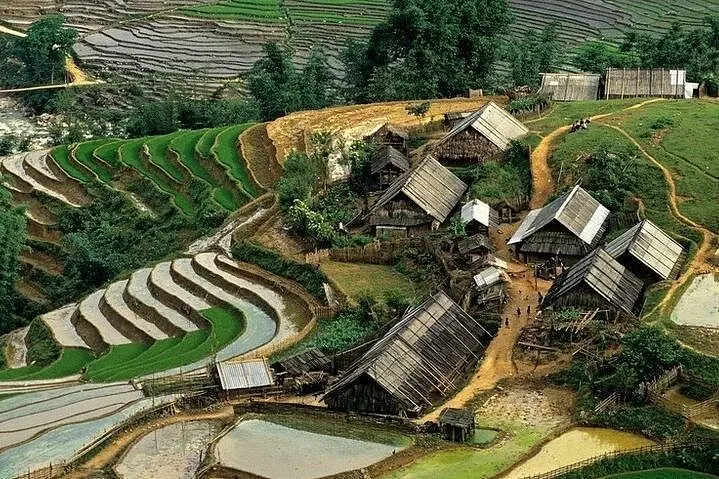

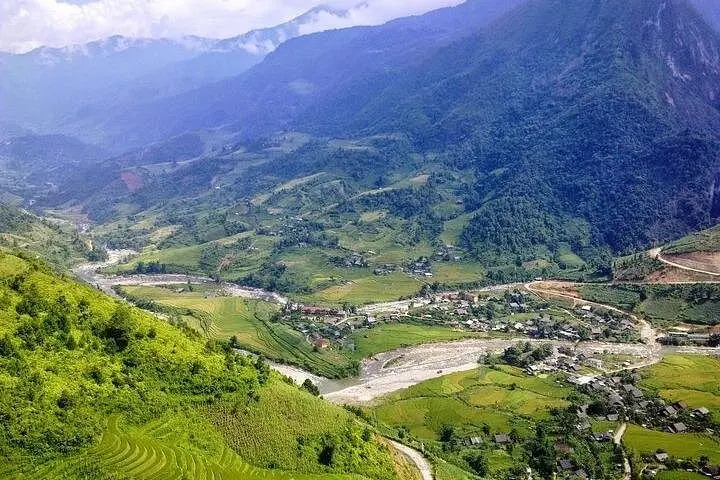
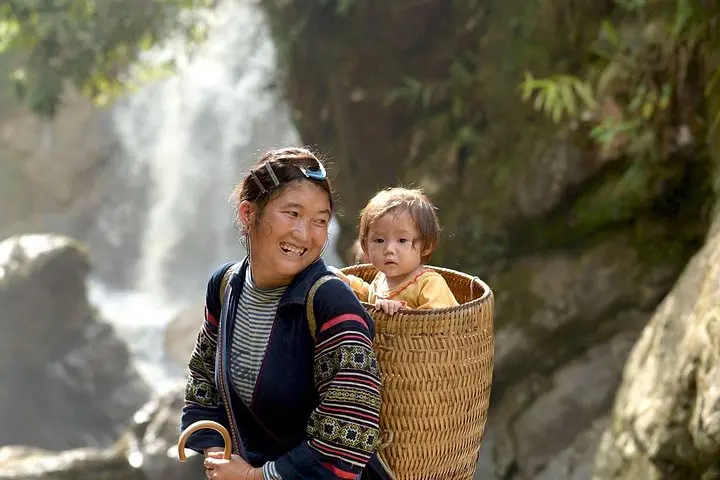
You step off the morning coach as mist peels away from the terraced slopes and the valley exhales—rice paddies catching the first light like shallow mirrors. The road from Hanoi threads rice plains into karst and shale, ending where Sapa’s market bustle meets the highland quiet. Over three days you move between paved town lanes, small back roads and dirt trails that contour the Muong Hoa Valley, passing cascading streams and villages where laundry flaps like small flags.
You step off the morning coach as mist peels away from the terraced slopes and the valley exhales—rice paddies catching the first light like shallow mirrors. The road from Hanoi threads rice plains into karst and shale, ending where Sapa’s market bustle meets the highland quiet. Over three days you move between paved town lanes, small back roads and dirt trails that contour the Muong Hoa Valley, passing cascading streams and villages where laundry flaps like small flags.
The region’s terraces were carved into the steep slopes by H’mong and Dao communities generations ago; geological uplift and monsoon-fed erosion shaped the deep valleys and thin, terraced soils that demand intricate irrigation. The cultural layer is immediate: embroidered jackets, wooden stilt houses, and simple homestays where families cook with local salt and herbs. Fansipan, the “roof of Indochina,” watches from farther south—its granite backbone a reminder of the dramatic tectonic forces at work.
Practically, expect moderate day treks of 6–12 km over uneven paths with occasional steep pitches and 200–600 m cumulative ascent/descent, depending on route choices. Sapa sits near 1,500 m elevation so bring warm layers for morning and evening chill, and a waterproof shell for sudden showers. Home-stays are basic but clean; carry cash for small purchases in villages. Start hikes after breakfast, keep pace steady, and let your guide manage local logistics like village visits and transport pickups. Time trips for clear mornings to get the best views of terraces; when clouds roll in, the valley becomes a living, breathing landscape that changes every hour.