THE ADVENTURE COLLECTIVE® · Independent discovery and booking for outdoor travel

Spend a day in the Muong Hoa Valley by private car and guide, visiting Hmong and Giay villages and Vietnam’s famous terraced rice fields. This one‑day tour balances short walks, panoramic viewpoints and cultural encounters—ideal for travelers who want the terraces without multiday trekking.
Spend a day in the Muong Hoa Valley by private car and guide, visiting Hmong and Giay villages and Vietnam’s famous terraced rice fields. This one‑day tour balances short walks, panoramic viewpoints and cultural encounters—ideal for travelers who want the terraces without multiday trekking.
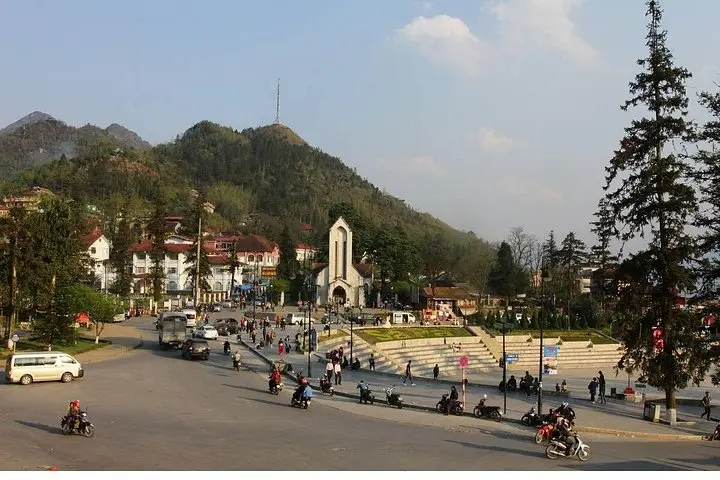
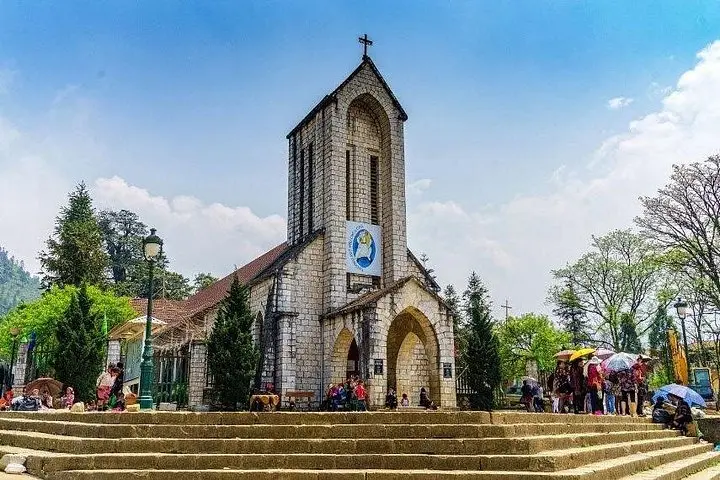
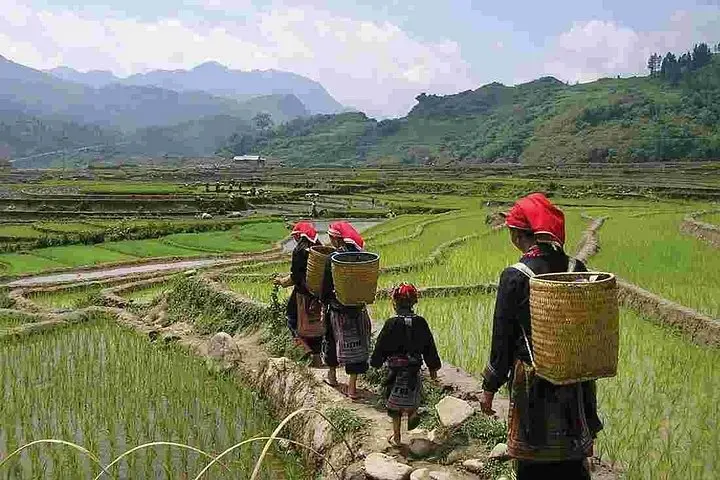
Morning mist lifts off the valley as the car winds up toward the Muong Hoa valley—fields step like green stairs into the hills and the water buffalo graze at the terraces’ edges. On a private one‑day circuit from Sapa town, you move between Y Linh Ho, Lao Chai and Ta Van villages, pausing for viewpoints and short village walks where wooden houses, woven textiles and children’s laughter shape the day.
Verified experiences and guided adventures in the surrounding area.
Operated by Authentic SAPA · Sapa, Lao Cai
Morning mist lifts off the valley as the car winds up toward the Muong Hoa valley—fields step like green stairs into the hills and the water buffalo graze at the terraces’ edges. On a private one‑day circuit from Sapa town, you move between Y Linh Ho, Lao Chai and Ta Van villages, pausing for viewpoints and short village walks where wooden houses, woven textiles and children’s laughter shape the day.
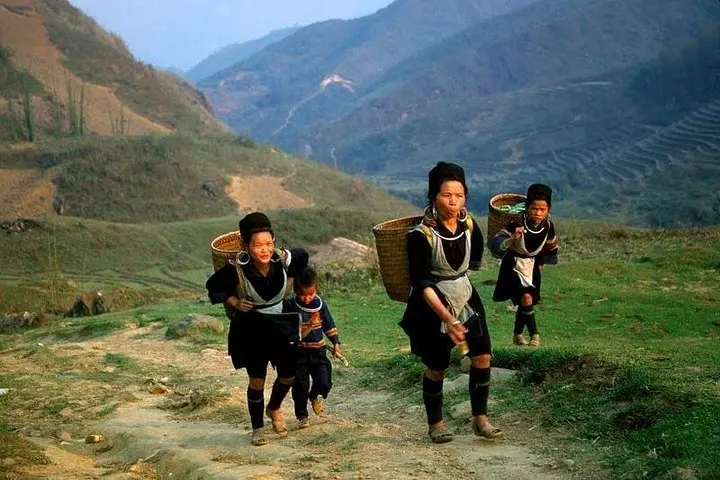
This landscape is the work of centuries of upland rice cultivation by Hmong and Giay communities; terraces follow the contours of glacially carved valleys and weathered limestone underlayers. The geology gives the fields their broad sweep, while the ethnic culture supplies distinctive dress, handicrafts and seasonal rhythms—harvests, markets and homestays.
Expect easy walking on uneven village tracks, panoramic stops for photography and a local lunch that highlights Vietnamese mountain flavors. The private car shortens transfers and makes it possible to cover 60% of Sapa’s highlights in a single day without a long trek; the guide explains terrace irrigation, village history and local customs.
Practical tips: travel light with a waterproof shell, sturdy shoes for ankle‑uneven paths and cash for small purchases. Visit in early fall for golden rice or spring for fresh planting; summer brings heavy rain that can hide views. Respect private lands, ask before photographing people, and choose guides who return revenue directly to village communities—small choices keep these terraces alive.
Yes—private tours typically include pickup and drop-off in Sapa; confirm your exact pickup point when booking.
No—the tour uses a private car to reach viewpoints and villages; expect short walks on village tracks rather than multi‑day trekking.
Lunch is included and usually features local mountain dishes; bring snacks if you have specific dietary needs.
Generally yes—physical demands are low, but uneven surfaces in villages may be challenging for strollers or mobility aids.
Authentic SAPA operates guided outdoor trips and adventures with an emphasis on safety, stewardship, and memorable experiences.
Morning mist lifts off the valley as the car winds up toward the Muong Hoa valley—fields step like green stairs into the hills and the water buffalo graze at the terraces’ edges. On a private one‑day circuit from Sapa town, you move between Y Linh Ho, Lao Chai and Ta Van villages, pausing for viewpoints and short village walks where wooden houses, woven textiles and children’s laughter shape the day.
Morning mist lifts off the valley as the car winds up toward the Muong Hoa valley—fields step like green stairs into the hills and the water buffalo graze at the terraces’ edges. On a private one‑day circuit from Sapa town, you move between Y Linh Ho, Lao Chai and Ta Van villages, pausing for viewpoints and short village walks where wooden houses, woven textiles and children’s laughter shape the day.
This landscape is the work of centuries of upland rice cultivation by Hmong and Giay communities; terraces follow the contours of glacially carved valleys and weathered limestone underlayers. The geology gives the fields their broad sweep, while the ethnic culture supplies distinctive dress, handicrafts and seasonal rhythms—harvests, markets and homestays.
Expect easy walking on uneven village tracks, panoramic stops for photography and a local lunch that highlights Vietnamese mountain flavors. The private car shortens transfers and makes it possible to cover 60% of Sapa’s highlights in a single day without a long trek; the guide explains terrace irrigation, village history and local customs.
Practical tips: travel light with a waterproof shell, sturdy shoes for ankle‑uneven paths and cash for small purchases. Visit in early fall for golden rice or spring for fresh planting; summer brings heavy rain that can hide views. Respect private lands, ask before photographing people, and choose guides who return revenue directly to village communities—small choices keep these terraces alive.