THE ADVENTURE COLLECTIVE® · Independent discovery and booking for outdoor travel

Step off the sleeper bus and into terraces, wooden homestays, and the rhythms of H’mong and Tay farming life. This 2-day trek to Ta Van and Muong Hoa pairs guided walks with a genuine overnight in a local household.
Step off the sleeper bus and into terraces, wooden homestays, and the rhythms of H’mong and Tay farming life. This 2-day trek to Ta Van and Muong Hoa pairs guided walks with a genuine overnight in a local household.
Morning fog lifts like a curtain across the Muong Hoa valley as a sleeper bus rolls into Sapa town and walkers step down into cool, thin air. The first day threads through patchwork rice terraces and narrow paths where H’mong and Tay families tend plots carved into the Hoang Lien Son slopes. By late afternoon the group arrives at a family homestay in Ta Van — a simple wooden house, steaming bowls of local broth, and the slow rhythm of farm life.
Verified experiences and guided adventures in the surrounding area.
Operated by LOCAL TOURS VIETNAM · Sapa, Lao Cai
Morning fog lifts like a curtain across the Muong Hoa valley as a sleeper bus rolls into Sapa town and walkers step down into cool, thin air. The first day threads through patchwork rice terraces and narrow paths where H’mong and Tay families tend plots carved into the Hoang Lien Son slopes. By late afternoon the group arrives at a family homestay in Ta Van — a simple wooden house, steaming bowls of local broth, and the slow rhythm of farm life.
Sapa’s history mixes French hill-station architecture with centuries of ethnic minority agriculture. The terraces visible from the trail are geological handiwork: steep schist and metamorphic slopes sculpted by human labor into leveled paddies. Cultural notes appear in embroidered jackets and herbal markets; the Red Dzao and H’mong communities maintain techniques of planting and weaving passed down generations.
Practical realities matter: expect 1,500–1,600 m elevation, two days of walking (about 9 km on day one, 4 km on day two), uneven stone paths and occasional stream crossings. Trails can be muddy after rain; fog reduces visibility. Plan for layered clothing, good tread on shoes, and a small daypack with water and snacks. Breakfasts are home-cooked; afternoons offer photo-friendly light across terraces.
This trip gives a rare window into daily mountain farming — not a luxury lodge but an honest exchange: you carry your own gear to the homestay, join simple chores if you like, and leave having walked through working landscapes where people and land still depend on one another.
This tour includes roundtrip sleeper-bus transport from Hanoi to Sapa, departing early morning and returning the evening of day two; confirm pickup location in Hanoi’s Old Quarter.
Moderate fitness is recommended—walks include 9 km on day one with some ascents and uneven surfaces; the tour is described as suitable for most fitness levels but expect basic hiking demands.
Homestays are family-run with simple rooms; options may include dorm-style or private rooms with basic bedding—bring any preferred sleep items for comfort.
Meals listed in the itinerary are included (local breakfasts, lunches, dinners). Hosts serve home-cooked Vietnamese dishes; those with dietary restrictions should note them when booking.
LOCAL TOURS VIETNAM operates guided outdoor trips and adventures with an emphasis on safety, stewardship, and memorable experiences.
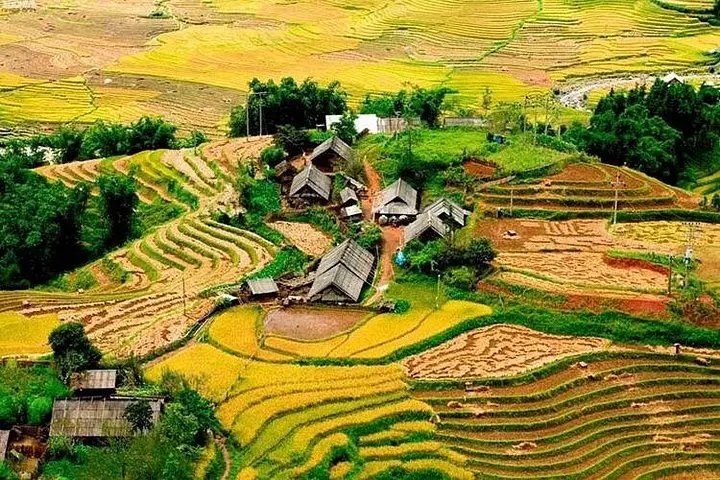
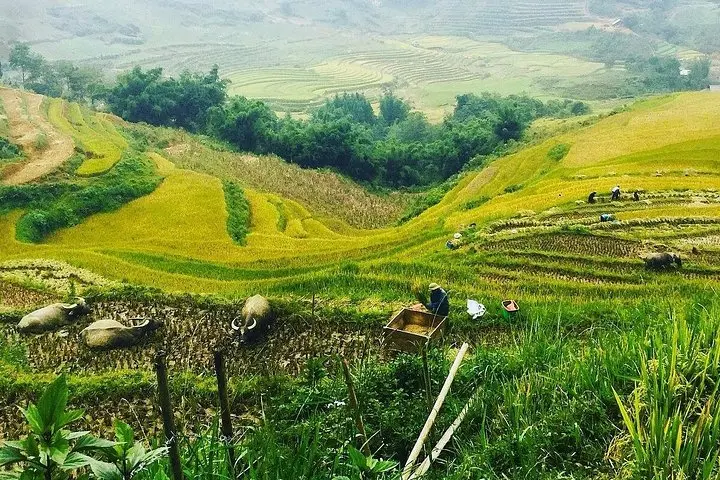
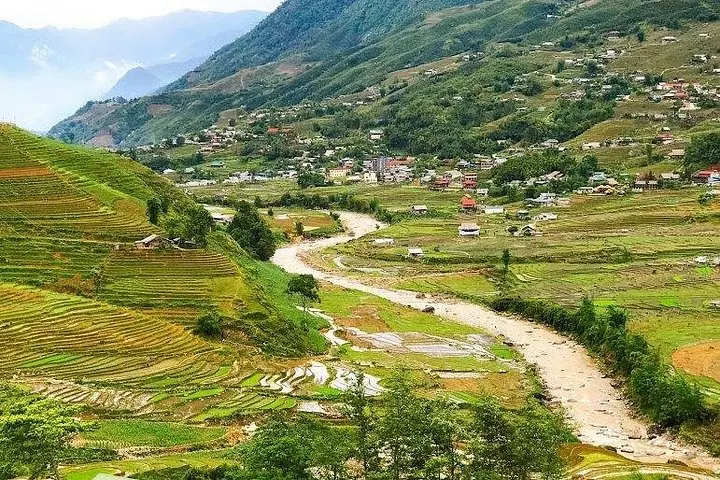
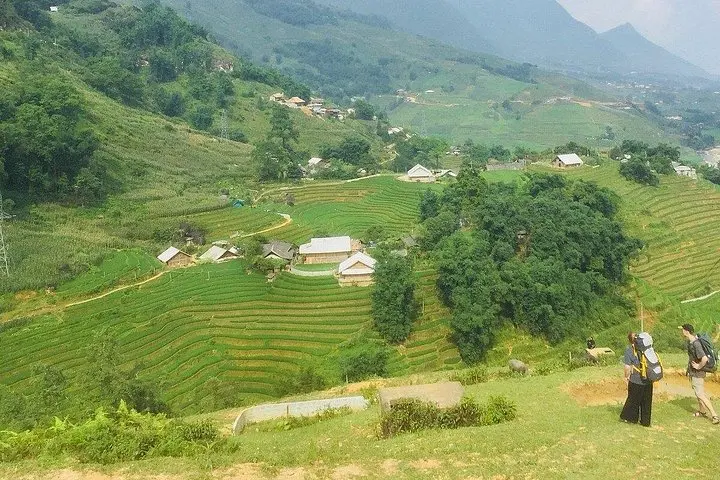
Morning fog lifts like a curtain across the Muong Hoa valley as a sleeper bus rolls into Sapa town and walkers step down into cool, thin air. The first day threads through patchwork rice terraces and narrow paths where H’mong and Tay families tend plots carved into the Hoang Lien Son slopes. By late afternoon the group arrives at a family homestay in Ta Van — a simple wooden house, steaming bowls of local broth, and the slow rhythm of farm life.
Morning fog lifts like a curtain across the Muong Hoa valley as a sleeper bus rolls into Sapa town and walkers step down into cool, thin air. The first day threads through patchwork rice terraces and narrow paths where H’mong and Tay families tend plots carved into the Hoang Lien Son slopes. By late afternoon the group arrives at a family homestay in Ta Van — a simple wooden house, steaming bowls of local broth, and the slow rhythm of farm life.
Sapa’s history mixes French hill-station architecture with centuries of ethnic minority agriculture. The terraces visible from the trail are geological handiwork: steep schist and metamorphic slopes sculpted by human labor into leveled paddies. Cultural notes appear in embroidered jackets and herbal markets; the Red Dzao and H’mong communities maintain techniques of planting and weaving passed down generations.
Practical realities matter: expect 1,500–1,600 m elevation, two days of walking (about 9 km on day one, 4 km on day two), uneven stone paths and occasional stream crossings. Trails can be muddy after rain; fog reduces visibility. Plan for layered clothing, good tread on shoes, and a small daypack with water and snacks. Breakfasts are home-cooked; afternoons offer photo-friendly light across terraces.
This trip gives a rare window into daily mountain farming — not a luxury lodge but an honest exchange: you carry your own gear to the homestay, join simple chores if you like, and leave having walked through working landscapes where people and land still depend on one another.