THE ADVENTURE COLLECTIVE® · Independent discovery and booking for outdoor travel

Walk beneath terraces and cardamom forest on a local-guided loop from Cat Cat to Ta Van. This one-day trek combines valley viewpoints, village culture, and Hoang Lien flora without requiring technical gear.
Walk beneath terraces and cardamom forest on a local-guided loop from Cat Cat to Ta Van. This one-day trek combines valley viewpoints, village culture, and Hoang Lien flora without requiring technical gear.
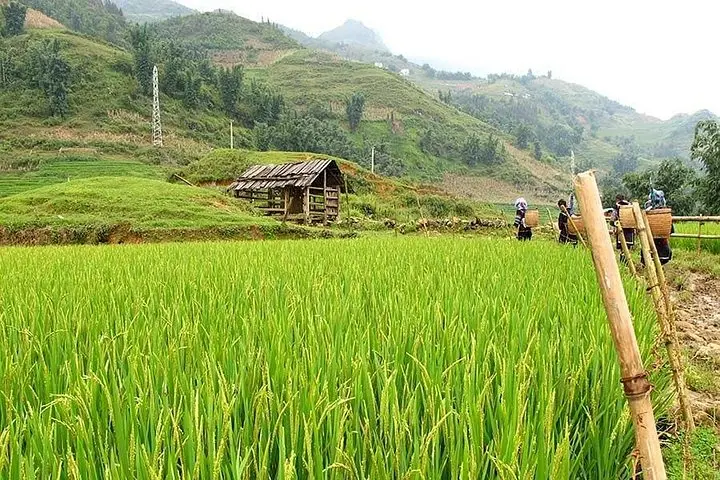
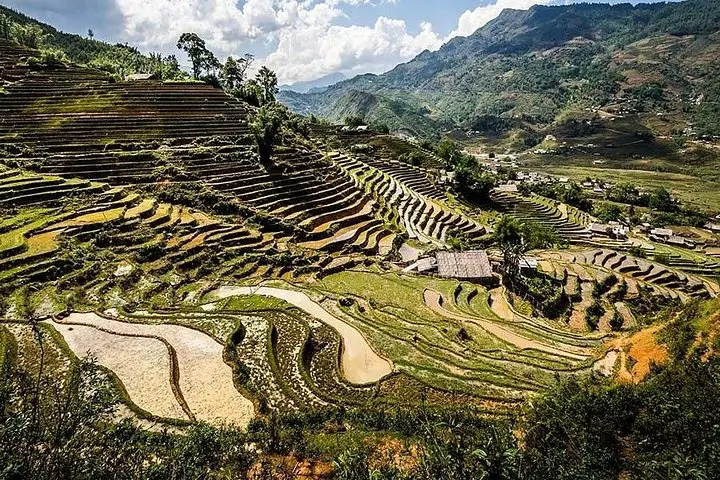
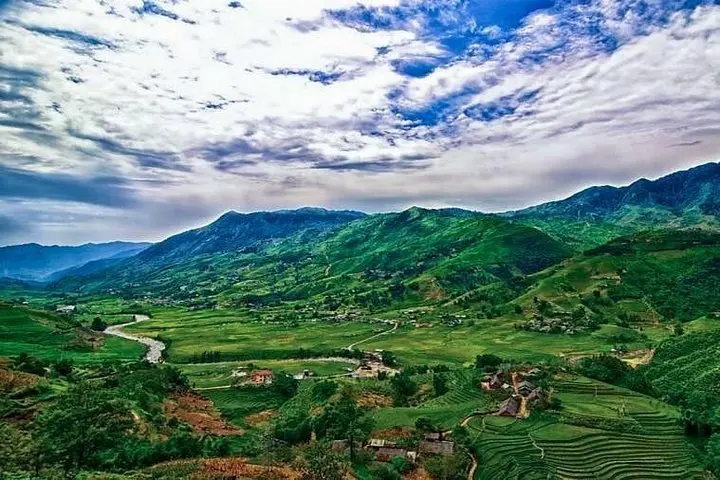
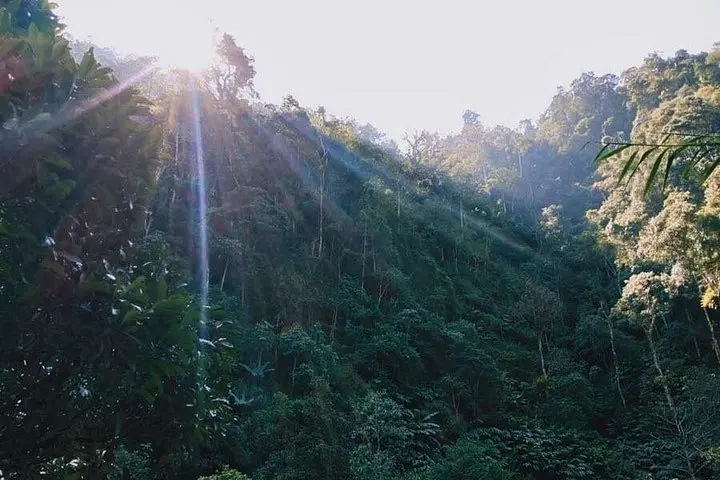
Morning light breaks across serried terraces as you step off the trail and into the Muong Hoa valley. Damp earth, a stream that dares you to follow it, and terraces stacked like green steps lead the way. Your guide takes the lead—this route is a local track rather than a map-marked path—and the town of Sapa falls behind as cardamom forest and small river crossings shape each kilometer.
Verified experiences and guided adventures in the surrounding area.
Operated by Hmong Trip Adventure & Culture · Sapa, Lào Cai
Morning light breaks across serried terraces as you step off the trail and into the Muong Hoa valley. Damp earth, a stream that dares you to follow it, and terraces stacked like green steps lead the way. Your guide takes the lead—this route is a local track rather than a map-marked path—and the town of Sapa falls behind as cardamom forest and small river crossings shape each kilometer.
The walk threads through Cat Cat and Y Linh Ho villages, past a small French-era hydroelectric plant and Tien Sa waterfall, and finishes in the Giay village of Ta Van. Geologically the Hoang Lien range is young and steep, with soils sculpted by centuries of terracing; culturally the valley is an active mosaic of Black Hmong and Giay communities whose houses, costume patterns, and fields reflect a living agricultural system.
Expect dirt lanes, stone steps, meadow viewpoints and occasional slippery roots. The full loop runs within a roughly 6–8 hour window (the operator schedules 7 hours) and covers short, steep sections with steady ascent and descent rather than long alpine climbs.
Practical edge: start early for clearer valley views, bring layered clothing for rapidly changing weather, and keep small-denomination cash for tea or handicrafts in villages. Respect local customs—ask before photographing people—and stick with your local guide where trails are informal. Carry water, a light rain shell, and footwear with good grip; these simple preparations turn a day of rice-field walking into a grounded, memorable encounter with Sapa’s landscape and culture.
The route is suitable for people with basic fitness; expect uneven paths and some steep sections, but no technical climbing.
Sapa sits around 1,500 m; most travelers only feel mild breathlessness—take it steady and inform your guide of any issues.
Facilities in villages are basic; bring hand sanitizer and small change for public restrooms or local cafes.
Local guides are recommended—many trails are unmarked and guides handle navigation, language, and cultural introductions.
Hmong Trip Adventure & Culture operates guided outdoor trips and adventures with an emphasis on safety, stewardship, and memorable experiences.
Morning light breaks across serried terraces as you step off the trail and into the Muong Hoa valley. Damp earth, a stream that dares you to follow it, and terraces stacked like green steps lead the way. Your guide takes the lead—this route is a local track rather than a map-marked path—and the town of Sapa falls behind as cardamom forest and small river crossings shape each kilometer.
Morning light breaks across serried terraces as you step off the trail and into the Muong Hoa valley. Damp earth, a stream that dares you to follow it, and terraces stacked like green steps lead the way. Your guide takes the lead—this route is a local track rather than a map-marked path—and the town of Sapa falls behind as cardamom forest and small river crossings shape each kilometer.
The walk threads through Cat Cat and Y Linh Ho villages, past a small French-era hydroelectric plant and Tien Sa waterfall, and finishes in the Giay village of Ta Van. Geologically the Hoang Lien range is young and steep, with soils sculpted by centuries of terracing; culturally the valley is an active mosaic of Black Hmong and Giay communities whose houses, costume patterns, and fields reflect a living agricultural system.
Expect dirt lanes, stone steps, meadow viewpoints and occasional slippery roots. The full loop runs within a roughly 6–8 hour window (the operator schedules 7 hours) and covers short, steep sections with steady ascent and descent rather than long alpine climbs.
Practical edge: start early for clearer valley views, bring layered clothing for rapidly changing weather, and keep small-denomination cash for tea or handicrafts in villages. Respect local customs—ask before photographing people—and stick with your local guide where trails are informal. Carry water, a light rain shell, and footwear with good grip; these simple preparations turn a day of rice-field walking into a grounded, memorable encounter with Sapa’s landscape and culture.