THE ADVENTURE COLLECTIVE® · Independent discovery and booking for outdoor travel

Two days of upland trails, rice terraces and a local homestay in Muong Hoa Valley. This short trek mixes village culture, bamboo forests and sweeping fansipan views—ideal for travelers with moderate fitness.
Two days of upland trails, rice terraces and a local homestay in Muong Hoa Valley. This short trek mixes village culture, bamboo forests and sweeping fansipan views—ideal for travelers with moderate fitness.
The trail opens with rice terraces sloping like carved steps into the valley, mist clinging to the terraces as fansipan’s jagged silhouette watches from afar. Hikers step onto narrow dirt paths that climb through bamboo groves, cross stony rivulets and thread past wooden homes where smoke rises from evening fires.
Verified experiences and guided adventures in the surrounding area.
Operated by Local Tours SAPA · Sapa, Lao Cai
The trail opens with rice terraces sloping like carved steps into the valley, mist clinging to the terraces as fansipan’s jagged silhouette watches from afar. Hikers step onto narrow dirt paths that climb through bamboo groves, cross stony rivulets and thread past wooden homes where smoke rises from evening fires.
Sapa began as a French hill-station and still carries that layered history: colonial-era villas in town, and centuries-old upland farming traditions in the Muong Hoa Valley. Geologically, the region is highland schist and limestone folded into steep ridges that direct both rainwater and the patterns of terraced cultivation. The trek passes through villages of Hmong, Giay and Red Dao communities—each with distinct dress and practical crafts—so encounters along the route are as much cultural as scenic.
Over two days and roughly 10–12 hours of walking, expect alternating climbs and descents on dirt, stone steps and muddy sections after rain. Highlights include Den Thang ridge viewpoints, bamboo forest ascents to Tavan, and a homestay night where dinner is family-style and stories are exchanged over tea. Practical essentials: pace yourself for altitude (Sapa sits near 1,600–1,800m), carry a waterproof layer, and plan for variable temperatures—warm daytime, cool nights.
Travelers should respect private land and village customs, keep waste packed out, and budget time for photography and village visits. With basic fitness, sturdy shoes and a readiness to walk on uneven, often steep terrain, this route delivers close-up valley views, village life and a hands-on overnight with local hosts.
The trek is moderate: expect several hours of walking each day with mixed climbs and descents on dirt and stone; a moderate level of fitness is recommended.
Bring a warm layer for nights, basic toiletries, modest clothing for village customs, and some cash—homestays provide a bed and meals but not luxury amenities.
Families and older travelers with good mobility can do it, but those with spinal or cardiovascular conditions should avoid strenuous sections; consult the operator first.
Local entrance fees and permits are included in the tour, but confirm with the operator if there are any additional village contributions on arrival.
Local Tours SAPA operates guided outdoor trips and adventures with an emphasis on safety, stewardship, and memorable experiences.
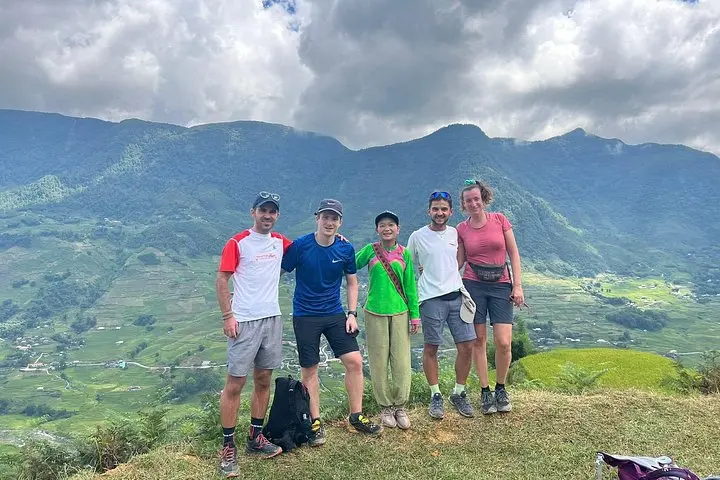
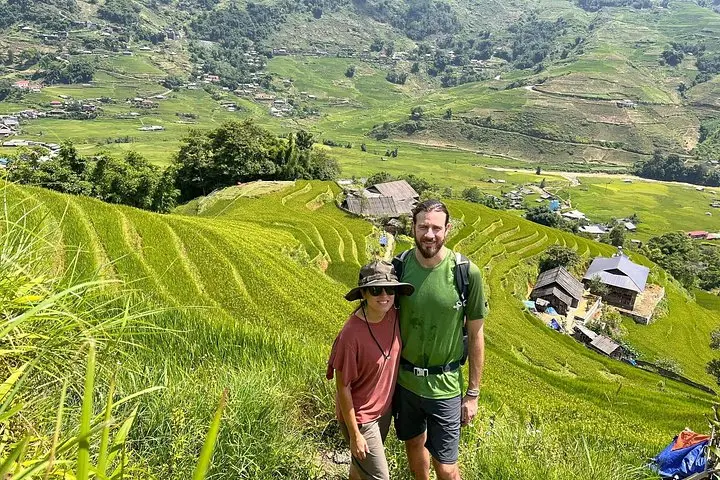
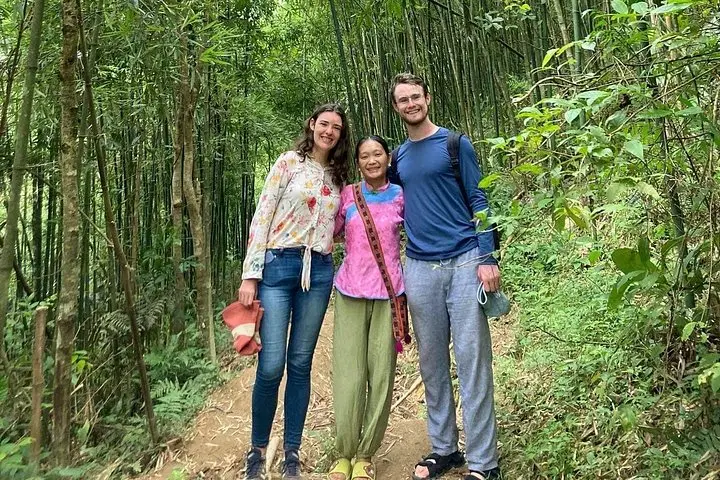
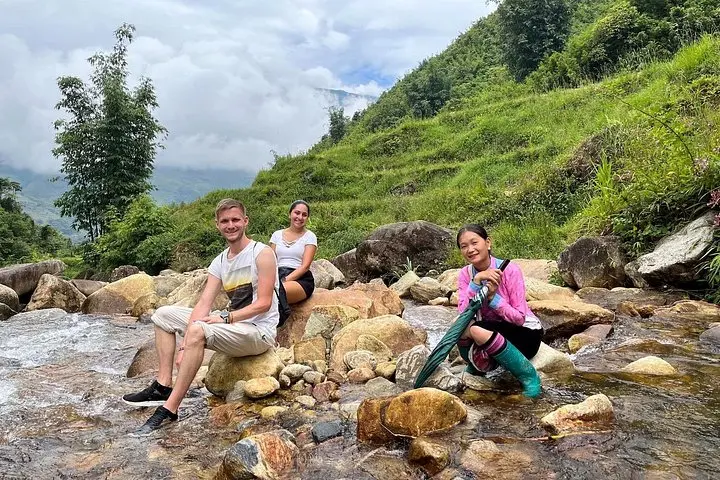
The trail opens with rice terraces sloping like carved steps into the valley, mist clinging to the terraces as fansipan’s jagged silhouette watches from afar. Hikers step onto narrow dirt paths that climb through bamboo groves, cross stony rivulets and thread past wooden homes where smoke rises from evening fires.
The trail opens with rice terraces sloping like carved steps into the valley, mist clinging to the terraces as fansipan’s jagged silhouette watches from afar. Hikers step onto narrow dirt paths that climb through bamboo groves, cross stony rivulets and thread past wooden homes where smoke rises from evening fires.
Sapa began as a French hill-station and still carries that layered history: colonial-era villas in town, and centuries-old upland farming traditions in the Muong Hoa Valley. Geologically, the region is highland schist and limestone folded into steep ridges that direct both rainwater and the patterns of terraced cultivation. The trek passes through villages of Hmong, Giay and Red Dao communities—each with distinct dress and practical crafts—so encounters along the route are as much cultural as scenic.
Over two days and roughly 10–12 hours of walking, expect alternating climbs and descents on dirt, stone steps and muddy sections after rain. Highlights include Den Thang ridge viewpoints, bamboo forest ascents to Tavan, and a homestay night where dinner is family-style and stories are exchanged over tea. Practical essentials: pace yourself for altitude (Sapa sits near 1,600–1,800m), carry a waterproof layer, and plan for variable temperatures—warm daytime, cool nights.
Travelers should respect private land and village customs, keep waste packed out, and budget time for photography and village visits. With basic fitness, sturdy shoes and a readiness to walk on uneven, often steep terrain, this route delivers close-up valley views, village life and a hands-on overnight with local hosts.