THE ADVENTURE COLLECTIVE® · Independent discovery and booking for outdoor travel

A compact 2‑day trek through Muong Hoa Valley, this excursion pairs rice‑terrace views and a homestay night with guided visits to Hmong, Giay and Red Dao villages. Expect 15 km and 16 km days on mixed mountain trails and a panorama from the Hoa Lien Son ridge.
A compact 2‑day trek through Muong Hoa Valley, this excursion pairs rice‑terrace views and a homestay night with guided visits to Hmong, Giay and Red Dao villages. Expect 15 km and 16 km days on mixed mountain trails and a panorama from the Hoa Lien Son ridge.
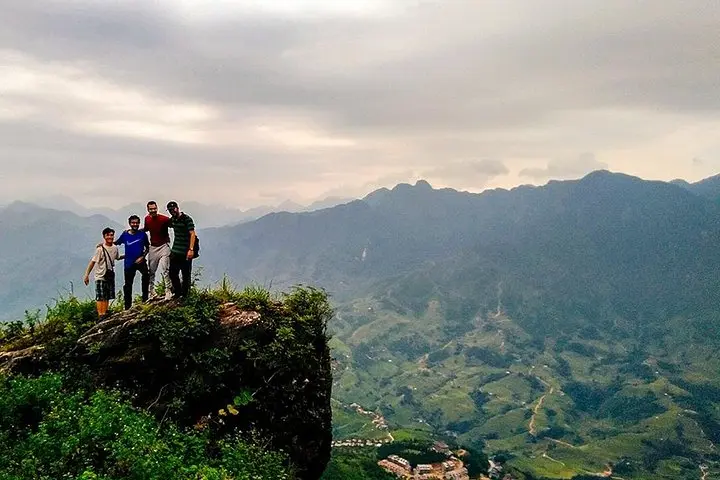
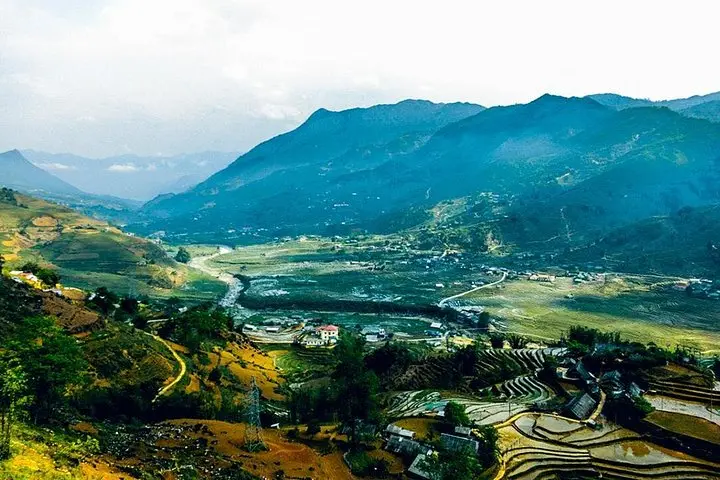
The trail opens with mist lifting off the Muong Hoa valley as you climb a short ridge and the Fansipan massif looms far above, daring you to keep walking.
Verified experiences and guided adventures in the surrounding area.
Operated by Trekking Tour Sapa · Sapa, Lao Cai
The trail opens with mist lifting off the Muong Hoa valley as you climb a short ridge and the Fansipan massif looms far above, daring you to keep walking.
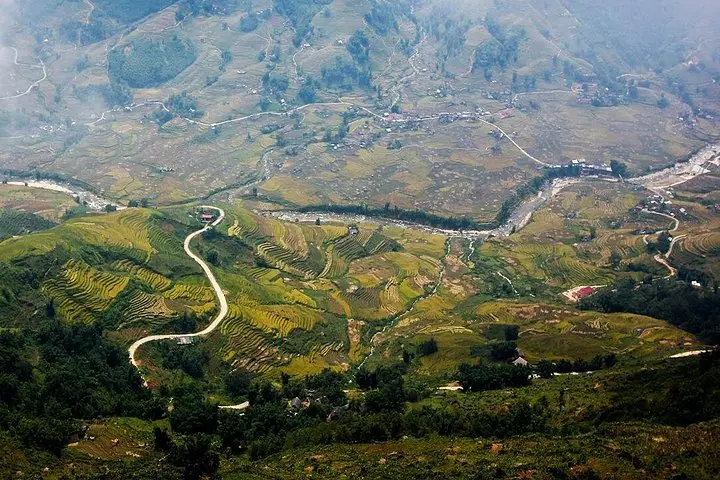
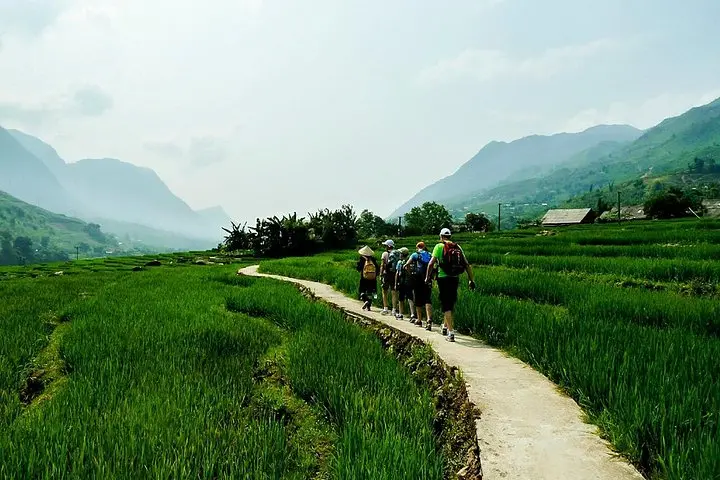
Over two compact days and one shared homestay night, the route threads along mountainside trails, rice terraces carved into steep slopes, and small stone tracks between Hmong, Giay and Red Dao villages. Day one covers about 15 km (≈5.5 hrs) from Sapa toward Hang Da and Hau Thao, dropping to valley floors and crossing small streams; day two adds roughly 16 km (≈6 hrs) with a climb onto the Hoa Lien Son range (≈1,850 m) for sweeping views back over the Muong Hoa river and terraces—about 31 km total of mixed uphill, rocky paths and packed earth.
The landscape reflects both geology and human labor: steep schist and shale slopes shaped by erosion, with centuries of stepped paddies responding to water and gravity. Sapa’s colonial-era town sits at ~1,600 m and cultural life here is defined by daily agricultural rhythms—seasonal planting, harvest, and timber construction techniques you’ll see in village houses.
Practical edge: expect uneven trails and slippery segments after rain, so bring waterproof footwear and at least 2 L of water per day. Homestays are basic—pack a light sleeping liner and modest gifts (tea or small toiletries) to show respect. Start early to avoid afternoon showers, carry cash for small purchases, and follow your guide on village etiquette—remove shoes indoors and ask before photographing people. With moderate fitness and proper preparation, this loop delivers close-up culture, crisp mountain air, and unforgettable terrace panoramas.
Yes—two lunches, one dinner and one breakfast are included; drinks at restaurants and homestays are typically not provided.
Older children used to hiking can manage the route with supervision, but the tour is not recommended for very young children or those unable to walk several hours per day.
Vegetarian options are available; notify the operator in advance for other dietary needs so local kitchens can prepare appropriately.
Accommodation is a shared local homestay with basic facilities; private rooms may be available on request for an extra fee.
Trekking Tour Sapa operates guided outdoor trips and adventures with an emphasis on safety, stewardship, and memorable experiences.
The trail opens with mist lifting off the Muong Hoa valley as you climb a short ridge and the Fansipan massif looms far above, daring you to keep walking.
The trail opens with mist lifting off the Muong Hoa valley as you climb a short ridge and the Fansipan massif looms far above, daring you to keep walking.
Over two compact days and one shared homestay night, the route threads along mountainside trails, rice terraces carved into steep slopes, and small stone tracks between Hmong, Giay and Red Dao villages. Day one covers about 15 km (≈5.5 hrs) from Sapa toward Hang Da and Hau Thao, dropping to valley floors and crossing small streams; day two adds roughly 16 km (≈6 hrs) with a climb onto the Hoa Lien Son range (≈1,850 m) for sweeping views back over the Muong Hoa river and terraces—about 31 km total of mixed uphill, rocky paths and packed earth.
The landscape reflects both geology and human labor: steep schist and shale slopes shaped by erosion, with centuries of stepped paddies responding to water and gravity. Sapa’s colonial-era town sits at ~1,600 m and cultural life here is defined by daily agricultural rhythms—seasonal planting, harvest, and timber construction techniques you’ll see in village houses.
Practical edge: expect uneven trails and slippery segments after rain, so bring waterproof footwear and at least 2 L of water per day. Homestays are basic—pack a light sleeping liner and modest gifts (tea or small toiletries) to show respect. Start early to avoid afternoon showers, carry cash for small purchases, and follow your guide on village etiquette—remove shoes indoors and ask before photographing people. With moderate fitness and proper preparation, this loop delivers close-up culture, crisp mountain air, and unforgettable terrace panoramas.