THE ADVENTURE COLLECTIVE® · Independent discovery and booking for outdoor travel

Walk from Sa Pa through rice terraces and Hmong villages on a guided day trek from Lao Chai to Ta Van. Expect mixed village paths, cultural stops for weaving and lunch, and a return by bus to Sa Pa.
Walk from Sa Pa through rice terraces and Hmong villages on a guided day trek from Lao Chai to Ta Van. Expect mixed village paths, cultural stops for weaving and lunch, and a return by bus to Sa Pa.
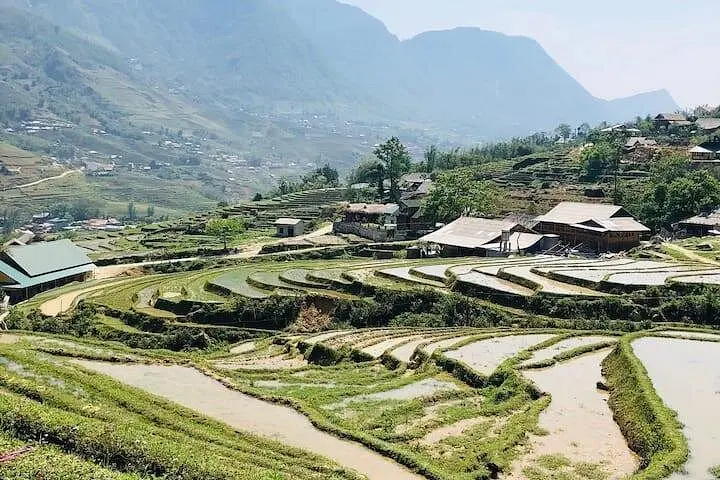
You step away from Sa Pa's stone church at 8 a.m., cool air catching the first light on stepped rice paddies that seem to push the hillside outward. The trail threads between wet terraces, crosses a stream where water buffalo graze without hurry, and climbs short ridgelines that open into broad valley views—this is the rhythm of a day on the Lao Chai–Ta Van route.
Verified experiences and guided adventures in the surrounding area.
Operated by DN Tour · Sa Pa, Lào Cai
You step away from Sa Pa's stone church at 8 a.m., cool air catching the first light on stepped rice paddies that seem to push the hillside outward. The trail threads between wet terraces, crosses a stream where water buffalo graze without hurry, and climbs short ridgelines that open into broad valley views—this is the rhythm of a day on the Lao Chai–Ta Van route.
The Hoang Lien Son foothills here are young, uplifted ranges cut by swift mountain streams; their terraces are human-made geology, carved and maintained by Hmong and Zai communities for generations. Along the way your guide will point out hemp-dyeing and back-strap weaving traditions that remain practical arts as much as cultural markers.
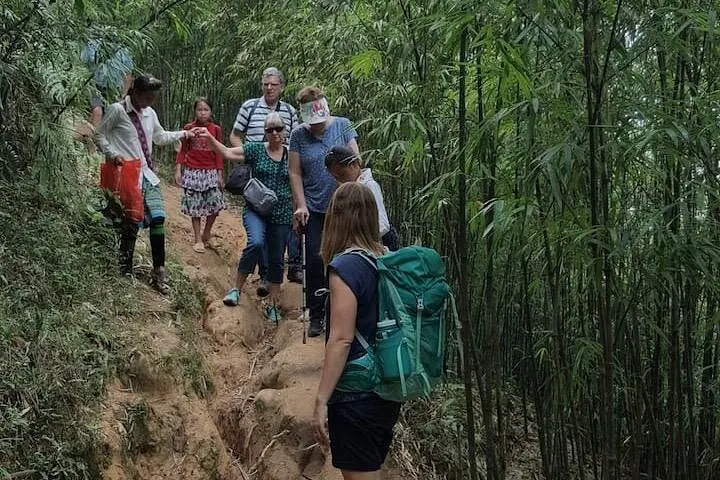
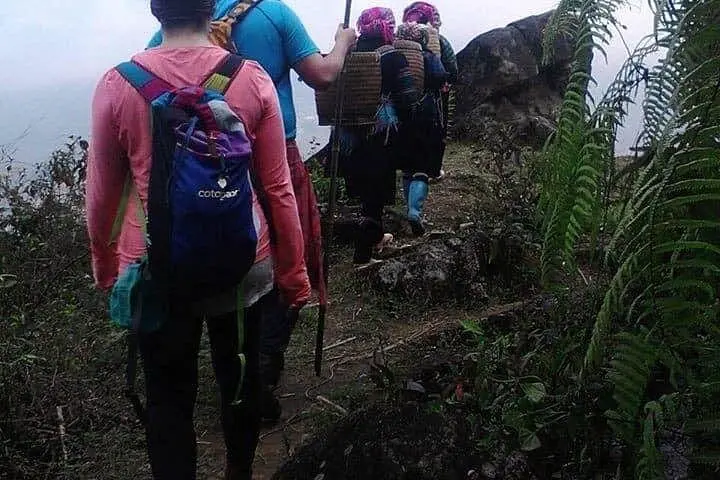
Expect 8–10 km of walking over largely well-worn village paths with intermittent steep sections and stone steps; cumulative elevation changes are moderate and the route finishes lower in Ta Van where a local bus returns you to Sa Pa. You’ll pass through Y Linh Ho and Lao Chai—good spots for a midday meal in a family home or small restaurant—and see ancient wooden houses of the local people.
Practical notes: start early to avoid midday heat and clouds, bring a waterproof layer for sudden mountain rain, and wear grippy shoes for wet terraces. Carry water and small change for tea or gifts; phone signal can be spotty. The best learning comes in conversation—ask about weaving, cropping calendars, and seasonal labor. This trek balances accessible day-hiking with rich cultural contact, ideal for travelers who want scenery and context in a single, manageable day.
The typical route covers about 8–10 km and takes 5–6 hours including stops; terrain is mostly village paths with some short steep sections—moderate fitness is recommended.
Pickup is usually at Sa Pa stone church or your hotel at 8 a.m.; the walk goes through Y Linh Ho and Lao Chai and finishes in Ta Van where a bus returns you to Sa Pa.
Lunch is included as noted; options are a local restaurant in Lao Chai or a simple home-cooked meal in a guide’s house—expect local Vietnamese dishes and tea.
While transportation and some meeting points may be wheelchair-accessible, the trail itself uses uneven, stepped village paths and is not suitable for wheelchairs or travelers with serious mobility limits.
DN Tour operates guided outdoor trips and adventures with an emphasis on safety, stewardship, and memorable experiences.

You step away from Sa Pa's stone church at 8 a.m., cool air catching the first light on stepped rice paddies that seem to push the hillside outward. The trail threads between wet terraces, crosses a stream where water buffalo graze without hurry, and climbs short ridgelines that open into broad valley views—this is the rhythm of a day on the Lao Chai–Ta Van route.
You step away from Sa Pa's stone church at 8 a.m., cool air catching the first light on stepped rice paddies that seem to push the hillside outward. The trail threads between wet terraces, crosses a stream where water buffalo graze without hurry, and climbs short ridgelines that open into broad valley views—this is the rhythm of a day on the Lao Chai–Ta Van route.
The Hoang Lien Son foothills here are young, uplifted ranges cut by swift mountain streams; their terraces are human-made geology, carved and maintained by Hmong and Zai communities for generations. Along the way your guide will point out hemp-dyeing and back-strap weaving traditions that remain practical arts as much as cultural markers.
Expect 8–10 km of walking over largely well-worn village paths with intermittent steep sections and stone steps; cumulative elevation changes are moderate and the route finishes lower in Ta Van where a local bus returns you to Sa Pa. You’ll pass through Y Linh Ho and Lao Chai—good spots for a midday meal in a family home or small restaurant—and see ancient wooden houses of the local people.
Practical notes: start early to avoid midday heat and clouds, bring a waterproof layer for sudden mountain rain, and wear grippy shoes for wet terraces. Carry water and small change for tea or gifts; phone signal can be spotty. The best learning comes in conversation—ask about weaving, cropping calendars, and seasonal labor. This trek balances accessible day-hiking with rich cultural contact, ideal for travelers who want scenery and context in a single, manageable day.