THE ADVENTURE COLLECTIVE® · Independent discovery and booking for outdoor travel

A full-day trek from Sapa through Cat Cat, Y Linh Ho, Lao Chai and Ta Van offers up-close views of Vietnam’s famous rice terraces and a hands-on look at Hmong and Giay village life. Expect 5–6 hours of walking, a local lunch, and easy hotel pickup.
A full-day trek from Sapa through Cat Cat, Y Linh Ho, Lao Chai and Ta Van offers up-close views of Vietnam’s famous rice terraces and a hands-on look at Hmong and Giay village life. Expect 5–6 hours of walking, a local lunch, and easy hotel pickup.
Fog lifts off the valley as the group steps away from Sapa’s church square; the Muong Hoa River below dares you to follow its curves while terraces climb the hills like stepped fields of green and gold. The trail drops toward Cat Cat village, crosses a hanging bridge, then threads bamboo groves and switchbacks that expose wide views of the Hoang Lien foothills. Villages appear—stone and wood houses, children watching the line of trekkers—each community offering a different angle on daily life.
Verified experiences and guided adventures in the surrounding area.
Operated by Trekking Tour Sapa · Sapa, Lao Cai
Fog lifts off the valley as the group steps away from Sapa’s church square; the Muong Hoa River below dares you to follow its curves while terraces climb the hills like stepped fields of green and gold. The trail drops toward Cat Cat village, crosses a hanging bridge, then threads bamboo groves and switchbacks that expose wide views of the Hoang Lien foothills. Villages appear—stone and wood houses, children watching the line of trekkers—each community offering a different angle on daily life.
Geology here is young mountain country: steep slopes carved by rivers and uplifts of the Hoang Lien range, with terraces built over generations to hold water and soil. Culturally, the hike moves through Hmong, Black Hmong and Giay areas; guides explain marriage customs, house-building techniques and rice cultivation that define rhythms of the valley. The route is practical and human-scaled—people-shaped fields, footpaths and small temples punctuate the landscape.
Expect 5–6 hours on trail, roughly 8–12 km with intermittent climbs totaling a few hundred meters of elevation change. Terrain ranges from dirt tracks and stone steps to muddy patches after rain. Bring sturdy footwear, layered clothing and modest behavior in villages: ask before photographing and accept local hospitality with a small purchase or donation.
Logistics are straightforward—hotel pickup in Sapa, local lunch in a family-run house, and return transport to town. This day trek blends scenery, culture and manageable exertion: it’s an accessible way to move through Viet Nam’s mountain agriculture and meet the people who keep it alive.
The route is suitable for beginners with moderate fitness—expect uneven terrain and several short climbs; guides adjust pace for groups.
Yes; the tour notes village entry fees are included and lunch at a local house is provided.
Carry small bills for souvenirs, snacks or tips—local vendors and families prefer Vietnamese dong.
The tour’s cancellation policy allows a full refund if canceled more than 24 hours before departure; heavy rain may make trails slippery but tours typically continue unless unsafe.
Trekking Tour Sapa operates guided outdoor trips and adventures with an emphasis on safety, stewardship, and memorable experiences.
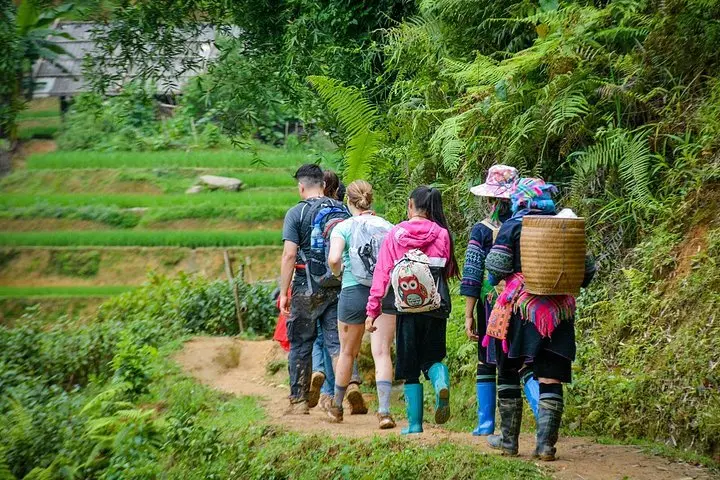
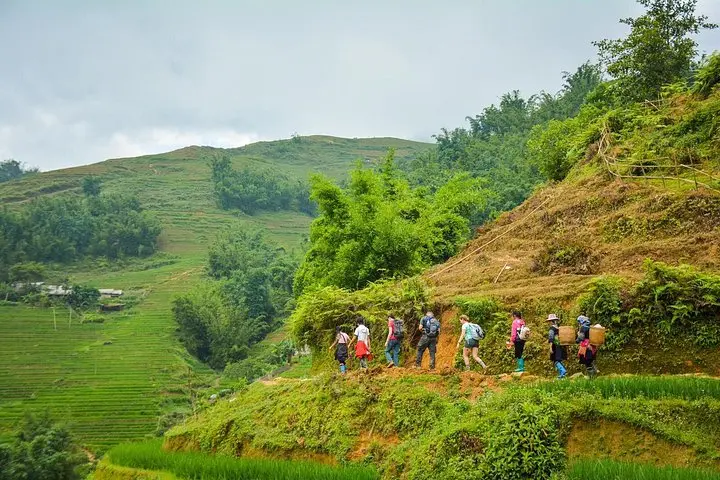
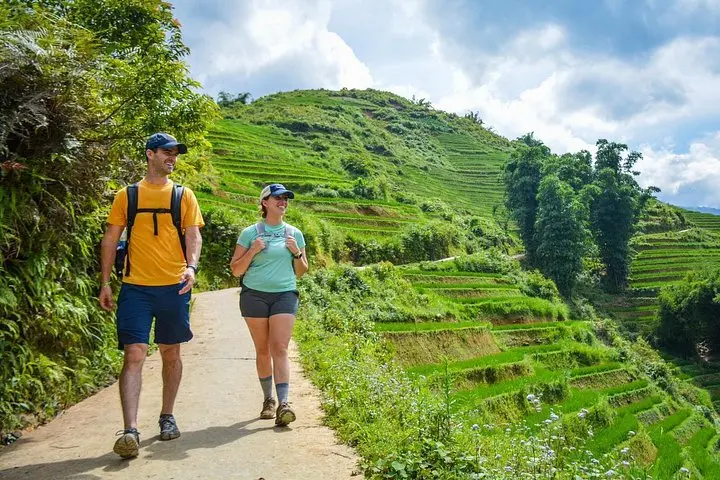
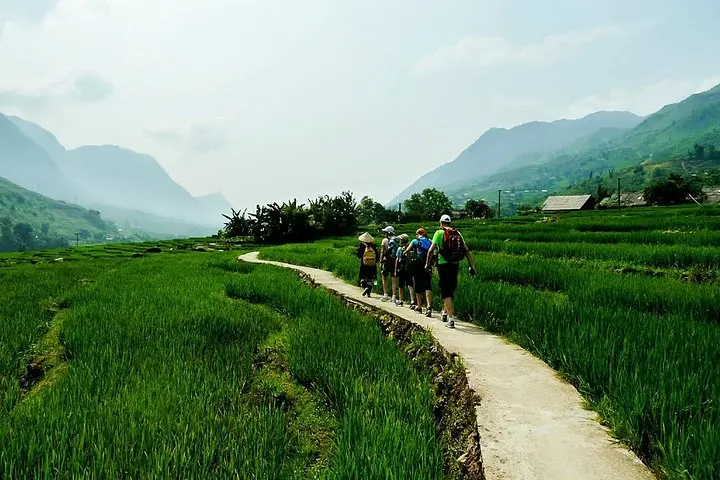
Fog lifts off the valley as the group steps away from Sapa’s church square; the Muong Hoa River below dares you to follow its curves while terraces climb the hills like stepped fields of green and gold. The trail drops toward Cat Cat village, crosses a hanging bridge, then threads bamboo groves and switchbacks that expose wide views of the Hoang Lien foothills. Villages appear—stone and wood houses, children watching the line of trekkers—each community offering a different angle on daily life.
Fog lifts off the valley as the group steps away from Sapa’s church square; the Muong Hoa River below dares you to follow its curves while terraces climb the hills like stepped fields of green and gold. The trail drops toward Cat Cat village, crosses a hanging bridge, then threads bamboo groves and switchbacks that expose wide views of the Hoang Lien foothills. Villages appear—stone and wood houses, children watching the line of trekkers—each community offering a different angle on daily life.
Geology here is young mountain country: steep slopes carved by rivers and uplifts of the Hoang Lien range, with terraces built over generations to hold water and soil. Culturally, the hike moves through Hmong, Black Hmong and Giay areas; guides explain marriage customs, house-building techniques and rice cultivation that define rhythms of the valley. The route is practical and human-scaled—people-shaped fields, footpaths and small temples punctuate the landscape.
Expect 5–6 hours on trail, roughly 8–12 km with intermittent climbs totaling a few hundred meters of elevation change. Terrain ranges from dirt tracks and stone steps to muddy patches after rain. Bring sturdy footwear, layered clothing and modest behavior in villages: ask before photographing and accept local hospitality with a small purchase or donation.
Logistics are straightforward—hotel pickup in Sapa, local lunch in a family-run house, and return transport to town. This day trek blends scenery, culture and manageable exertion: it’s an accessible way to move through Viet Nam’s mountain agriculture and meet the people who keep it alive.