THE ADVENTURE COLLECTIVE® · Independent discovery and booking for outdoor travel

Spend a full day trekking from Sapa through Muong Hoa Valley to Lao Chai village, walking past layered rice terraces, mountain streams, and local homes. A local ethnic guide explains culture and farming practices before a riverside lunch and shuttle back to town.
Spend a full day trekking from Sapa through Muong Hoa Valley to Lao Chai village, walking past layered rice terraces, mountain streams, and local homes. A local ethnic guide explains culture and farming practices before a riverside lunch and shuttle back to town.
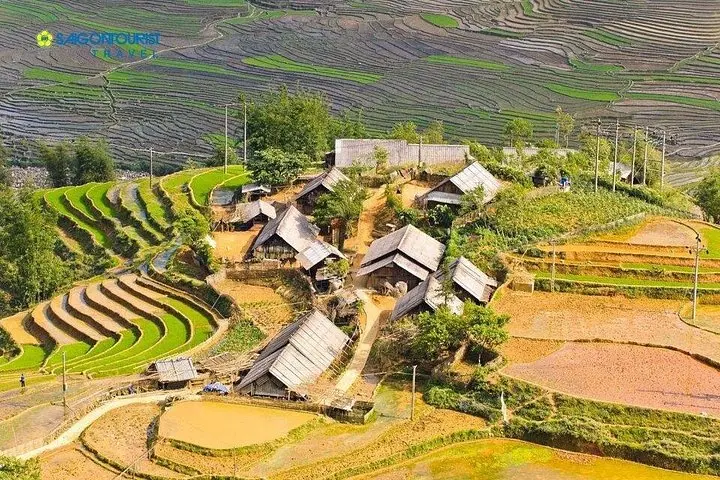
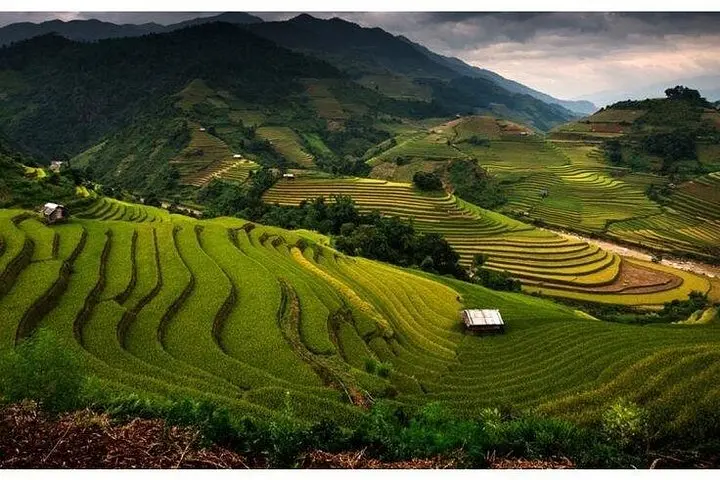
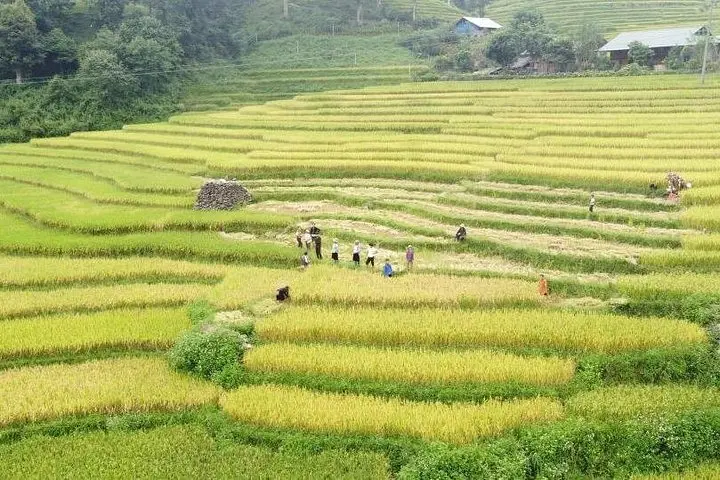
Cold mountain air meets the first steps of a trail that threads between carved rice benches and rushing stream. On this day hike from Sapa, guides from local ethnic groups lead small groups out of town along the Muong Hoa–Y Linh Ho corridor, where terraces step down the Hoang Lien Son slopes and the sound of water sets the pace.
Verified experiences and guided adventures in the surrounding area.
Operated by Bay Mau Tour · Sapa, Lao Cai
Cold mountain air meets the first steps of a trail that threads between carved rice benches and rushing stream. On this day hike from Sapa, guides from local ethnic groups lead small groups out of town along the Muong Hoa–Y Linh Ho corridor, where terraces step down the Hoang Lien Son slopes and the sound of water sets the pace.
The Hoang Lien Son massif, whose highest point is Fansipan, shapes the weather and soil here; farmers have cut steep terraces into those slopes for generations. The trek passes Black Hmong and Zay villages where traditional indigo cloth and hand-stitched garments are part of daily life. You may see old stone Muong Hoa carvings and simple irrigation channels that reveal how people have adapted to steep terrain.
Expect six to seven hours on trail, roughly 8–12 km with intermittent climbs and descents of a few hundred meters. Paths shift from packed dirt and stone steps to muddy farm tracks after rain; a short waterfall stop and a riverside lunch at a local home break the route. A local guide handles navigation, village introductions, and the shuttle back to Sapa.
Practical notes: wear grippy hiking shoes and bring layers; the valley can be foggy in the morning and suddenly warm by midday. Carry water, small bills for purchases or donations, and modest clothing out of respect for village customs. Start early for clearer views and quieter trails; if conditions are wet, expect slow footing and bring a rain shell. This trek combines landscape, culture, and straightforward logistics into a full-day introduction to Sapa’s highland life.
The tour runs about 6–7 hours covering roughly 8–12 km with rolling climbs and descents—rated moderate and suitable for most people in reasonable health.
Yes—guides are from local ethnic groups and provide cultural context; they often speak Vietnamese and some English to facilitate the visit.
Families and older travelers can join if comfortable with several hours of walking; those with serious mobility or spinal issues should avoid the route.
Bring small cash for purchases or donations, a modest camera policy (ask before shooting), and simple gifts if you wish—packaged snacks or school supplies are appreciated.
Bay Mau Tour operates guided outdoor trips and adventures with an emphasis on safety, stewardship, and memorable experiences.

Cold mountain air meets the first steps of a trail that threads between carved rice benches and rushing stream. On this day hike from Sapa, guides from local ethnic groups lead small groups out of town along the Muong Hoa–Y Linh Ho corridor, where terraces step down the Hoang Lien Son slopes and the sound of water sets the pace.
Cold mountain air meets the first steps of a trail that threads between carved rice benches and rushing stream. On this day hike from Sapa, guides from local ethnic groups lead small groups out of town along the Muong Hoa–Y Linh Ho corridor, where terraces step down the Hoang Lien Son slopes and the sound of water sets the pace.
The Hoang Lien Son massif, whose highest point is Fansipan, shapes the weather and soil here; farmers have cut steep terraces into those slopes for generations. The trek passes Black Hmong and Zay villages where traditional indigo cloth and hand-stitched garments are part of daily life. You may see old stone Muong Hoa carvings and simple irrigation channels that reveal how people have adapted to steep terrain.
Expect six to seven hours on trail, roughly 8–12 km with intermittent climbs and descents of a few hundred meters. Paths shift from packed dirt and stone steps to muddy farm tracks after rain; a short waterfall stop and a riverside lunch at a local home break the route. A local guide handles navigation, village introductions, and the shuttle back to Sapa.
Practical notes: wear grippy hiking shoes and bring layers; the valley can be foggy in the morning and suddenly warm by midday. Carry water, small bills for purchases or donations, and modest clothing out of respect for village customs. Start early for clearer views and quieter trails; if conditions are wet, expect slow footing and bring a rain shell. This trek combines landscape, culture, and straightforward logistics into a full-day introduction to Sapa’s highland life.