THE ADVENTURE COLLECTIVE® · Independent discovery and booking for outdoor travel

Move from misted rice terraces to the colorful chaos of Bac Ha’s Sunday market on this private 3–4 day trek. Expect homestays, uneven mountain trails and close encounters with H’mong and Red Dao village life.
Move from misted rice terraces to the colorful chaos of Bac Ha’s Sunday market on this private 3–4 day trek. Expect homestays, uneven mountain trails and close encounters with H’mong and Red Dao village life.
Fog slinks down the terraces at dawn and the train huffs into Lao Cai; by the time the valley opens, the air smells of wet earth and wood smoke. This private 3–4 day tour threads through rice-carved slopes, minority villages and the riotous Sunday market of Bac Ha, moving at a human pace—on foot, by local bus and overnight in family run homestays.
Verified experiences and guided adventures in the surrounding area.
Operated by Vietnam Blue Tours · Sapa, Lao Cai
Fog slinks down the terraces at dawn and the train huffs into Lao Cai; by the time the valley opens, the air smells of wet earth and wood smoke. This private 3–4 day tour threads through rice-carved slopes, minority villages and the riotous Sunday market of Bac Ha, moving at a human pace—on foot, by local bus and overnight in family run homestays.
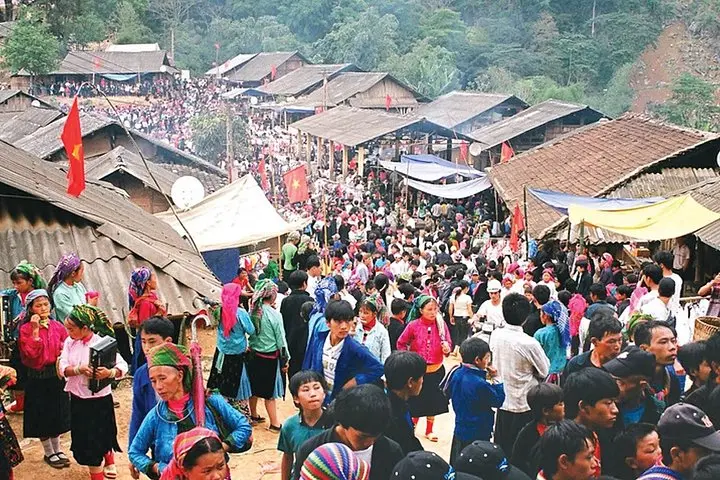
Sapa sits on the Hoang Lien Range, a highland formed by tectonic uplift where limestone and shale fold into steep terraces. The French developed Sapa as a hill station in the early 20th century, and those colonial contours still shape trails and old buildings. The route passes Lao Chai, Ta Van and Giang Ta Chai villages—home to H’mong, Dzay and Red Dao communities—each with distinct dress, language and agricultural rhythms. Bac Ha’s Sunday market is both commerce and ceremony: traders from at least eight ethnic groups trade textiles, livestock and food, preserving social ties that predate modern borders.
Practical guidance: expect 8–12 km trekking days on uneven, sometimes muddy trails with 300–600 m cumulative elevation changes. Nights alternate between simple homestays and soft-sleeper overnight trains; bring layered clothing, waterproofs and modest gifts (tea, salt, school supplies) if you plan to visit family homes. Plan for early mornings to catch market activity and always follow your guide’s advice on river crossings and local customs.
Trekking days typically cover 8–12 km with rolling climbs and descents; moderate fitness and sturdy shoes make the walks comfortable.
Homestays are family-run, simple accommodations—shared rooms, squat or western toilets vary—meals are local and communal.
Visitors should check Vietnam entry and visa requirements in advance; no special trekking permits are required for these village trails.
Bac Ha’s main market runs Sunday from about 9:00 AM to 2:00 PM, with peak activity in the morning.
Vietnam Blue Tours operates guided outdoor trips and adventures with an emphasis on safety, stewardship, and memorable experiences.
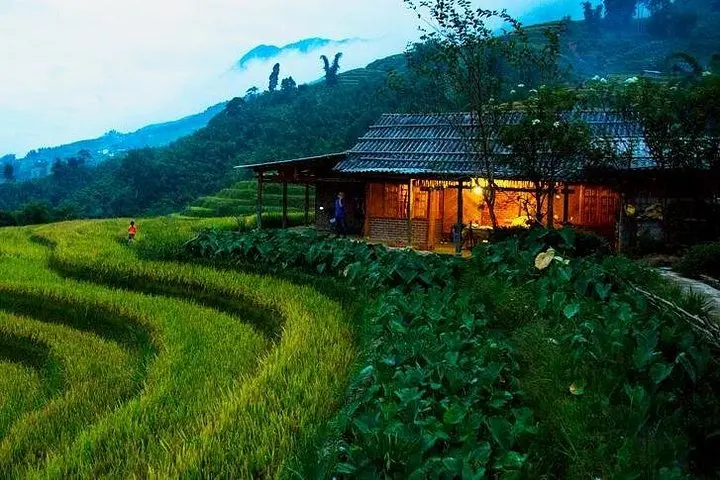
Fog slinks down the terraces at dawn and the train huffs into Lao Cai; by the time the valley opens, the air smells of wet earth and wood smoke. This private 3–4 day tour threads through rice-carved slopes, minority villages and the riotous Sunday market of Bac Ha, moving at a human pace—on foot, by local bus and overnight in family run homestays.
Fog slinks down the terraces at dawn and the train huffs into Lao Cai; by the time the valley opens, the air smells of wet earth and wood smoke. This private 3–4 day tour threads through rice-carved slopes, minority villages and the riotous Sunday market of Bac Ha, moving at a human pace—on foot, by local bus and overnight in family run homestays.
Sapa sits on the Hoang Lien Range, a highland formed by tectonic uplift where limestone and shale fold into steep terraces. The French developed Sapa as a hill station in the early 20th century, and those colonial contours still shape trails and old buildings. The route passes Lao Chai, Ta Van and Giang Ta Chai villages—home to H’mong, Dzay and Red Dao communities—each with distinct dress, language and agricultural rhythms. Bac Ha’s Sunday market is both commerce and ceremony: traders from at least eight ethnic groups trade textiles, livestock and food, preserving social ties that predate modern borders.
Practical guidance: expect 8–12 km trekking days on uneven, sometimes muddy trails with 300–600 m cumulative elevation changes. Nights alternate between simple homestays and soft-sleeper overnight trains; bring layered clothing, waterproofs and modest gifts (tea, salt, school supplies) if you plan to visit family homes. Plan for early mornings to catch market activity and always follow your guide’s advice on river crossings and local customs.