THE ADVENTURE COLLECTIVE® · Independent discovery and booking for outdoor travel

A compact, scenic descent into Cat Cat Village offers an intimate look at Black Hmong life, French-era ruins, and terraced rice fields—all within a half-day guided walk from Sapa. Practical route details and local tips help you plan the perfect afternoon outing.
A compact, scenic descent into Cat Cat Village offers an intimate look at Black Hmong life, French-era ruins, and terraced rice fields—all within a half-day guided walk from Sapa. Practical route details and local tips help you plan the perfect afternoon outing.
You step off Sapa’s compact main street and the world opens into terraced green—the Muong Hoa Valley seems to breathe around you as the trail drops toward Cat Cat Village.
Verified experiences and guided adventures in the surrounding area.
Operated by Authentic HA GIANG · Sapa, Lao Cai
You step off Sapa’s compact main street and the world opens into terraced green—the Muong Hoa Valley seems to breathe around you as the trail drops toward Cat Cat Village.
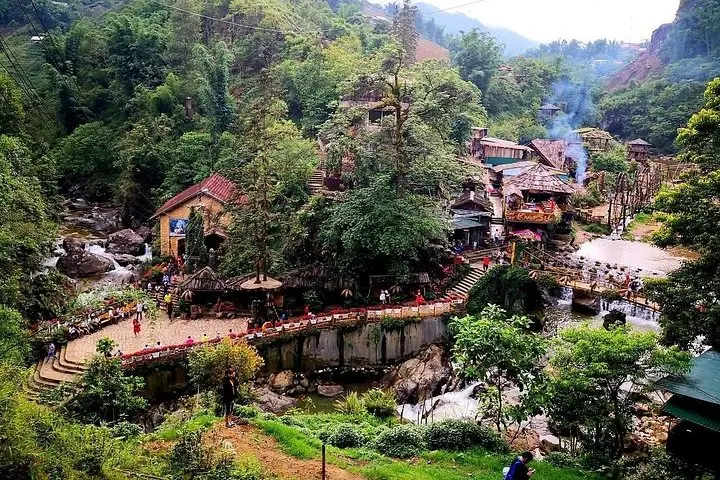
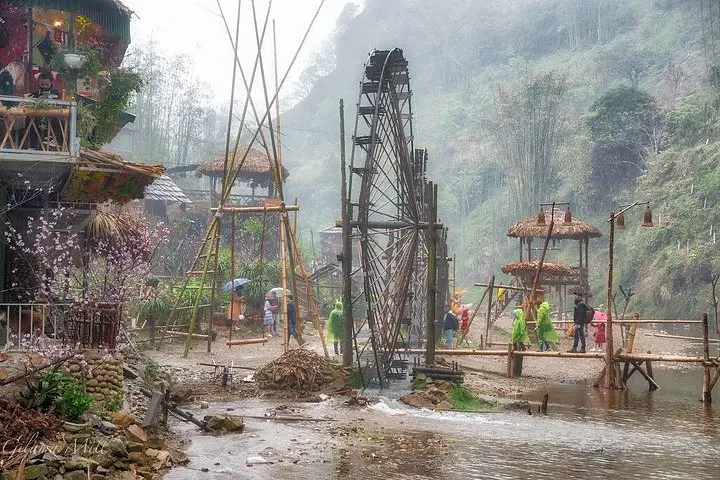
The path threads past rice benches and small wooden houses where looms click and children wave. Cat Cat is a living village of the Black Hmong people at the foot of Fansipan; French engineers left a small hydraulic station and a stone bridge here in the early 20th century, relics that punctuate the landscape and hint at the region’s colonial past.
Geologically, you’re descending a steep, folded valley carved by streams that still push sediment into the terraces. Culture is immediate: traditional indigo and embroidery for sale, rice-drying racks, and seasonal planting rhythms that govern daily life. Sound is part of the hike—waterfall roar, livestock calls, and the clap of wooden shutters.
The guided loop is short but varied: roughly 2.5 km of mostly descending stone steps and dirt track, about two hours on foot with photo stops at the waterfall and old power-house ruins. Wear grippy shoes; rain can make stone slippery. Bring water and small bills for entrance and handicrafts. Guides handle logistics and arrange a return bus to Sapa, so this is a straightforward half-day excursion for most travelers.
Timing matters—afternoons light softens the valley, but mornings are quieter for photos. Respect private spaces, ask before photographing people, and consider a locally run cafe or purchase from artisans to keep tourism benefits flowing into the community.
The guided route is about 2.5 km on foot and takes roughly two hours of walking with steps and uneven terrain; overall the tour lasts about 3–3.5 hours including transfers.
Yes—it's rated easy and accessible for most ages, but those with limited mobility should note the steep steps and terrain when descending into the valley.
Entrance to Cat Cat Village and a local English-speaking guide are included; pick-up from Sapa and a return bus from the village back to Sapa are typically provided as part of the tour.
Wear closed-toe shoes with grip, layered clothing for variable mountain weather, a rain shell in wet season, water, and small local currency for purchases.
Authentic HA GIANG operates guided outdoor trips and adventures with an emphasis on safety, stewardship, and memorable experiences.

You step off Sapa’s compact main street and the world opens into terraced green—the Muong Hoa Valley seems to breathe around you as the trail drops toward Cat Cat Village.
You step off Sapa’s compact main street and the world opens into terraced green—the Muong Hoa Valley seems to breathe around you as the trail drops toward Cat Cat Village.
The path threads past rice benches and small wooden houses where looms click and children wave. Cat Cat is a living village of the Black Hmong people at the foot of Fansipan; French engineers left a small hydraulic station and a stone bridge here in the early 20th century, relics that punctuate the landscape and hint at the region’s colonial past.
Geologically, you’re descending a steep, folded valley carved by streams that still push sediment into the terraces. Culture is immediate: traditional indigo and embroidery for sale, rice-drying racks, and seasonal planting rhythms that govern daily life. Sound is part of the hike—waterfall roar, livestock calls, and the clap of wooden shutters.
The guided loop is short but varied: roughly 2.5 km of mostly descending stone steps and dirt track, about two hours on foot with photo stops at the waterfall and old power-house ruins. Wear grippy shoes; rain can make stone slippery. Bring water and small bills for entrance and handicrafts. Guides handle logistics and arrange a return bus to Sapa, so this is a straightforward half-day excursion for most travelers.
Timing matters—afternoons light softens the valley, but mornings are quieter for photos. Respect private spaces, ask before photographing people, and consider a locally run cafe or purchase from artisans to keep tourism benefits flowing into the community.