THE ADVENTURE COLLECTIVE® · Independent discovery and booking for outdoor travel

Travel from Hanoi by overnight train to a three-day trek through Muong Hoa valley, staying one night in a Dzay homestay and another in a mountain-view hotel. Hike 6–9 km days across terraces, bamboo forest and village trails while learning about H’mong and Red Dao life.
Travel from Hanoi by overnight train to a three-day trek through Muong Hoa valley, staying one night in a Dzay homestay and another in a mountain-view hotel. Hike 6–9 km days across terraces, bamboo forest and village trails while learning about H’mong and Red Dao life.
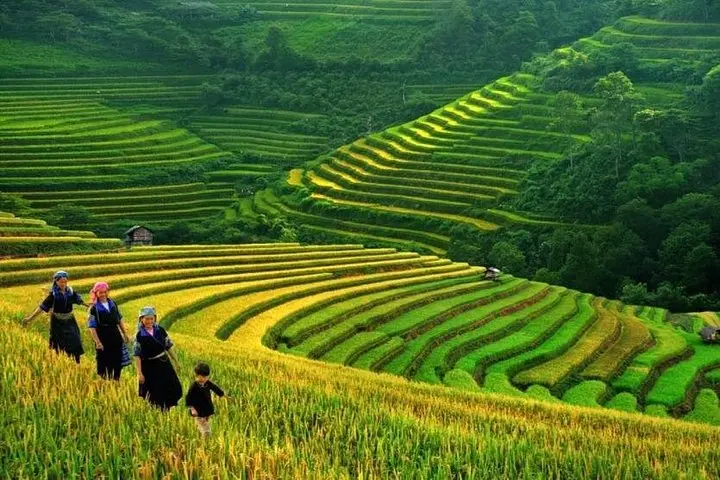
Dawn breaks over high terraces and mist that rolls like a restless river through the Muong Hoa valley — this is where the Sapa trek begins. You step off an overnight train at Lao Cai, climb into a minivan that threads uphill toward thin-air villages, then set out on foot into ribbed rice fields, bamboo gullies and stone paths worn by generations.
Verified experiences and guided adventures in the surrounding area.
Operated by Crossing Vietnam Tour · Sapa, Lao Cai
Dawn breaks over high terraces and mist that rolls like a restless river through the Muong Hoa valley — this is where the Sapa trek begins. You step off an overnight train at Lao Cai, climb into a minivan that threads uphill toward thin-air villages, then set out on foot into ribbed rice fields, bamboo gullies and stone paths worn by generations.
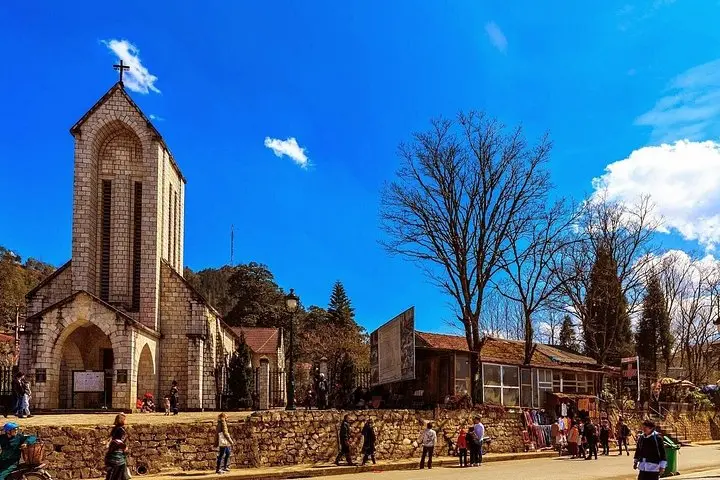
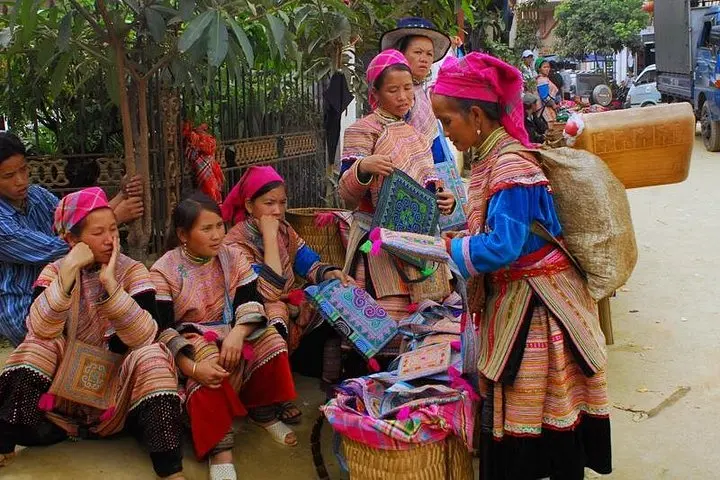
The Hoang Lien Son range, carved from ancient uplift and seasonal monsoon, produces the steep terraces and frequent fog that define Sapa. The region’s cultural landscape belongs to H’mong, Red Dao and Dzay communities whose houses, indigo textiles and shifting crop cycles map centuries of upland life. You’ll pass French-era hydro works at Cat Cat and cross suspension bridges used daily by villagers.
Expect 6–9 km walking days on uneven, sometimes muddy trails; one night spent in a local homestay in Ta Van and another in a mountain-view hotel in Sapa town. Trails move from valley bottoms to wooded saddles and bamboo groves, where the forest seems to push you forward and the river dares you to slow down. Guides translate not only language but context — how terraces feed families and why altitude shapes habit.
Practical notes: layered clothing and sturdy trekking shoes matter more than speed; Sapa’s weather shifts fast and mornings are often cold and foggy. Carry cash in VND for small purchases, bring basic medicines, and be prepared for simple homestay facilities. Plan for early starts, moderate ascents and regular rest breaks — the route rewards steady steps with expansive mountain views and direct encounters with local life.
Expect moderate effort: 6–9 km per walking day on uneven terrain with short climbs and descents; pace is steady and includes stops with a guide.
Homestays are basic: simple beds, shared facilities and home-cooked meals that offer direct cultural exchange rather than hotel comforts.
Sapa sits around 1,500–1,600 m; most travelers adapt quickly but fog and cooler temps are common — stay hydrated and layer clothing.
Visa and vaccination rules depend on nationality; check Vietnam’s entry requirements and routine travel vaccinations before departure.
Crossing Vietnam Tour operates guided outdoor trips and adventures with an emphasis on safety, stewardship, and memorable experiences.

Dawn breaks over high terraces and mist that rolls like a restless river through the Muong Hoa valley — this is where the Sapa trek begins. You step off an overnight train at Lao Cai, climb into a minivan that threads uphill toward thin-air villages, then set out on foot into ribbed rice fields, bamboo gullies and stone paths worn by generations.
Dawn breaks over high terraces and mist that rolls like a restless river through the Muong Hoa valley — this is where the Sapa trek begins. You step off an overnight train at Lao Cai, climb into a minivan that threads uphill toward thin-air villages, then set out on foot into ribbed rice fields, bamboo gullies and stone paths worn by generations.
The Hoang Lien Son range, carved from ancient uplift and seasonal monsoon, produces the steep terraces and frequent fog that define Sapa. The region’s cultural landscape belongs to H’mong, Red Dao and Dzay communities whose houses, indigo textiles and shifting crop cycles map centuries of upland life. You’ll pass French-era hydro works at Cat Cat and cross suspension bridges used daily by villagers.
Expect 6–9 km walking days on uneven, sometimes muddy trails; one night spent in a local homestay in Ta Van and another in a mountain-view hotel in Sapa town. Trails move from valley bottoms to wooded saddles and bamboo groves, where the forest seems to push you forward and the river dares you to slow down. Guides translate not only language but context — how terraces feed families and why altitude shapes habit.
Practical notes: layered clothing and sturdy trekking shoes matter more than speed; Sapa’s weather shifts fast and mornings are often cold and foggy. Carry cash in VND for small purchases, bring basic medicines, and be prepared for simple homestay facilities. Plan for early starts, moderate ascents and regular rest breaks — the route rewards steady steps with expansive mountain views and direct encounters with local life.