THE ADVENTURE COLLECTIVE® · Independent discovery and booking for outdoor travel

Two days of accessible trekking from Hanoi to Sapa: explore Cat Cat village, Muong Hoa valley and rice terraces with guided walks and overnight hotel comfort. Ideal for travelers who want a compact, well-supported introduction to Sapa’s landscapes and cultures.
Two days of accessible trekking from Hanoi to Sapa: explore Cat Cat village, Muong Hoa valley and rice terraces with guided walks and overnight hotel comfort. Ideal for travelers who want a compact, well-supported introduction to Sapa’s landscapes and cultures.
Dawn breaks over serrated ridgelines as the bus descends into Sapa, steam rising from tea gardens and terraces stretching like carved steps down the slopes. On day one the route slips into Cat Cat’s steep valley—stone paths, a small waterfall and the echo of clacking looms—before returning to town for a night in a simple hotel. Day two opens onto Muong Hoa’s green amphitheater: Y Linh Ho, Lao Chai and Ta Van villages sit amid rivers and rice terraces, the land shaped by generations of H’mong and Dzay farmers.
Verified experiences and guided adventures in the surrounding area.
Operated by Asia Travel Legend · Sapa, Lao Cai Province
Dawn breaks over serrated ridgelines as the bus descends into Sapa, steam rising from tea gardens and terraces stretching like carved steps down the slopes. On day one the route slips into Cat Cat’s steep valley—stone paths, a small waterfall and the echo of clacking looms—before returning to town for a night in a simple hotel. Day two opens onto Muong Hoa’s green amphitheater: Y Linh Ho, Lao Chai and Ta Van villages sit amid rivers and rice terraces, the land shaped by generations of H’mong and Dzay farmers.
Sapa sits on the southern edge of the Hoang Lien Son range, formed by tectonic uplift that gives the area its dramatic relief and rapid stream erosion. French colonists turned Sapa into a hill station in the early 20th century; the architecture and the presence of multiple ethnic minority groups—Black H’mong, Dzao, Dzay—reflect that layered history.
Expect narrow trails, stone steps, occasional muddy sections after rain and steady but manageable climbs and descents: the trip’s guided treks total roughly 11–12 km across two days with about 2–3 hours on day one and 3–4 hours on day two.
Pack for variable mountain weather, move at a steady pace to acclimate, and carry cash for small market purchases and tips. Wear grippy footwear for uneven stone paths, bring a lightweight rain layer and a daypack with water and snacks. The itinerary’s bus transfers simplify logistics—this is a compact, accessible introduction to Sapa’s landscapes and cultures for travelers wanting maximum exposure in minimal time.
The walks are moderate: short, steep sections and uneven stone paths are common, but overall daily hikes are 2–4 hours and suitable for most active travelers.
Local guides often speak basic English; tour staff handle logistics and the group size is small to help with communication.
The itinerary includes specified meals (lunch/dinner on day one; breakfast/lunch on day two) and one hotel night in Sapa town as noted in the tour details.
Yes—your main luggage is stored at the Sapa hotel; you only need a light daypack for the treks.
Asia Travel Legend operates guided outdoor trips and adventures with an emphasis on safety, stewardship, and memorable experiences.


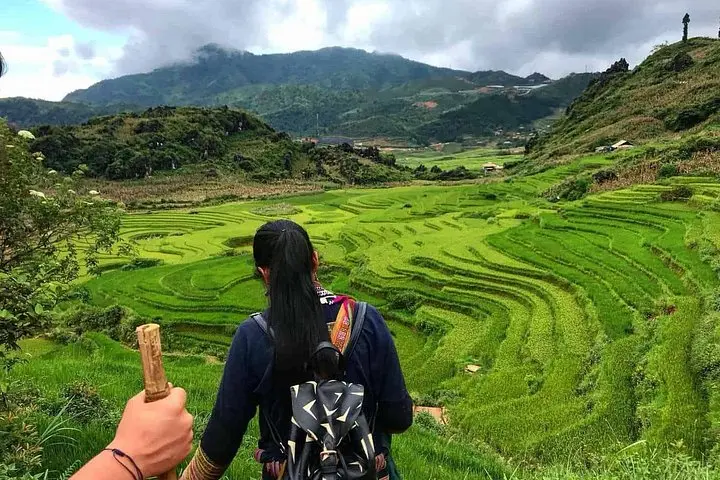

Dawn breaks over serrated ridgelines as the bus descends into Sapa, steam rising from tea gardens and terraces stretching like carved steps down the slopes. On day one the route slips into Cat Cat’s steep valley—stone paths, a small waterfall and the echo of clacking looms—before returning to town for a night in a simple hotel. Day two opens onto Muong Hoa’s green amphitheater: Y Linh Ho, Lao Chai and Ta Van villages sit amid rivers and rice terraces, the land shaped by generations of H’mong and Dzay farmers.
Dawn breaks over serrated ridgelines as the bus descends into Sapa, steam rising from tea gardens and terraces stretching like carved steps down the slopes. On day one the route slips into Cat Cat’s steep valley—stone paths, a small waterfall and the echo of clacking looms—before returning to town for a night in a simple hotel. Day two opens onto Muong Hoa’s green amphitheater: Y Linh Ho, Lao Chai and Ta Van villages sit amid rivers and rice terraces, the land shaped by generations of H’mong and Dzay farmers.
Sapa sits on the southern edge of the Hoang Lien Son range, formed by tectonic uplift that gives the area its dramatic relief and rapid stream erosion. French colonists turned Sapa into a hill station in the early 20th century; the architecture and the presence of multiple ethnic minority groups—Black H’mong, Dzao, Dzay—reflect that layered history.
Expect narrow trails, stone steps, occasional muddy sections after rain and steady but manageable climbs and descents: the trip’s guided treks total roughly 11–12 km across two days with about 2–3 hours on day one and 3–4 hours on day two.
Pack for variable mountain weather, move at a steady pace to acclimate, and carry cash for small market purchases and tips. Wear grippy footwear for uneven stone paths, bring a lightweight rain layer and a daypack with water and snacks. The itinerary’s bus transfers simplify logistics—this is a compact, accessible introduction to Sapa’s landscapes and cultures for travelers wanting maximum exposure in minimal time.