THE ADVENTURE COLLECTIVE® · Independent discovery and booking for outdoor travel

Two days of village treks from Sapa take you through Muong Hoa Valley’s terraces, waterfalls and minority hamlets. This guide covers what to expect, cultural highlights and practical packing tips to make the most of the overnight tour.
Two days of village treks from Sapa take you through Muong Hoa Valley’s terraces, waterfalls and minority hamlets. This guide covers what to expect, cultural highlights and practical packing tips to make the most of the overnight tour.
The sleeper bus eases down winding highland roads and, before sunrise, Sapa unfurls like a fog-shrouded stage—rice terraces cut into steep slopes, mountain ridgelines allowing Fansipan to pierce the horizon.
Verified experiences and guided adventures in the surrounding area.
Operated by Authentic MAI CHAU · Sapa, Lào Cai Province
The sleeper bus eases down winding highland roads and, before sunrise, Sapa unfurls like a fog-shrouded stage—rice terraces cut into steep slopes, mountain ridgelines allowing Fansipan to pierce the horizon.
This two-day trek threads through the Muong Hoa Valley and small ethnic villages that trace their customs back generations. Sapa began as a French hill station in the early 20th century; the stone-cut terraces you see today are the product of centuries of Tay, H’mong and Dzay agricultural practice against resistant limestone foothills.
You’ll hike downhill to Cat Cat Village and its waterfall, then spend a second day walking Y Linh Ho, Lao Chai and Ta Van. Trails alternate between compact dirt, stepped stone and narrow paths cut across terraced rice; rivers and irrigation channels press close, occasionally daring you to peer over the edge. Expect abundant culture—stilt houses, woven textiles and riverside hamlets—paired with wide valley views toward Fansipan.
Practically: the route covers short to moderate day distances (examples: 6–8 km segments between villages), mostly descending and gently rolling terrain with some steep sections. Bring grippy shoes, a waterproof shell, layered clothing for chill mornings, and 1.5–2 L of water per day. Local lunches are included; accommodation is in a superior hotel with private bathroom. Start times are early—pickup in Hanoi before dawn—and sleeper-bus transfers add an overnight transit on both ends. Respect local customs, avoid single-use plastics on the trail, and plan for rapidly changing weather that can turn a bright morning into mist by midday.
Daily segments are generally moderate—expect 4–8 km of walking per day with stops; terrain includes downhill sections, stepped paths and terraces.
Sleeper buses are common and provide reclining berths for the Hanoi–Sapa transfer; bring a small pillow and earplugs for better rest.
Yes—two lunches, dinner, breakfast and one night in a superior hotel with private bathroom are included in the tour price.
The tour includes an English-speaking guide and entrance fees as listed, so no additional permits are typically needed for these village routes.
Authentic MAI CHAU operates guided outdoor trips and adventures with an emphasis on safety, stewardship, and memorable experiences.
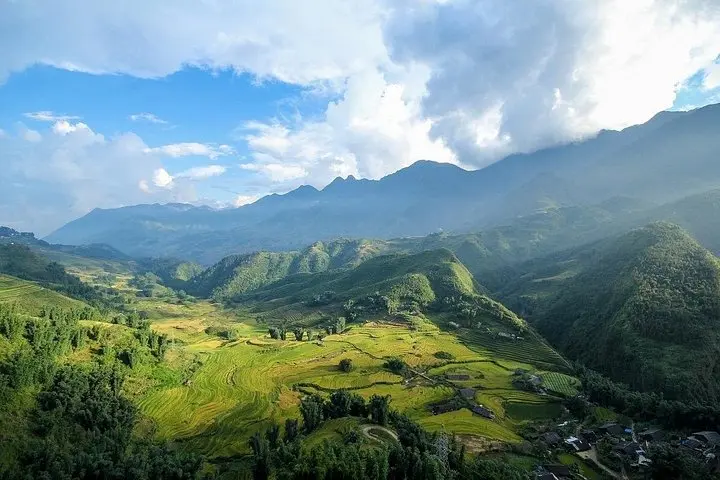
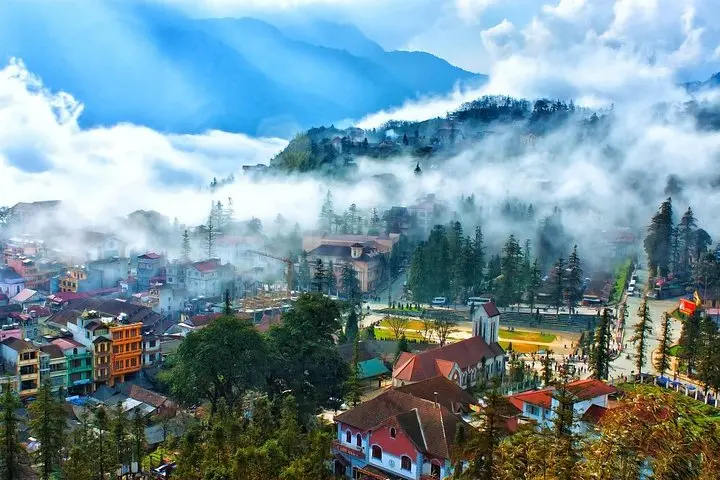
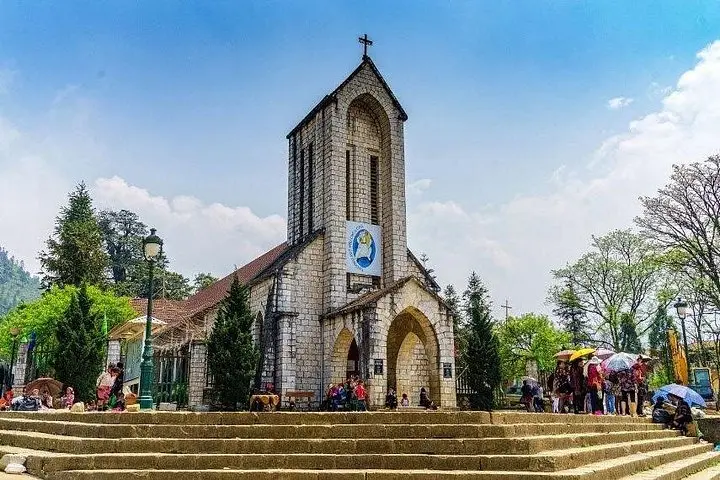
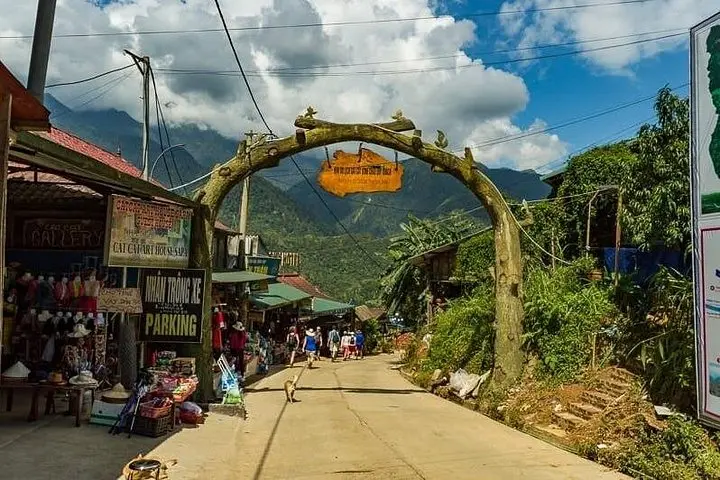
The sleeper bus eases down winding highland roads and, before sunrise, Sapa unfurls like a fog-shrouded stage—rice terraces cut into steep slopes, mountain ridgelines allowing Fansipan to pierce the horizon.
The sleeper bus eases down winding highland roads and, before sunrise, Sapa unfurls like a fog-shrouded stage—rice terraces cut into steep slopes, mountain ridgelines allowing Fansipan to pierce the horizon.
This two-day trek threads through the Muong Hoa Valley and small ethnic villages that trace their customs back generations. Sapa began as a French hill station in the early 20th century; the stone-cut terraces you see today are the product of centuries of Tay, H’mong and Dzay agricultural practice against resistant limestone foothills.
You’ll hike downhill to Cat Cat Village and its waterfall, then spend a second day walking Y Linh Ho, Lao Chai and Ta Van. Trails alternate between compact dirt, stepped stone and narrow paths cut across terraced rice; rivers and irrigation channels press close, occasionally daring you to peer over the edge. Expect abundant culture—stilt houses, woven textiles and riverside hamlets—paired with wide valley views toward Fansipan.
Practically: the route covers short to moderate day distances (examples: 6–8 km segments between villages), mostly descending and gently rolling terrain with some steep sections. Bring grippy shoes, a waterproof shell, layered clothing for chill mornings, and 1.5–2 L of water per day. Local lunches are included; accommodation is in a superior hotel with private bathroom. Start times are early—pickup in Hanoi before dawn—and sleeper-bus transfers add an overnight transit on both ends. Respect local customs, avoid single-use plastics on the trail, and plan for rapidly changing weather that can turn a bright morning into mist by midday.