
Sapa Trekking 2 Days 1 Night Homestay — Muong Hoa Valley & Hill-Tribe Villages
Two days of walking through Muong Hoa Valley with an overnight village homestay — meet Hmong, Giay, and Red Dao families, cross rice terraces and bamboo forests, and experience highland life up close.
An Adventure In Sapa.
Two days of walking through Muong Hoa Valley with an overnight village homestay — meet Hmong, Giay, and Red Dao families, cross rice terraces and bamboo forests, and experience highland life up close.
Read the full experience
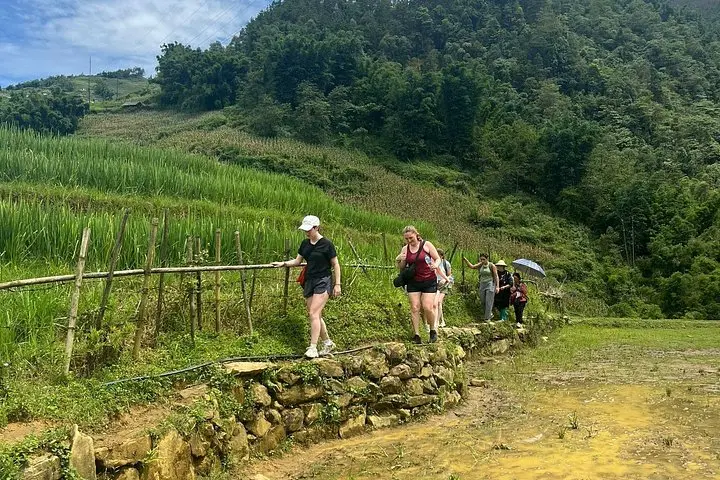
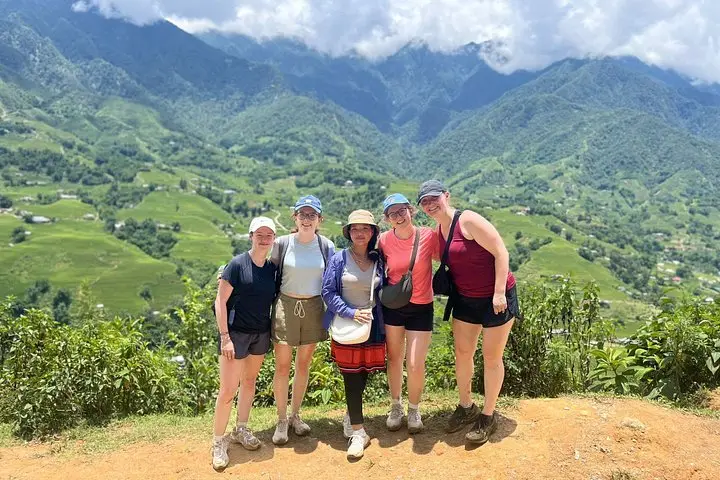
Mornings in Sapa open cold and clear; mist peels off the rice terraces and the Muong Hoa stream cuts a silver line through the valley below. On this two‑day trek you step off the town’s paved streets and into narrow trails that braid through terraced rice, bamboo groves and small minority villages. The guide points out carved stilt houses while children wave from stone steps — the land here breathes and shifts as you walk.
Mornings in Sapa open cold and clear; mist peels off the rice terraces and the Muong Hoa stream cuts a silver line through the valley below. On this two‑day trek you step off the town’s paved streets and into narrow trails that braid through terraced rice, bamboo groves and small minority villages. The guide points out carved stilt houses while children wave from stone steps — the land here breathes and shifts as you walk.
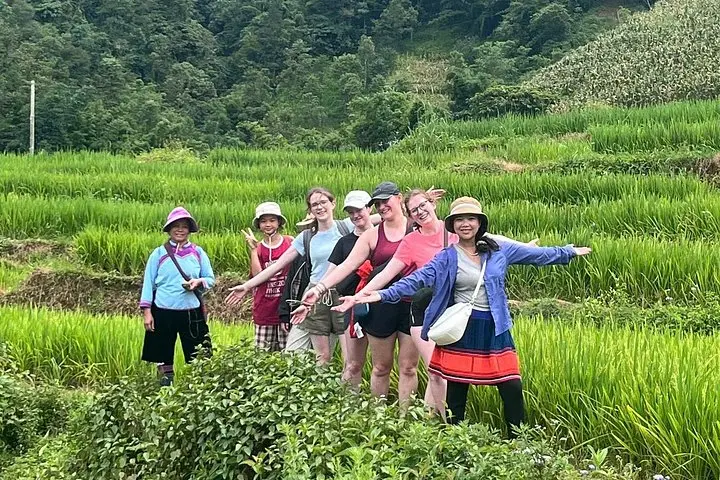
The highland is a product of uplifted limestone and metamorphic bedrock with man‑made terraces stacked on steep slopes. Sapa sits around 1,600 m above sea level, a cool island in northern Vietnam where Hmong, Giay and Red Dao communities have farmed rice and raised livestock for generations. Cultural exchange is part of the route: meals with village families, traditional dress on display and simple homestays that preserve daily rhythms.
Expect village roads, muddy trail, stair‑like terraces and short steep climbs rather than long alpine gains. The itinerary typically covers roughly 10–15 km of walking across two days, broken into stages between Y Linh Ho, Lao Chai, Ta Van and Giang Ta Chai, with an overnight stay in a Ta Van homestay.
Practical notes: pack layered clothing, waterproof footwear, and a 1.5 L water bottle (often provided). Trek in the dry months for clearer views, start early to avoid afternoon rain, and respect local customs — ask before photographing people or entering homes. The route is accessible to most fit walkers but includes uneven surfaces; move deliberately and enjoy the steady rhythm of village life and terrace views.
Frequently asked questions
Daily walking is broken into stages; expect roughly 10–15 km total across two days, with several hours on trails each day and frequent stops at villages and viewpoints.
Homestays are family homes with basic private or shared rooms, simple bedding, home‑cooked meals and opportunities to join household activities.
Sapa sits around 1,600 m — most travelers do not experience severe altitude effects, but move at a comfortable pace, stay hydrated and rest if you feel unwell.
Local meals are included; notify the operator in advance for major dietary needs. Options may be limited in remote villages.
About This Experience
Saparis Horizon Travel operates guided outdoor trips and adventures with an emphasis on safety, stewardship, and memorable experiences.
Adventure tips
Recommended gear
- Waterproof hiking shoes: Provide traction on muddy terraces and support on uneven trails.
- Light rain jacket: Compact protection against frequent mountain showers.
- Daypack with hydration: Carry snacks, water (1–1.5 L), layers and camera for daily stages.
- Headlamp or small torch: Useful for pre‑dawn starts or when moving around homestays after dark.
Photos of the experience

Related adventures & guides
Read the full experience
Mornings in Sapa open cold and clear; mist peels off the rice terraces and the Muong Hoa stream cuts a silver line through the valley below. On this two‑day trek you step off the town’s paved streets and into narrow trails that braid through terraced rice, bamboo groves and small minority villages. The guide points out carved stilt houses while children wave from stone steps — the land here breathes and shifts as you walk.
Mornings in Sapa open cold and clear; mist peels off the rice terraces and the Muong Hoa stream cuts a silver line through the valley below. On this two‑day trek you step off the town’s paved streets and into narrow trails that braid through terraced rice, bamboo groves and small minority villages. The guide points out carved stilt houses while children wave from stone steps — the land here breathes and shifts as you walk.
The highland is a product of uplifted limestone and metamorphic bedrock with man‑made terraces stacked on steep slopes. Sapa sits around 1,600 m above sea level, a cool island in northern Vietnam where Hmong, Giay and Red Dao communities have farmed rice and raised livestock for generations. Cultural exchange is part of the route: meals with village families, traditional dress on display and simple homestays that preserve daily rhythms.
Expect village roads, muddy trail, stair‑like terraces and short steep climbs rather than long alpine gains. The itinerary typically covers roughly 10–15 km of walking across two days, broken into stages between Y Linh Ho, Lao Chai, Ta Van and Giang Ta Chai, with an overnight stay in a Ta Van homestay.
Practical notes: pack layered clothing, waterproof footwear, and a 1.5 L water bottle (often provided). Trek in the dry months for clearer views, start early to avoid afternoon rain, and respect local customs — ask before photographing people or entering homes. The route is accessible to most fit walkers but includes uneven surfaces; move deliberately and enjoy the steady rhythm of village life and terrace views.
Make a day of it nearby.
Verified experiences and guided adventures in the surrounding area.