THE ADVENTURE COLLECTIVE® · Independent discovery and booking for outdoor travel

Board an overnight train from Hanoi and trade city lights for mountain air on this 2-day homestay trek around Sapa. Expect terraced rice fields, village trails, a bamboo-forested waterfall, and an authentic night with a local family.
Board an overnight train from Hanoi and trade city lights for mountain air on this 2-day homestay trek around Sapa. Expect terraced rice fields, village trails, a bamboo-forested waterfall, and an authentic night with a local family.
A chill night train lurches north from Hanoi, windows fogging as the city falls away and the carriage rocks toward the highlands. By dawn you’ll be stepping into the thin air above Sapa—around 1,500 m—where terraces fall like folded stairs into the Muong Hoa valley and stream channels dare you to follow their course downstream.
Verified experiences and guided adventures in the surrounding area.
Operated by Authentic SAPA · Sapa, Lao Cai
A chill night train lurches north from Hanoi, windows fogging as the city falls away and the carriage rocks toward the highlands. By dawn you’ll be stepping into the thin air above Sapa—around 1,500 m—where terraces fall like folded stairs into the Muong Hoa valley and stream channels dare you to follow their course downstream.
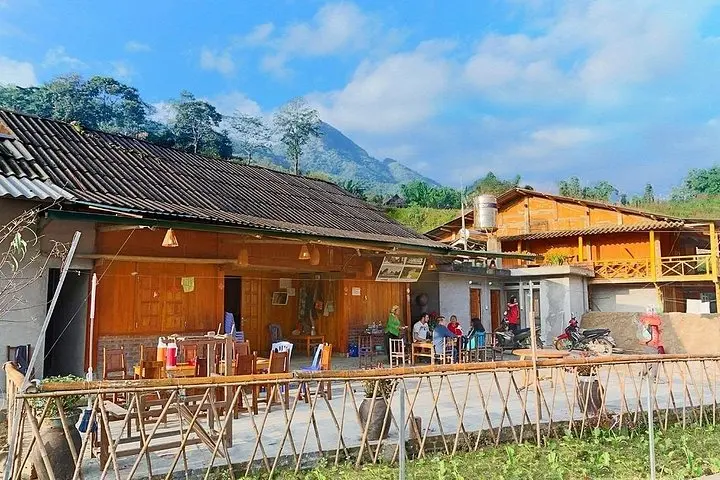
The route follows established village paths used for generations by Black H’mong and Red Zao communities. Geologically, the Hoang Lien range is a rugged outcrop at the eastern edge of the Himalaya system; the soil here supports the stepped rice cultivation that shaped the ridgelines you’ll walk. Cultural rhythms matter: the homestay in Ta Van offers a direct look at daily life—food, language, and simple timber houses—while local guides interpret customs and routes.
Expect practical terrain: day one covers roughly 9 km (6 km to Y Linh Ho, then ~3 km to Lao Chai) mainly downhill across dirt trails and stone steps; day two includes shorter upland sections to Giang Ta Chai waterfall, bamboo groves, and a rattan suspension bridge. Trails can be muddy and slippery after rain; wear grippy footwear and bring trekking poles if balance is a concern.
Logistics are straightforward: two overnight train segments (Hanoi–Lao Cai–Hanoi), one homestay night, and shared transfers to Sapa town. Pack layers for cool mornings, rain protection, and modest gifts for host families. Time your visit outside the monsoon for drier trails and clearer views.
You should have moderate fitness—able to walk 6–10 km on uneven trails and handle stair-like terraces; no technical climbing skills required.
Basic private or dorm-style rooms with simple bedding and shared facilities; meals are family-prepared and reflect local cuisine.
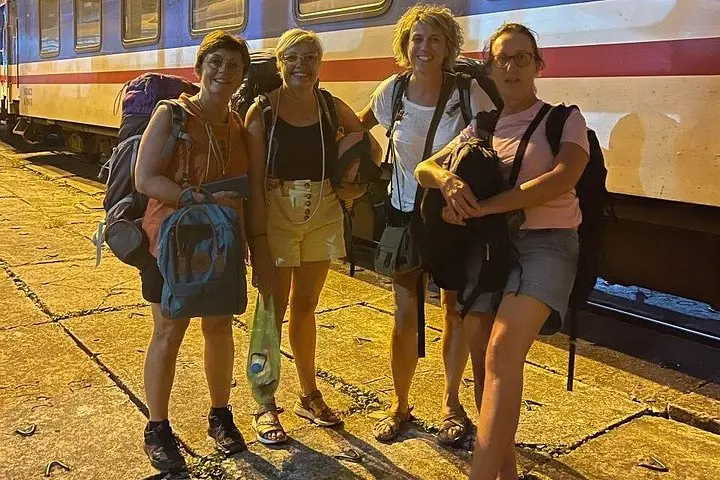
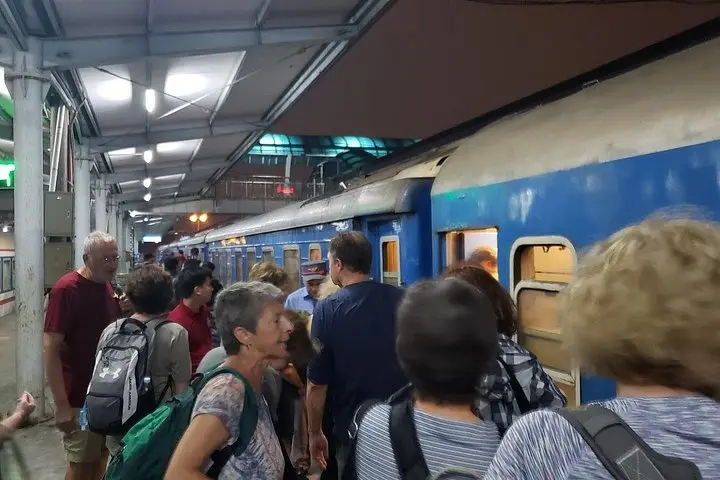
Overnight trains vary by class; you’ll sleep in assigned berths—expect basic comfort and the rhythmic motion of the train rather than hotel-style amenities.
Yes, but trail conditions vary—avoid peak monsoon months for drier tracks and clearer views; winters are cool and can be foggy or wet.
Authentic SAPA operates guided outdoor trips and adventures with an emphasis on safety, stewardship, and memorable experiences.
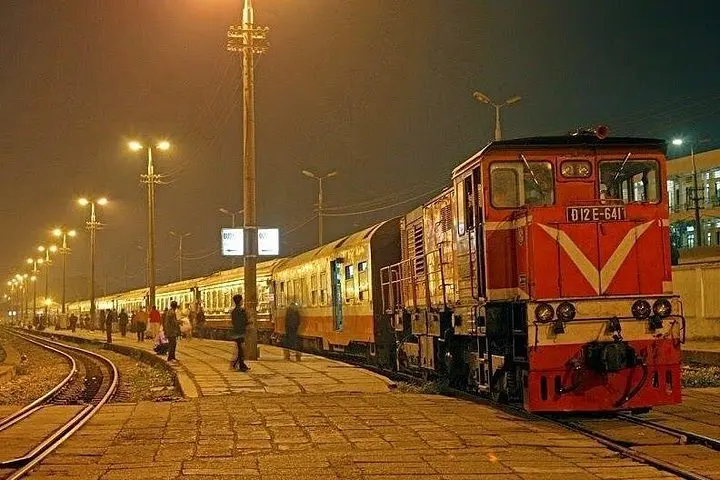
A chill night train lurches north from Hanoi, windows fogging as the city falls away and the carriage rocks toward the highlands. By dawn you’ll be stepping into the thin air above Sapa—around 1,500 m—where terraces fall like folded stairs into the Muong Hoa valley and stream channels dare you to follow their course downstream.
A chill night train lurches north from Hanoi, windows fogging as the city falls away and the carriage rocks toward the highlands. By dawn you’ll be stepping into the thin air above Sapa—around 1,500 m—where terraces fall like folded stairs into the Muong Hoa valley and stream channels dare you to follow their course downstream.
The route follows established village paths used for generations by Black H’mong and Red Zao communities. Geologically, the Hoang Lien range is a rugged outcrop at the eastern edge of the Himalaya system; the soil here supports the stepped rice cultivation that shaped the ridgelines you’ll walk. Cultural rhythms matter: the homestay in Ta Van offers a direct look at daily life—food, language, and simple timber houses—while local guides interpret customs and routes.
Expect practical terrain: day one covers roughly 9 km (6 km to Y Linh Ho, then ~3 km to Lao Chai) mainly downhill across dirt trails and stone steps; day two includes shorter upland sections to Giang Ta Chai waterfall, bamboo groves, and a rattan suspension bridge. Trails can be muddy and slippery after rain; wear grippy footwear and bring trekking poles if balance is a concern.
Logistics are straightforward: two overnight train segments (Hanoi–Lao Cai–Hanoi), one homestay night, and shared transfers to Sapa town. Pack layers for cool mornings, rain protection, and modest gifts for host families. Time your visit outside the monsoon for drier trails and clearer views.