THE ADVENTURE COLLECTIVE® · Independent discovery and booking for outdoor travel

Two days of village treks, valley views and an overnight in Sapa accessed by night train from Hanoi. Expect terraced rice fields, local culture and mixed dirt-and-stone trails with steady climbs.
Two days of village treks, valley views and an overnight in Sapa accessed by night train from Hanoi. Expect terraced rice fields, local culture and mixed dirt-and-stone trails with steady climbs.
The train rocks out of Hanoi after dusk and the city lights thin into a long, humming ribbon. Dawn in Lao Cai brings cooler air and a drive up winding switchbacks to Sapa town, where mist clings to ridgelines and terraced rice paddies spill down valley walls like carved steps. You step onto paths trodden by hill‑tribe families; streams dare you to cross on slick stones, and Fansipan, Vietnam’s highest peak, looms when the clouds allow.
Verified experiences and guided adventures in the surrounding area.
Operated by Trekking Like A Boss · Sapa, Lào Cai Province
The train rocks out of Hanoi after dusk and the city lights thin into a long, humming ribbon. Dawn in Lao Cai brings cooler air and a drive up winding switchbacks to Sapa town, where mist clings to ridgelines and terraced rice paddies spill down valley walls like carved steps. You step onto paths trodden by hill‑tribe families; streams dare you to cross on slick stones, and Fansipan, Vietnam’s highest peak, looms when the clouds allow.
Sapa’s modern identity began as a French hill station in the 1920s; older layers are the Hmong, Dao and Tay cultures whose stilt houses and embroidered textiles shape village life. The geology is steep—part of the Hoang Lien Range—where metamorphic rock and deep valleys create sharp elevation change over short distances. Rice terraces and stone‑walled trails both channel water and local labor, so the landscape feels worked and alive.
This two‑day trek from Hanoi typically hits Muong Hoa Valley, Sin Chai and Ta Van, then Cat Cat village and nearby waterfalls, with an overnight in Sapa town and return by night train. Expect easy to moderate walking on dirt and stone tracks, occasional steep sections, village lanes and stream crossings. Guides handle logistics and most meals are provided.
Practical edge: pack a waterproof layer, sturdy shoes and cash for village purchases. Aim for clear mornings to catch Fansipan views and schedule trains with padding for delays. Move deliberately—altitude, humidity and uneven trails reward steady pacing more than haste.
Most guides speak English at a functional level; your operator should list English‑speaking guides in the inclusions.
Routes are generally rated easy to moderate—uneven surfaces and short climbs mean steady footwear and basic fitness are recommended.
Meals listed in the itinerary (typically 2 breakfasts, 2 lunches, 2 dinners) are included; vegetarian options available on request.
Yes—this itinerary commonly includes overnight train travel between Hanoi and Lao Cai; transfers to stations are provided per the listing.
Trekking Like A Boss operates guided outdoor trips and adventures with an emphasis on safety, stewardship, and memorable experiences.
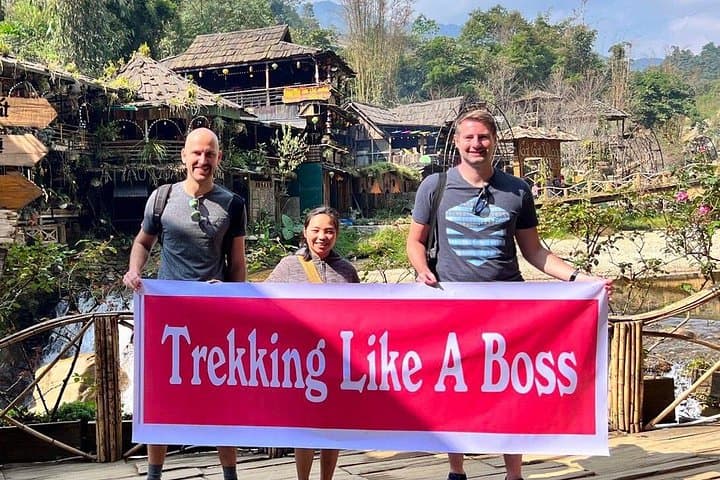
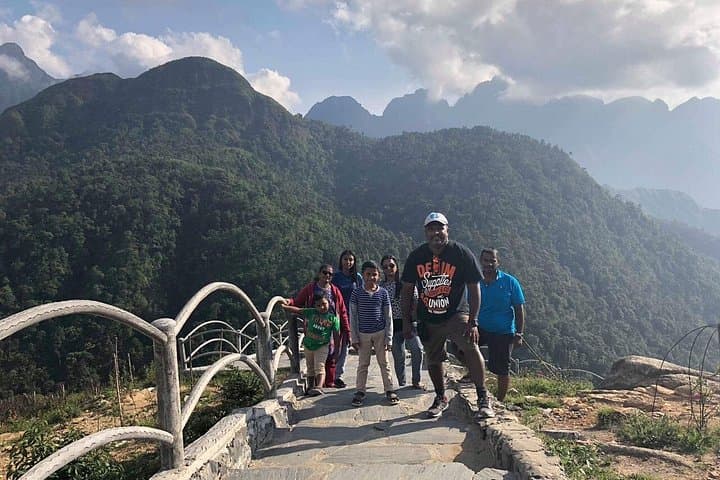
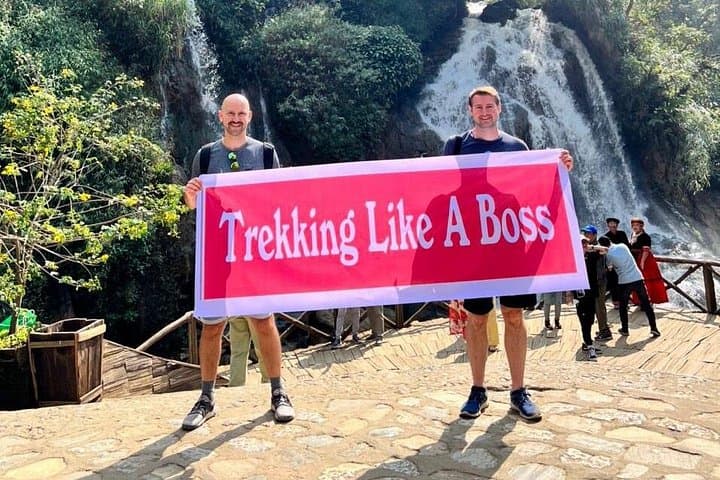
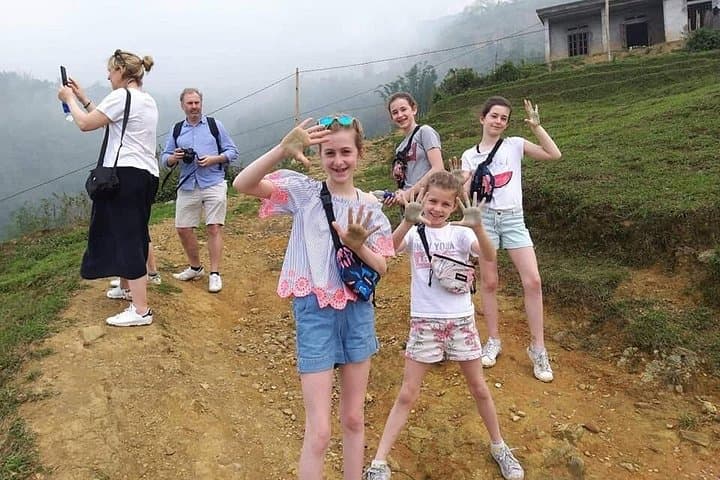
The train rocks out of Hanoi after dusk and the city lights thin into a long, humming ribbon. Dawn in Lao Cai brings cooler air and a drive up winding switchbacks to Sapa town, where mist clings to ridgelines and terraced rice paddies spill down valley walls like carved steps. You step onto paths trodden by hill‑tribe families; streams dare you to cross on slick stones, and Fansipan, Vietnam’s highest peak, looms when the clouds allow.
The train rocks out of Hanoi after dusk and the city lights thin into a long, humming ribbon. Dawn in Lao Cai brings cooler air and a drive up winding switchbacks to Sapa town, where mist clings to ridgelines and terraced rice paddies spill down valley walls like carved steps. You step onto paths trodden by hill‑tribe families; streams dare you to cross on slick stones, and Fansipan, Vietnam’s highest peak, looms when the clouds allow.
Sapa’s modern identity began as a French hill station in the 1920s; older layers are the Hmong, Dao and Tay cultures whose stilt houses and embroidered textiles shape village life. The geology is steep—part of the Hoang Lien Range—where metamorphic rock and deep valleys create sharp elevation change over short distances. Rice terraces and stone‑walled trails both channel water and local labor, so the landscape feels worked and alive.
This two‑day trek from Hanoi typically hits Muong Hoa Valley, Sin Chai and Ta Van, then Cat Cat village and nearby waterfalls, with an overnight in Sapa town and return by night train. Expect easy to moderate walking on dirt and stone tracks, occasional steep sections, village lanes and stream crossings. Guides handle logistics and most meals are provided.
Practical edge: pack a waterproof layer, sturdy shoes and cash for village purchases. Aim for clear mornings to catch Fansipan views and schedule trains with padding for delays. Move deliberately—altitude, humidity and uneven trails reward steady pacing more than haste.