THE ADVENTURE COLLECTIVE® · Independent discovery and booking for outdoor travel

Walk through rice terraces and bamboo forests, spend a night in a local homestay, and meet H’mong and Tay communities on this accessible 2-day Sapa trek. Practical route details and cultural context help you prepare for valleys, village life, and variable mountain weather.
Walk through rice terraces and bamboo forests, spend a night in a local homestay, and meet H’mong and Tay communities on this accessible 2-day Sapa trek. Practical route details and cultural context help you prepare for valleys, village life, and variable mountain weather.
Mornings in Muong Hoa Valley arrive like a slow exhale: mist lifts off rice terraces, and the stream below seems to dare you to follow. This two-day trek starts from Sapa town, drops into Y Linh Ho and Lao Chai, and winds through bamboo and paddies to Ta Van, where a local Dzay family will host your overnight stay.
Verified experiences and guided adventures in the surrounding area.
Operated by Authentic NINH BINH · Sapa, Lao Cai
Mornings in Muong Hoa Valley arrive like a slow exhale: mist lifts off rice terraces, and the stream below seems to dare you to follow. This two-day trek starts from Sapa town, drops into Y Linh Ho and Lao Chai, and winds through bamboo and paddies to Ta Van, where a local Dzay family will host your overnight stay.
The Hoang Lien Son range—home to Fansipan, Indochina’s highest peak—shapes the slopes you walk. Terraced fields cut into youthful, steep geology; metasediments and schist produce the blocky ridgelines while fast monsoon runoff carves narrow stream channels like the Muong Hoa. Culturally, the valley is mosaic: Black H’mong, Red Dzao and Tay villages display hand-dyed textiles, raised stilt houses and long-standing rice-farming techniques.
Expect 6–12 km of walking across uneven trails each day, with short, steep pitches and many stone stair sections; net elevation change is moderate (roughly 200–400 m descent/ascent depending on route). Trail surfaces alternate between packed earth, loose rock, and the slick terraces after rain. Evenings at the homestay include home-cooked meals and a chance to learn local crafts; mornings bring clear light for panorama photos.
Practical: wear grippy hiking shoes, pack a lightweight rain shell and 2–3 liters of water, and bring small cash for village purchases. Start early to avoid midday heat and secure a homestay that respects privacy and supports local families. This trip balances accessible trekking with cultural immersion—simple logistics, rich payoff.
Typical daily walking is 6–12 km, depending on pace and optional detours, with multiple short steep sections but no technical climbing.
Homestays in Ta Van are basic but clean—shared or private rooms with simple bedding, family meals, and often squat or western-style toilets depending on the home.
Yes—it's advertised as suitable for most fitness levels, but participants should be steady on uneven ground and able to manage stairs and short steep sections.
Local guide and entry fees are typically included; guides provide cultural context and route knowledge and are recommended for safety and supporting local communities.
Authentic NINH BINH operates guided outdoor trips and adventures with an emphasis on safety, stewardship, and memorable experiences.
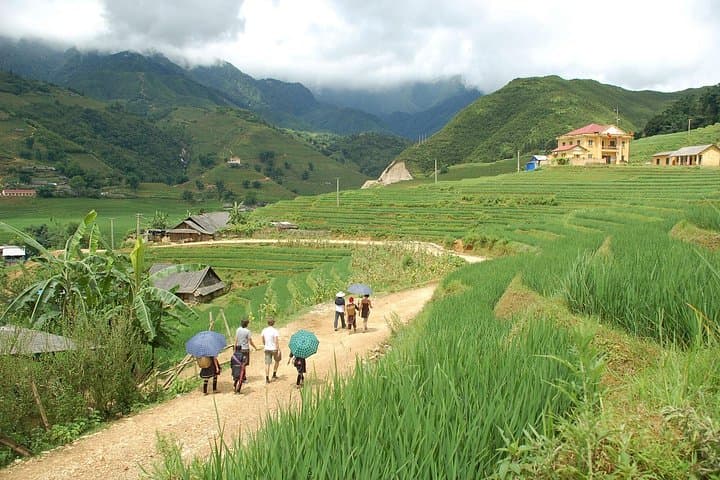
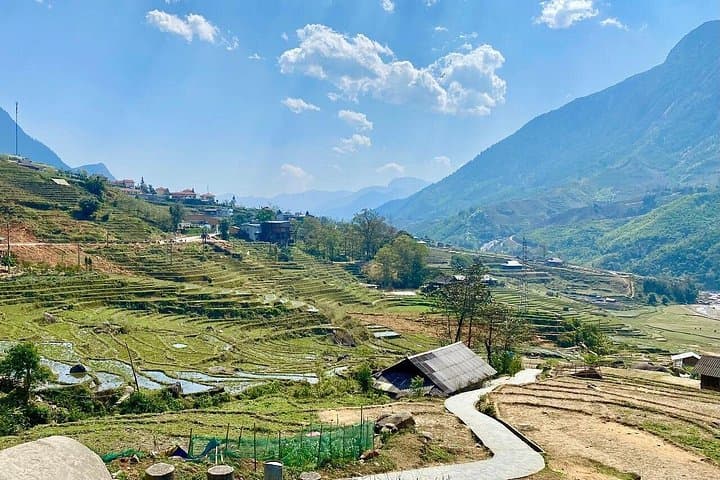
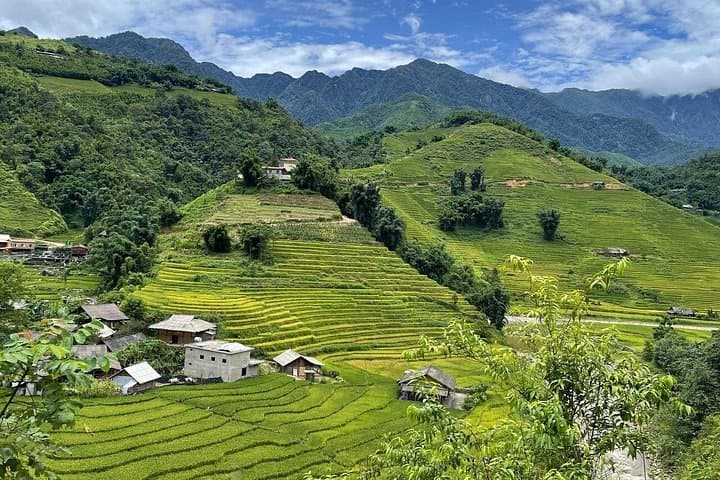
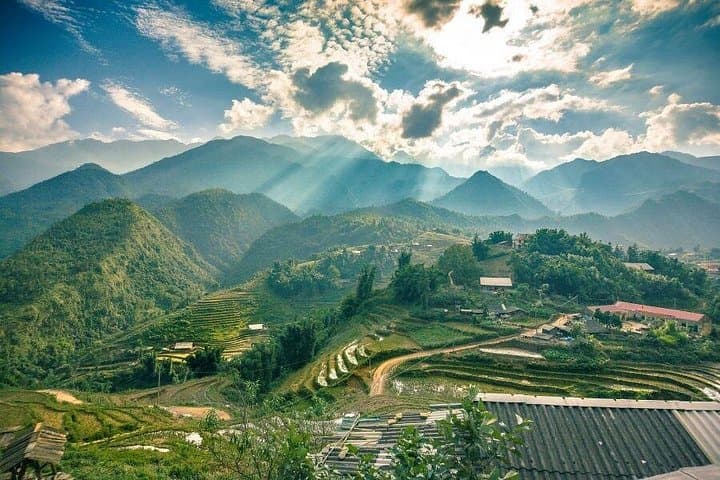
Mornings in Muong Hoa Valley arrive like a slow exhale: mist lifts off rice terraces, and the stream below seems to dare you to follow. This two-day trek starts from Sapa town, drops into Y Linh Ho and Lao Chai, and winds through bamboo and paddies to Ta Van, where a local Dzay family will host your overnight stay.
Mornings in Muong Hoa Valley arrive like a slow exhale: mist lifts off rice terraces, and the stream below seems to dare you to follow. This two-day trek starts from Sapa town, drops into Y Linh Ho and Lao Chai, and winds through bamboo and paddies to Ta Van, where a local Dzay family will host your overnight stay.
The Hoang Lien Son range—home to Fansipan, Indochina’s highest peak—shapes the slopes you walk. Terraced fields cut into youthful, steep geology; metasediments and schist produce the blocky ridgelines while fast monsoon runoff carves narrow stream channels like the Muong Hoa. Culturally, the valley is mosaic: Black H’mong, Red Dzao and Tay villages display hand-dyed textiles, raised stilt houses and long-standing rice-farming techniques.
Expect 6–12 km of walking across uneven trails each day, with short, steep pitches and many stone stair sections; net elevation change is moderate (roughly 200–400 m descent/ascent depending on route). Trail surfaces alternate between packed earth, loose rock, and the slick terraces after rain. Evenings at the homestay include home-cooked meals and a chance to learn local crafts; mornings bring clear light for panorama photos.
Practical: wear grippy hiking shoes, pack a lightweight rain shell and 2–3 liters of water, and bring small cash for village purchases. Start early to avoid midday heat and secure a homestay that respects privacy and supports local families. This trip balances accessible trekking with cultural immersion—simple logistics, rich payoff.