
Sapa Trekking Tour: 2-Day Homestay Trek Through Muong Hoa Valley
Walk terraces carved into the Hoang Lien Son, sleep in a local cottage, and learn H’mong and Dzay village life on this compact 2-day trek from Sapa. Expect misty mornings, farm paths, and a 12 km valley traverse.
An Adventure In Sapa.
Walk terraces carved into the Hoang Lien Son, sleep in a local cottage, and learn H’mong and Dzay village life on this compact 2-day trek from Sapa. Expect misty mornings, farm paths, and a 12 km valley traverse.
Read the full experience
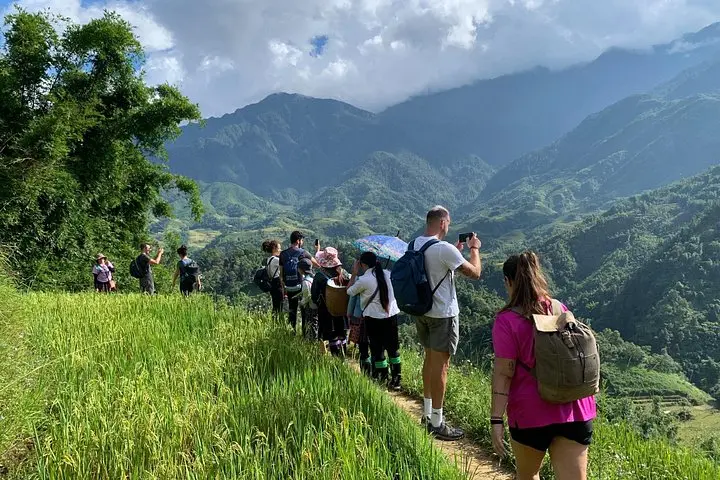
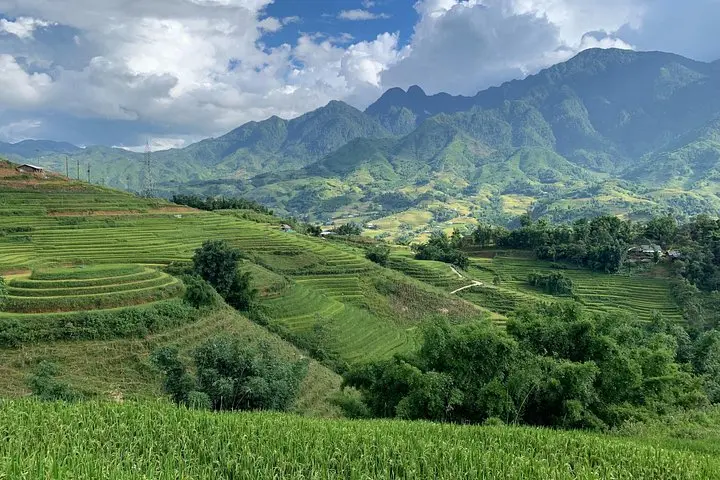
You step off the sleeper bus into a cool, thin air and a town that smells of wet earth and wood smoke. Morning mist lifts from the terraces like a slow-breathing creature, and the trail down to Cat Cat and the Muong Hoa valley pulls you toward rice paddies cut into the mountain flank. Streams dare you to cross on mossy stones; distant peaks of the Hoang Lien Son press the horizon, Fansipan’s bulk a constant, patient presence.
You step off the sleeper bus into a cool, thin air and a town that smells of wet earth and wood smoke. Morning mist lifts from the terraces like a slow-breathing creature, and the trail down to Cat Cat and the Muong Hoa valley pulls you toward rice paddies cut into the mountain flank. Streams dare you to cross on mossy stones; distant peaks of the Hoang Lien Son press the horizon, Fansipan’s bulk a constant, patient presence.
Sapa is carved by geology and history: rugged limestone and metamorphic ranges forced farmers to carve steps for rice and corn, while French engineers left a small hydro plant in Cat Cat in 1925. The valley’s human story is written in H’mong and Dzay villages—black H’mong embroidery, stilt houses, and terrace-work that marks seasonal life.
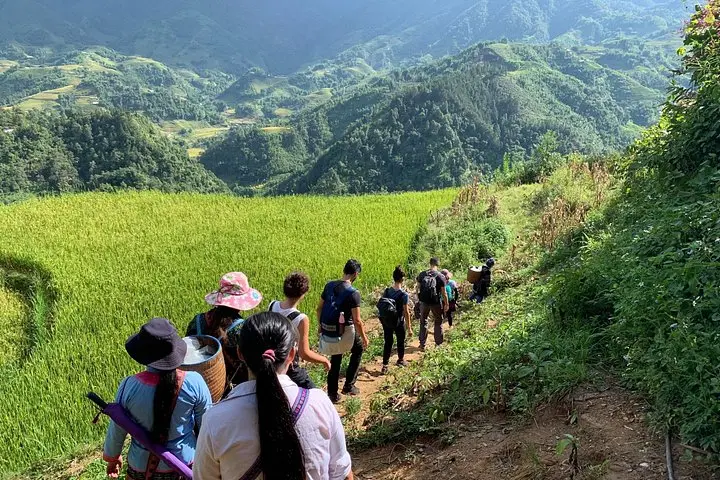
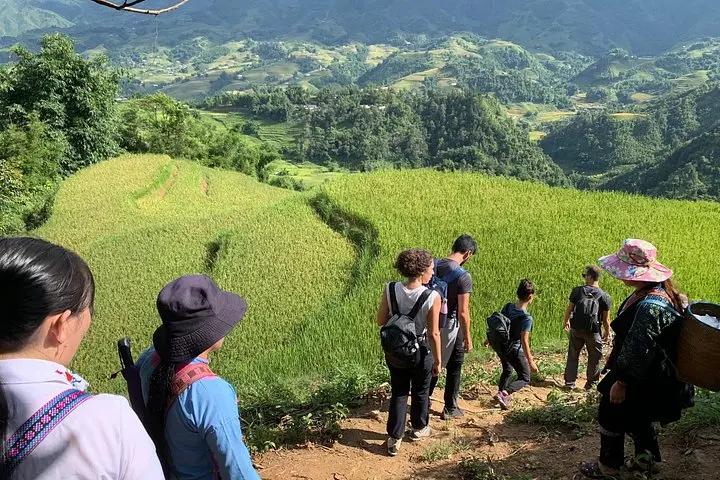
This two-day trip pairs short village walks (about 2.5 km on day one) with a longer 12 km trek through Y Linh Ho, Lao Chai and Ta Van on day two, finishing with an overnight in a local cottage or simple hotel. Trails are uneven, often muddy after rain; expect steady downhill and farming paths that demand sure footing.
Practical guidance: start early to avoid afternoon showers, bring layered clothing for 1,500 m elevation, carry small change for local stalls and tipping, and bring water purification or bottles—water isn’t always available on the trail. Respect local customs: ask before photographing people and remove shoes when entering homes. With moderate fitness and basic hiking shoes, this itinerary delivers close cultural encounters and expansive terraced views—direct, tactile, and memorable.
Frequently asked questions
Moderate: day one is a short village walk (~2.5 km); day two includes a roughly 12 km valley trek on uneven terrain—good for those with basic hiking fitness.
You will stay in a simple hotel or a local family’s cottage (homestay) with basic facilities; bedding is provided but expect rustic conditions in villages.
Yes — the tour includes pickup in Hanoi Old Quarter, transfer to the sleeper bus to Sapa, and return bus to Hanoi; in-destination transfers by minivan or bus are included.
Meals listed include breakfast, lunch and dinner as specified in the itinerary; local restaurants and homestays serve Vietnamese dishes and simple, hearty fare.
About This Experience
Vietnam Asia Trip operates guided outdoor trips and adventures with an emphasis on safety, stewardship, and memorable experiences.
Adventure tips
Recommended gear
- Sturdy hiking shoes: Provide traction on rocky, muddy village paths and terraces.
- Light waterproof jacket: Protects against frequent showers and mountain mist.
- Daypack (20–30L): Holds water, layers, camera and personal items for the trek and overnight.
- Headlamp or small flashlight: Useful in homestays that have limited indoor lighting after dusk.
Photos of the experience
Related adventures & guides
Read the full experience
You step off the sleeper bus into a cool, thin air and a town that smells of wet earth and wood smoke. Morning mist lifts from the terraces like a slow-breathing creature, and the trail down to Cat Cat and the Muong Hoa valley pulls you toward rice paddies cut into the mountain flank. Streams dare you to cross on mossy stones; distant peaks of the Hoang Lien Son press the horizon, Fansipan’s bulk a constant, patient presence.
You step off the sleeper bus into a cool, thin air and a town that smells of wet earth and wood smoke. Morning mist lifts from the terraces like a slow-breathing creature, and the trail down to Cat Cat and the Muong Hoa valley pulls you toward rice paddies cut into the mountain flank. Streams dare you to cross on mossy stones; distant peaks of the Hoang Lien Son press the horizon, Fansipan’s bulk a constant, patient presence.
Sapa is carved by geology and history: rugged limestone and metamorphic ranges forced farmers to carve steps for rice and corn, while French engineers left a small hydro plant in Cat Cat in 1925. The valley’s human story is written in H’mong and Dzay villages—black H’mong embroidery, stilt houses, and terrace-work that marks seasonal life.
This two-day trip pairs short village walks (about 2.5 km on day one) with a longer 12 km trek through Y Linh Ho, Lao Chai and Ta Van on day two, finishing with an overnight in a local cottage or simple hotel. Trails are uneven, often muddy after rain; expect steady downhill and farming paths that demand sure footing.
Practical guidance: start early to avoid afternoon showers, bring layered clothing for 1,500 m elevation, carry small change for local stalls and tipping, and bring water purification or bottles—water isn’t always available on the trail. Respect local customs: ask before photographing people and remove shoes when entering homes. With moderate fitness and basic hiking shoes, this itinerary delivers close cultural encounters and expansive terraced views—direct, tactile, and memorable.
Make a day of it nearby.
Verified experiences and guided adventures in the surrounding area.