THE ADVENTURE COLLECTIVE® · Independent discovery and booking for outdoor travel

Swap Hanoi’s bustle for mountain air on a short but immersive Sapa trek that pairs an overnight sleeper train with two days of village walking and terraced-rice views. Ideal for travelers wanting cultural contact and moderate hiking without extensive logistics.
Swap Hanoi’s bustle for mountain air on a short but immersive Sapa trek that pairs an overnight sleeper train with two days of village walking and terraced-rice views. Ideal for travelers wanting cultural contact and moderate hiking without extensive logistics.
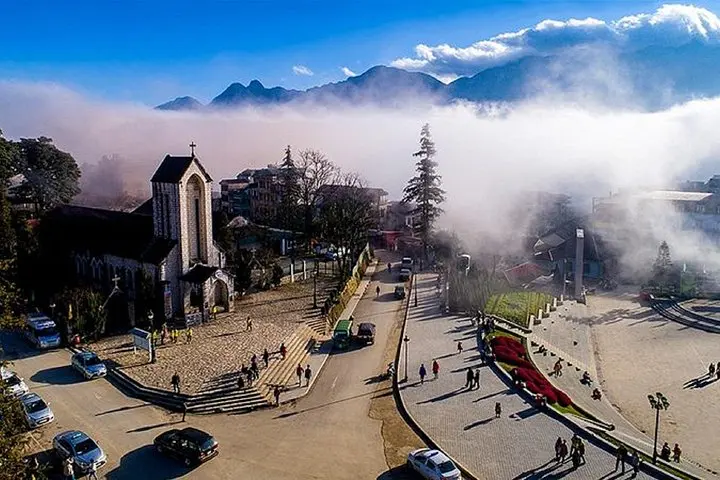
A low mountain mist parts as the sleeper train eases into Lao Cai at dawn, and the first smells of wet earth and wood smoke drift down from the Hoang Lien Son range. On this compact 2-day trek from Hanoi, travelers move from the rhythm of rails to the slow, deliberate pace of village life—walking old buffalo tracks, tracing terraces that climb in neat, human-made steps, and stopping to exchange smiles with H’mong and Dzao families.
Verified experiences and guided adventures in the surrounding area.
Operated by Charming Vietnam Travel · Sapa, Lào Cai
A low mountain mist parts as the sleeper train eases into Lao Cai at dawn, and the first smells of wet earth and wood smoke drift down from the Hoang Lien Son range. On this compact 2-day trek from Hanoi, travelers move from the rhythm of rails to the slow, deliberate pace of village life—walking old buffalo tracks, tracing terraces that climb in neat, human-made steps, and stopping to exchange smiles with H’mong and Dzao families.
Geologically, Sapa sits on uplifted limestone and metamorphic formations carved by monsoon rains; the Muong Hoa valley’s terraces are an agricultural response to steep slopes and seasonal water. Culturally, this is minority Vietnam: embroidered jackets, silver jewelry, and season-dependent festivals persist alongside markets where goods are still bartered by hand.
Expect undulating trails, short ascents and descents, muddy sections after rain, and panoramic valley views where terraces lay like contour lines across the hills. Guides open conversations with villagers and explain traditional weaving, while trains and mountain roads connect the region to Hanoi.
Practical guidance: schedule the trek in dryer months to reduce mud, carry layered rain protection, and plan for early starts to catch light and cooler temps. Comfortable boots with grip and a daypack for water and snacks make the walking straightforward. Because much of the stay is in small villages, pack cash and modest clothing out of respect for local customs. Whether coming by night train or private transfer, the trip compresses cultural immersion and mountain walking into a short, manageable adventure.
The days involve up to several hours of walking on uneven trails with short climbs; it’s rated accessible to most fit travelers but not suitable for those with serious mobility issues.
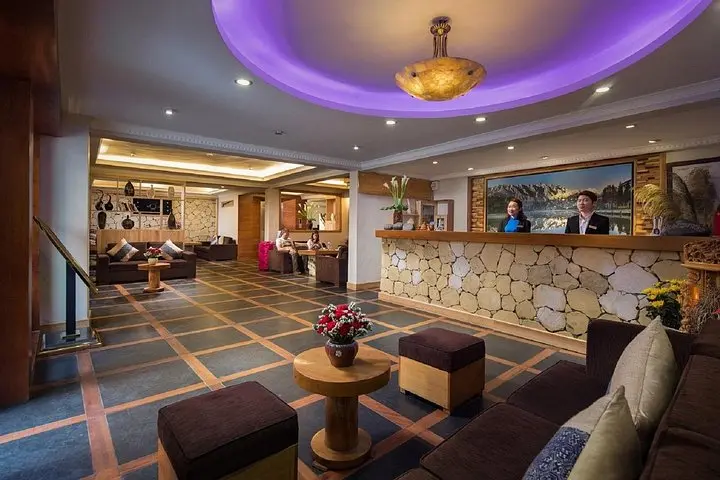
One night in a 3-star hotel in Sapa town and two nights in shared four-person soft-sleeper cabins on the overnight train (Hanoi–Lao Cai–Hanoi).
Breakfast and some lunches during trekking days are typically included; bring snacks for between meals and inform the operator of dietary needs at booking.
Yes—single travelers can join; sleeping cabins are shared, and the tour operates as a small-group experience.
Charming Vietnam Travel operates guided outdoor trips and adventures with an emphasis on safety, stewardship, and memorable experiences.


A low mountain mist parts as the sleeper train eases into Lao Cai at dawn, and the first smells of wet earth and wood smoke drift down from the Hoang Lien Son range. On this compact 2-day trek from Hanoi, travelers move from the rhythm of rails to the slow, deliberate pace of village life—walking old buffalo tracks, tracing terraces that climb in neat, human-made steps, and stopping to exchange smiles with H’mong and Dzao families.
A low mountain mist parts as the sleeper train eases into Lao Cai at dawn, and the first smells of wet earth and wood smoke drift down from the Hoang Lien Son range. On this compact 2-day trek from Hanoi, travelers move from the rhythm of rails to the slow, deliberate pace of village life—walking old buffalo tracks, tracing terraces that climb in neat, human-made steps, and stopping to exchange smiles with H’mong and Dzao families.
Geologically, Sapa sits on uplifted limestone and metamorphic formations carved by monsoon rains; the Muong Hoa valley’s terraces are an agricultural response to steep slopes and seasonal water. Culturally, this is minority Vietnam: embroidered jackets, silver jewelry, and season-dependent festivals persist alongside markets where goods are still bartered by hand.
Expect undulating trails, short ascents and descents, muddy sections after rain, and panoramic valley views where terraces lay like contour lines across the hills. Guides open conversations with villagers and explain traditional weaving, while trains and mountain roads connect the region to Hanoi.
Practical guidance: schedule the trek in dryer months to reduce mud, carry layered rain protection, and plan for early starts to catch light and cooler temps. Comfortable boots with grip and a daypack for water and snacks make the walking straightforward. Because much of the stay is in small villages, pack cash and modest clothing out of respect for local customs. Whether coming by night train or private transfer, the trip compresses cultural immersion and mountain walking into a short, manageable adventure.