THE ADVENTURE COLLECTIVE® · Independent discovery and booking for outdoor travel

Board an overnight train from Hanoi and wake to cool mountain air, terraced rice fields and homestays with Black H’mong and Red Zao families. This multi-day trek from Sapa blends accessible hiking with cultural immersion in Ta Van and Giang Ta Chai.
Board an overnight train from Hanoi and wake to cool mountain air, terraced rice fields and homestays with Black H’mong and Red Zao families. This multi-day trek from Sapa blends accessible hiking with cultural immersion in Ta Van and Giang Ta Chai.
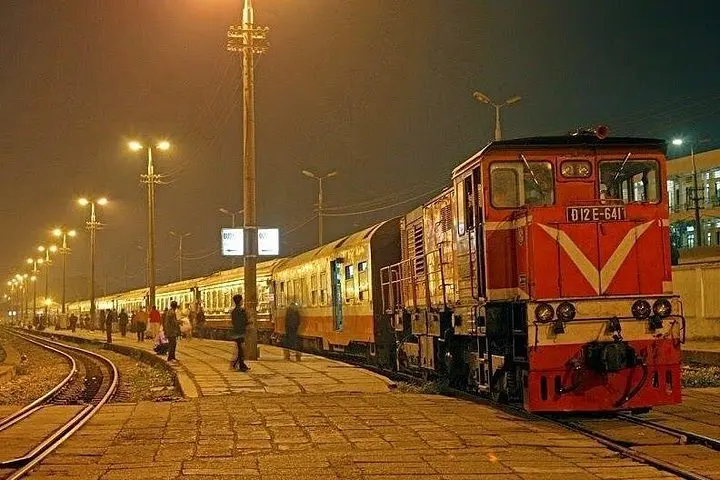
The whistle of the overnight train is a promise: by dawn you are climbing toward cool air and rice terraces that fan out like living staircases. Walkers step off at Lao Cai and the road to Sapa threads upward through mist, tea gardens, and roadside stalls; the Muong Hoa Valley opens like a landscape daring you to keep moving.
Verified experiences and guided adventures in the surrounding area.
Operated by Authentic SAPA · Sapa, Lao Cai
The whistle of the overnight train is a promise: by dawn you are climbing toward cool air and rice terraces that fan out like living staircases. Walkers step off at Lao Cai and the road to Sapa threads upward through mist, tea gardens, and roadside stalls; the Muong Hoa Valley opens like a landscape daring you to keep moving.
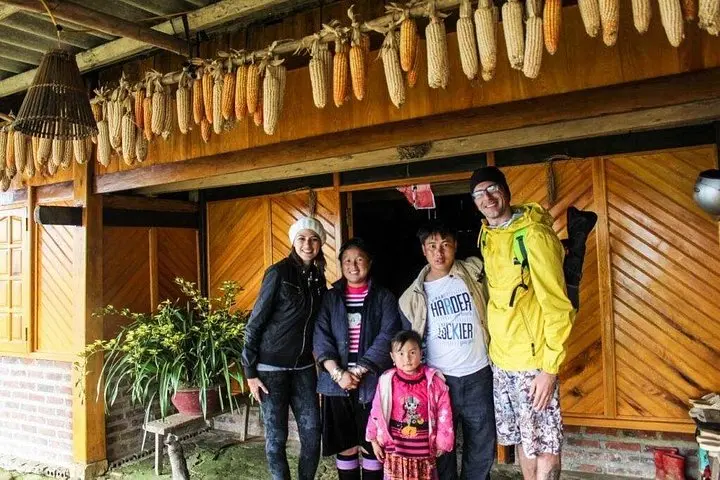
Sapa sits on the slopes of the Hoang Lien Son range, a young uplift of crystalline rock carved by rivers into steep terraces. Once a French hill station, the town still bears colonial-era villas and a grid of streets where hill-tribe markets hum every morning. The area’s culture is a primary draw—Black H’mong, Red Zao and Dzay families farm rice on narrow benches of earth and welcome trekkers into homestays in villages such as Y Linh Ho, Lao Chai and Ta Van.
Expect trails that alternate between packed dirt, slippery stone, and mud after rain; the Ta Van to Giang Ta Chai route passes bamboo forests, a rattan suspension bridge and a seasonal waterfall. Wildlife is subtle—upland birds and grazing water buffalo are common sights—and the human landscape is as varied as the terraces.
Practical guide: bring sturdy, grippy footwear and a waterproof layer; expect several hours of walking each day, modest elevation changes, and simple homestay facilities. Respect private property, carry cash for small purchases, and plan for early starts to catch clear views before clouds gather. The overnight train is part of the rhythm: consider earplugs and a lock for luggage. This trip is as much about people and rice fields as it is about peaks—pack patience and curiosity.
Treks are moderate: expect 4–9 km per day over mixed trail with short elevation changes; basic hiking fitness is sufficient.
The overnight train offers basic sleeping berths; bring earplugs, a travel sheet or thin sleeping bag, and secure valuables—sleeping is functional, not luxurious.
Accommodations vary by option and season; some homestays offer private rooms while others use shared dorm-style sleeping—check booking details in advance.
Late September to November and March to May generally offer the best combination of clear weather and scenic terraces; monsoon months can be very wet.
Authentic SAPA operates guided outdoor trips and adventures with an emphasis on safety, stewardship, and memorable experiences.


The whistle of the overnight train is a promise: by dawn you are climbing toward cool air and rice terraces that fan out like living staircases. Walkers step off at Lao Cai and the road to Sapa threads upward through mist, tea gardens, and roadside stalls; the Muong Hoa Valley opens like a landscape daring you to keep moving.
The whistle of the overnight train is a promise: by dawn you are climbing toward cool air and rice terraces that fan out like living staircases. Walkers step off at Lao Cai and the road to Sapa threads upward through mist, tea gardens, and roadside stalls; the Muong Hoa Valley opens like a landscape daring you to keep moving.
Sapa sits on the slopes of the Hoang Lien Son range, a young uplift of crystalline rock carved by rivers into steep terraces. Once a French hill station, the town still bears colonial-era villas and a grid of streets where hill-tribe markets hum every morning. The area’s culture is a primary draw—Black H’mong, Red Zao and Dzay families farm rice on narrow benches of earth and welcome trekkers into homestays in villages such as Y Linh Ho, Lao Chai and Ta Van.
Expect trails that alternate between packed dirt, slippery stone, and mud after rain; the Ta Van to Giang Ta Chai route passes bamboo forests, a rattan suspension bridge and a seasonal waterfall. Wildlife is subtle—upland birds and grazing water buffalo are common sights—and the human landscape is as varied as the terraces.
Practical guide: bring sturdy, grippy footwear and a waterproof layer; expect several hours of walking each day, modest elevation changes, and simple homestay facilities. Respect private property, carry cash for small purchases, and plan for early starts to catch clear views before clouds gather. The overnight train is part of the rhythm: consider earplugs and a lock for luggage. This trip is as much about people and rice fields as it is about peaks—pack patience and curiosity.