THE ADVENTURE COLLECTIVE® · Independent discovery and booking for outdoor travel

A three-day private trek from Sapa that pairs ridge-top views of Vietnam’s rice terraces with overnight stays in minority-run homestays. Expect bamboo forests, hanging bridges, waterfall visits and hands-on local meals.
A three-day private trek from Sapa that pairs ridge-top views of Vietnam’s rice terraces with overnight stays in minority-run homestays. Expect bamboo forests, hanging bridges, waterfall visits and hands-on local meals.
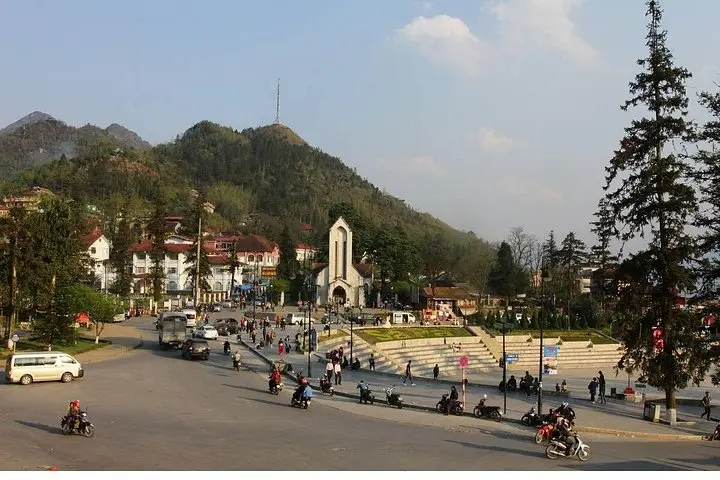
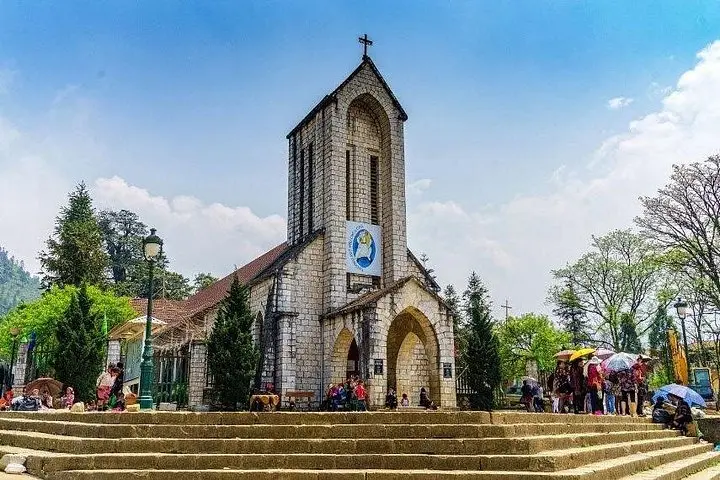
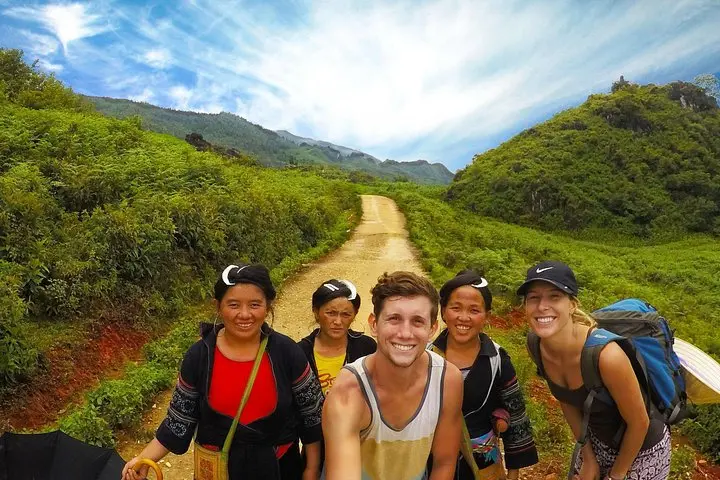
You step off a quiet street in Sapa Town at 9 a.m., mist clinging to jagged peaks, and the valley exhales — rice terraces folding like steps down the mountain. The guide from the Black Hmong community fits your pace, and the trail pulls you through bamboo copses, across hanging bridges over the Muong Hoa stream, and up to viewpoints that put the Hoang Lien Son range on full display.
Verified experiences and guided adventures in the surrounding area.
Operated by Authentic SAPA · Sapa, Lao Cai
You step off a quiet street in Sapa Town at 9 a.m., mist clinging to jagged peaks, and the valley exhales — rice terraces folding like steps down the mountain. The guide from the Black Hmong community fits your pace, and the trail pulls you through bamboo copses, across hanging bridges over the Muong Hoa stream, and up to viewpoints that put the Hoang Lien Son range on full display.
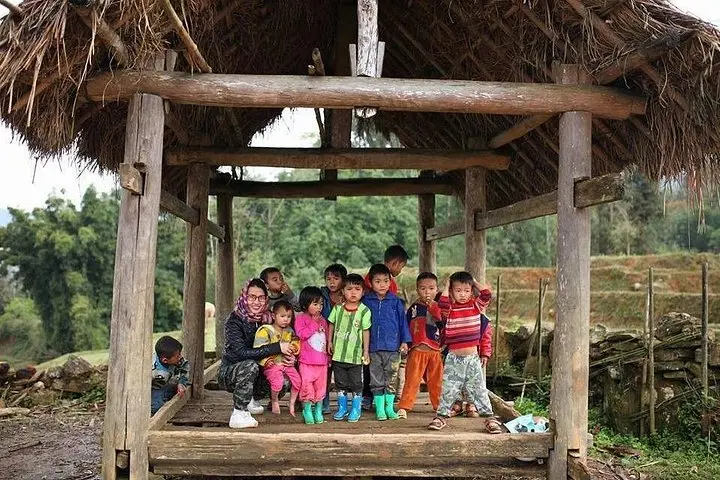
This three-day route threads local culture and geology: carved terraces on metamorphic slopes, soils fed by mountain runoff, and villages of Hmong, Giay and Red Dao people whose embroidery and headscarves mark a living history shaped by upland rice farming and French-era hill station routes. Expect wooden homestays, wood-fired cooking, and informal lessons on local techniques like terrace irrigation.
Practical notes: daily distances vary — 12–15 km on day one, 5–6 hours on day two with waterfall visits, and a short 3 km final morning — with trails that are steep in places and slippery after rain. Altitude approaches 1,800 m; mornings are cool, afternoons can warm quickly. Carry layered clothing, waterproofs, and sufficient water; plan for simple dorm-style homestays and local meals.
The experience balances scenery and people: walk slowly, ask about weaving patterns, and leave no trace. For travelers wanting immersive trekking without technical climbing, this private 3D2N gives direct access to Sapa’s terraces, waterfalls and minority villages while supporting local hosts.
Moderate: expect 4–6 hours of walking on most days with some steep sections; trails are non-technical but require steady footing.
Yes—two nights in local homestays and the listed breakfasts, lunches and dinners are included, typically simple, cooked-on-site family meals.
Local guides commonly speak English and Vietnamese; they often belong to Black Hmong or other minority groups and can provide cultural interpretation.
The trek rises to about 1,800 m; most travelers acclimatize readily, but anyone with serious cardiovascular or spinal issues should consult a doctor before booking.
Authentic SAPA operates guided outdoor trips and adventures with an emphasis on safety, stewardship, and memorable experiences.
You step off a quiet street in Sapa Town at 9 a.m., mist clinging to jagged peaks, and the valley exhales — rice terraces folding like steps down the mountain. The guide from the Black Hmong community fits your pace, and the trail pulls you through bamboo copses, across hanging bridges over the Muong Hoa stream, and up to viewpoints that put the Hoang Lien Son range on full display.
You step off a quiet street in Sapa Town at 9 a.m., mist clinging to jagged peaks, and the valley exhales — rice terraces folding like steps down the mountain. The guide from the Black Hmong community fits your pace, and the trail pulls you through bamboo copses, across hanging bridges over the Muong Hoa stream, and up to viewpoints that put the Hoang Lien Son range on full display.
This three-day route threads local culture and geology: carved terraces on metamorphic slopes, soils fed by mountain runoff, and villages of Hmong, Giay and Red Dao people whose embroidery and headscarves mark a living history shaped by upland rice farming and French-era hill station routes. Expect wooden homestays, wood-fired cooking, and informal lessons on local techniques like terrace irrigation.
Practical notes: daily distances vary — 12–15 km on day one, 5–6 hours on day two with waterfall visits, and a short 3 km final morning — with trails that are steep in places and slippery after rain. Altitude approaches 1,800 m; mornings are cool, afternoons can warm quickly. Carry layered clothing, waterproofs, and sufficient water; plan for simple dorm-style homestays and local meals.
The experience balances scenery and people: walk slowly, ask about weaving patterns, and leave no trace. For travelers wanting immersive trekking without technical climbing, this private 3D2N gives direct access to Sapa’s terraces, waterfalls and minority villages while supporting local hosts.