THE ADVENTURE COLLECTIVE® · Independent discovery and booking for outdoor travel

Walk the Muong Hoa valley with a Hmong guide from Ta Van—rice terraces, bamboo forests and home-cooked lunches define this moderate 4–5 hour trek from Sapa to Ta Van. Expect cultural insights, steady downhill hiking, and a private car back to Sapa.
Walk the Muong Hoa valley with a Hmong guide from Ta Van—rice terraces, bamboo forests and home-cooked lunches define this moderate 4–5 hour trek from Sapa to Ta Van. Expect cultural insights, steady downhill hiking, and a private car back to Sapa.
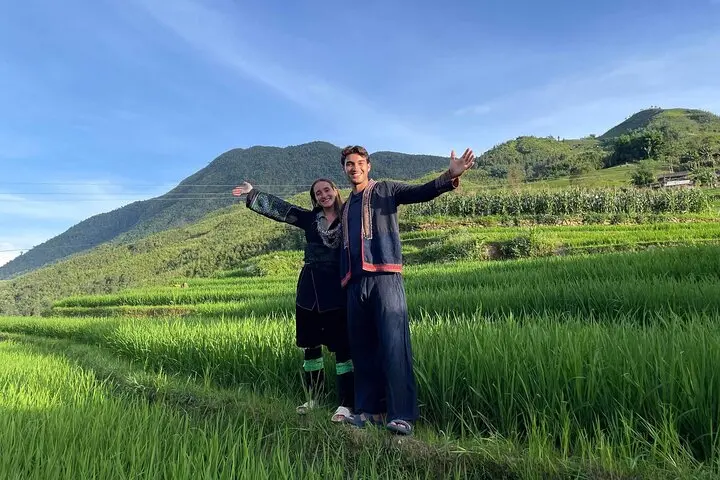
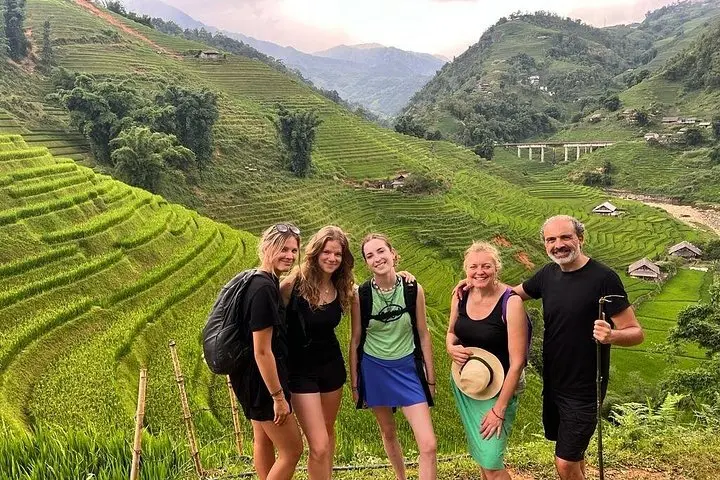
The morning opens in a mist-soft Sapa, where narrow streets give way to a spine of trail and terraces that seem to step down into the valley. You meet Dinh, a Hmong guide from Ta Van, who leads the group off the road into bamboo groves and the carved contours of rice paddies. The air smells of wet earth; a distant stream dares you to follow its voice.
Verified experiences and guided adventures in the surrounding area.
Operated by Dinh SaPa Trekking Adventures · Sapa, Lao Cai
The morning opens in a mist-soft Sapa, where narrow streets give way to a spine of trail and terraces that seem to step down into the valley. You meet Dinh, a Hmong guide from Ta Van, who leads the group off the road into bamboo groves and the carved contours of rice paddies. The air smells of wet earth; a distant stream dares you to follow its voice.
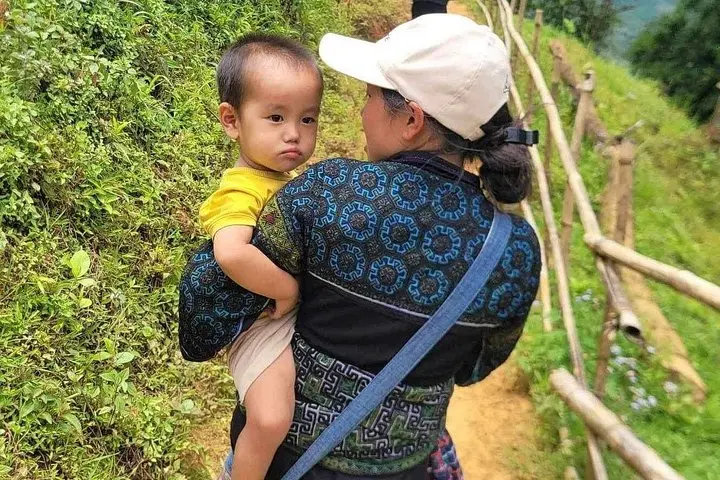
This route threads the Muong Hoa valley: a living landscape shaped by centuries of rice cultivation and the uplift of the Hoang Lien Range. Fansipan—the region’s highest peak—hovers on the skyline as farmers from Hmong and Giay communities tend seedlings or harvest, depending on season. Local customs and textile traditions run alongside these trails—bright brocade and careful stitch work are as much a part of the route as stone terraces.
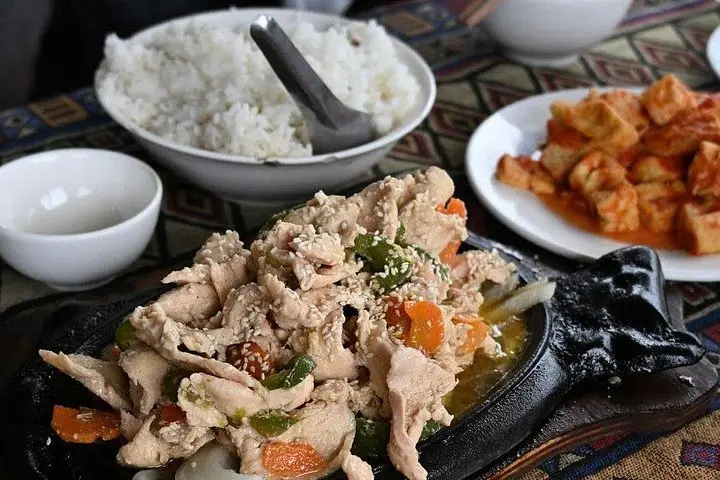
Expect a mostly downhill, moderate day trek of roughly 8–12 km over 4–5 hours with an overall descent of about 400–600 m (Sapa sits around 1,500–1,650 m). Terrain alternates packed dirt, stone steps and muddy sections after rain; there are short climbs between villages. Lunch is a home-cooked Hmong meal in a family-run stop; bottled water and village entry fees are included. The walk finishes in Ta Van with a short transfer back to Sapa by private car.
Practical notes: wear sturdy shoes, bring layered rain protection, and carry a daypack with water and snacks. Move respectfully in village spaces—ask before photographing people—and leave no trace. This is a cultural trek as much as a landscape walk: bring curiosity and a moderate level of fitness.
The guide meets in Sapa town (hotel pickup or in front of the church) at 9:00 AM; the trek finishes in Ta Van and a private car returns you to Sapa by mid-afternoon.
This is a moderate 8–12 km day trek with mostly downhill sections; it’s not recommended for travelers with spinal, heart, or serious mobility issues, nor for pregnant travelers.
Yes—lunch (home-cooked Hmong cuisine), one large bottle of water per person, and village entry fees are included in the tour price.
Yes—the local guide can accommodate vegetarian diets and other reasonable requests if noted at booking; mention dietary needs when you reserve.
Dinh SaPa Trekking Adventures operates guided outdoor trips and adventures with an emphasis on safety, stewardship, and memorable experiences.
The morning opens in a mist-soft Sapa, where narrow streets give way to a spine of trail and terraces that seem to step down into the valley. You meet Dinh, a Hmong guide from Ta Van, who leads the group off the road into bamboo groves and the carved contours of rice paddies. The air smells of wet earth; a distant stream dares you to follow its voice.
The morning opens in a mist-soft Sapa, where narrow streets give way to a spine of trail and terraces that seem to step down into the valley. You meet Dinh, a Hmong guide from Ta Van, who leads the group off the road into bamboo groves and the carved contours of rice paddies. The air smells of wet earth; a distant stream dares you to follow its voice.
This route threads the Muong Hoa valley: a living landscape shaped by centuries of rice cultivation and the uplift of the Hoang Lien Range. Fansipan—the region’s highest peak—hovers on the skyline as farmers from Hmong and Giay communities tend seedlings or harvest, depending on season. Local customs and textile traditions run alongside these trails—bright brocade and careful stitch work are as much a part of the route as stone terraces.
Expect a mostly downhill, moderate day trek of roughly 8–12 km over 4–5 hours with an overall descent of about 400–600 m (Sapa sits around 1,500–1,650 m). Terrain alternates packed dirt, stone steps and muddy sections after rain; there are short climbs between villages. Lunch is a home-cooked Hmong meal in a family-run stop; bottled water and village entry fees are included. The walk finishes in Ta Van with a short transfer back to Sapa by private car.
Practical notes: wear sturdy shoes, bring layered rain protection, and carry a daypack with water and snacks. Move respectfully in village spaces—ask before photographing people—and leave no trace. This is a cultural trek as much as a landscape walk: bring curiosity and a moderate level of fitness.