THE ADVENTURE COLLECTIVE® · Independent discovery and booking for outdoor travel

A compact multi-day trek from Sapa that pairs two dramatic waterfalls and Tram Ton Pass with a 15 km village route to Ta Van. Expect rice-terrace views, Hmong and Red Dzao homestays, and variable mountain weather — ideal for travelers with moderate fitness.
A compact multi-day trek from Sapa that pairs two dramatic waterfalls and Tram Ton Pass with a 15 km village route to Ta Van. Expect rice-terrace views, Hmong and Red Dzao homestays, and variable mountain weather — ideal for travelers with moderate fitness.
Mist threads through pine and terraced rice as you leave Sapa town behind, the road climbing toward Tram Ton — locals call it Heaven Gate — where a wind-sharp view of the Hoang Lien range awaits.
Verified experiences and guided adventures in the surrounding area.
Operated by LOCAL TOURS VIETNAM · Sapa, Lào Cai
Mist threads through pine and terraced rice as you leave Sapa town behind, the road climbing toward Tram Ton — locals call it Heaven Gate — where a wind-sharp view of the Hoang Lien range awaits.
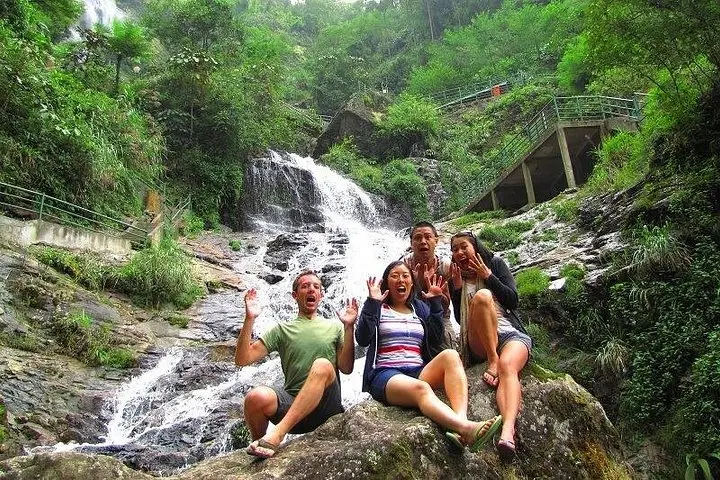
This two-day route stitches together two loud, stony waterfalls (Thác Bạc / Silver and Love Waterfall), a high pass that frames the Fansipan massif, and a secluded 15 km trek from Ban Khoan to Ta Van. Geologically the area is young, folded sedimentary rock scoured by monsoon torrents; the waterfalls carve sheer channels and spray cool air into the rice-valley basins below.
Culturally the trek threads Hmong and Red Dzao villages: indigo-dyed fabrics, embroidered jackets, and small-scale terrace farming that still follows seasonal rhythms. Homestays in Ta Van offer a close look at domestic life and locally prepared meals — a practical way to support village economies.
Practical guidance: the walking section is roughly 4 hours of steady mountain trail with occasional steep pitches and slippery switchbacks after rain. Expect well-worn dirt paths, stone steps, and short river crossings; bring waterproof layers and good soles. Start early to avoid midday clouds at Tram Ton and to photograph terraces in soft light.
Respect village etiquette: ask before photographing people, pack out rubbish, and keep noise low around homestays. Hydrate frequently on ascents and give extra time for descents — the views reward the patience.
The main walking section is about 15 km (≈9.3 miles), typically taking around 4 hours depending on pace and stops.
Yes — Silver and Love Waterfalls flow year-round, but water volume and trail conditions vary with the rainy season (May–September).
Homestays in Ta Van are family-run and simple: shared facilities, traditional meals, and an opportunity to learn local customs.
Guides are provided as part of the tour and are recommended for navigation, translation, and local context; no special permits are required for these common tourist sites.
LOCAL TOURS VIETNAM operates guided outdoor trips and adventures with an emphasis on safety, stewardship, and memorable experiences.
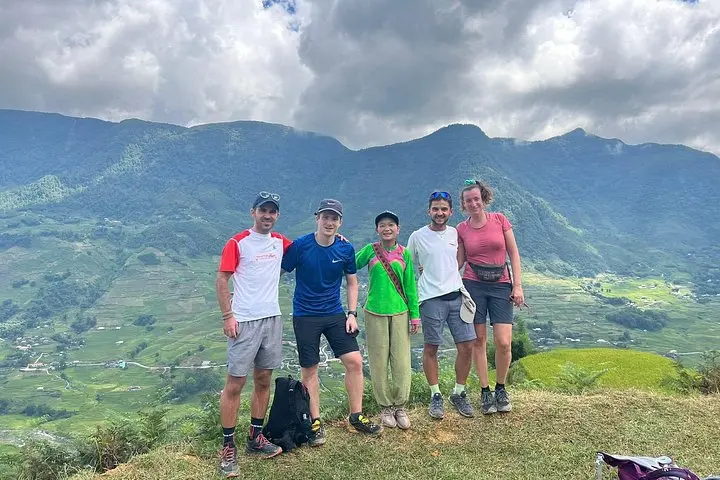

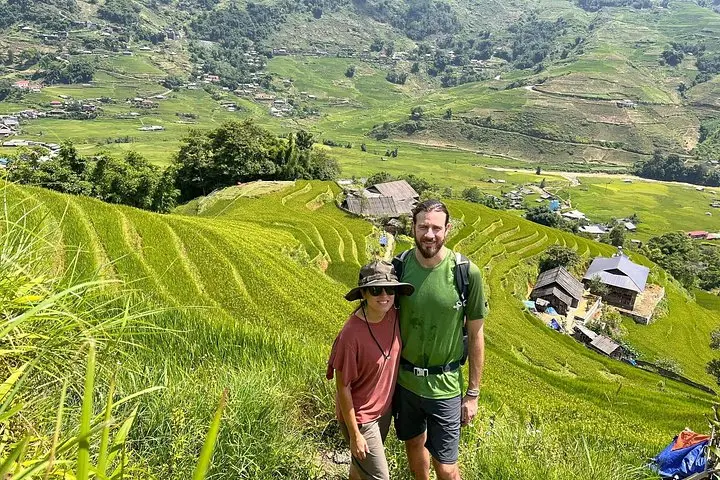
Mist threads through pine and terraced rice as you leave Sapa town behind, the road climbing toward Tram Ton — locals call it Heaven Gate — where a wind-sharp view of the Hoang Lien range awaits.
Mist threads through pine and terraced rice as you leave Sapa town behind, the road climbing toward Tram Ton — locals call it Heaven Gate — where a wind-sharp view of the Hoang Lien range awaits.
This two-day route stitches together two loud, stony waterfalls (Thác Bạc / Silver and Love Waterfall), a high pass that frames the Fansipan massif, and a secluded 15 km trek from Ban Khoan to Ta Van. Geologically the area is young, folded sedimentary rock scoured by monsoon torrents; the waterfalls carve sheer channels and spray cool air into the rice-valley basins below.
Culturally the trek threads Hmong and Red Dzao villages: indigo-dyed fabrics, embroidered jackets, and small-scale terrace farming that still follows seasonal rhythms. Homestays in Ta Van offer a close look at domestic life and locally prepared meals — a practical way to support village economies.
Practical guidance: the walking section is roughly 4 hours of steady mountain trail with occasional steep pitches and slippery switchbacks after rain. Expect well-worn dirt paths, stone steps, and short river crossings; bring waterproof layers and good soles. Start early to avoid midday clouds at Tram Ton and to photograph terraces in soft light.
Respect village etiquette: ask before photographing people, pack out rubbish, and keep noise low around homestays. Hydrate frequently on ascents and give extra time for descents — the views reward the patience.