THE ADVENTURE COLLECTIVE® · Independent discovery and booking for outdoor travel

Walk Sapporo’s civic core with a local guide: Odori Park, the Sapporo TV Tower, Clock Tower and the Red Brick Government Office reveal the island’s pioneer history and city life in a compact 3.5‑hour route. Learn cultural context, sample local food, and get practical tips for timing and transit.
Walk Sapporo’s civic core with a local guide: Odori Park, the Sapporo TV Tower, Clock Tower and the Red Brick Government Office reveal the island’s pioneer history and city life in a compact 3.5‑hour route. Learn cultural context, sample local food, and get practical tips for timing and transit.
Morning light slides along the broad green ribbon of Odori Park and the city wakes around it — joggers, commuters, and the steam from a nearby ramen stall. A guide with a yellow sign meets the group in front of the park’s tourist center and the walk begins, moving through open lawns, past seasonal flowerbeds, and toward the blocky outline of the Sapporo TV Tower.
Verified experiences and guided adventures in the surrounding area.
Operated by DeepExperience · Sapporo, Hokkaido
Morning light slides along the broad green ribbon of Odori Park and the city wakes around it — joggers, commuters, and the steam from a nearby ramen stall. A guide with a yellow sign meets the group in front of the park’s tourist center and the walk begins, moving through open lawns, past seasonal flowerbeds, and toward the blocky outline of the Sapporo TV Tower.
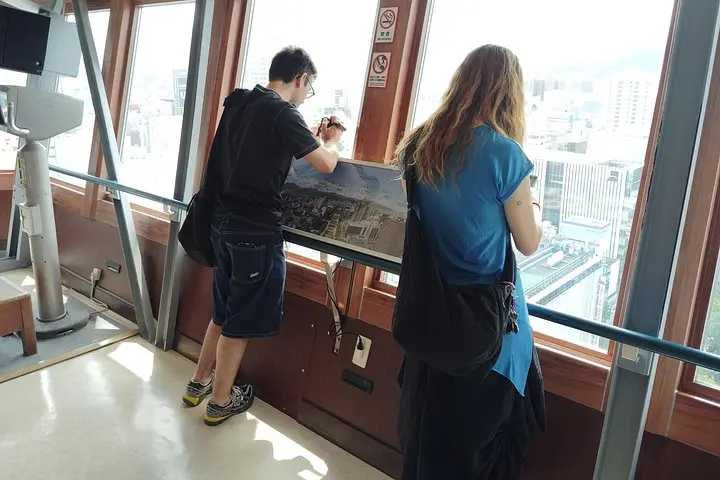
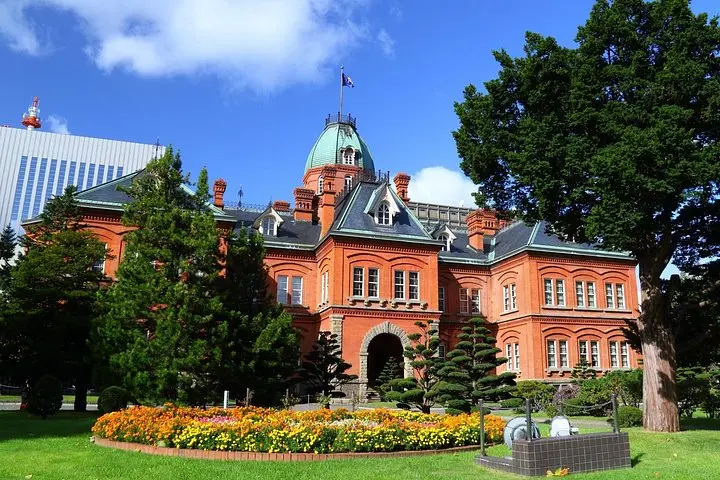
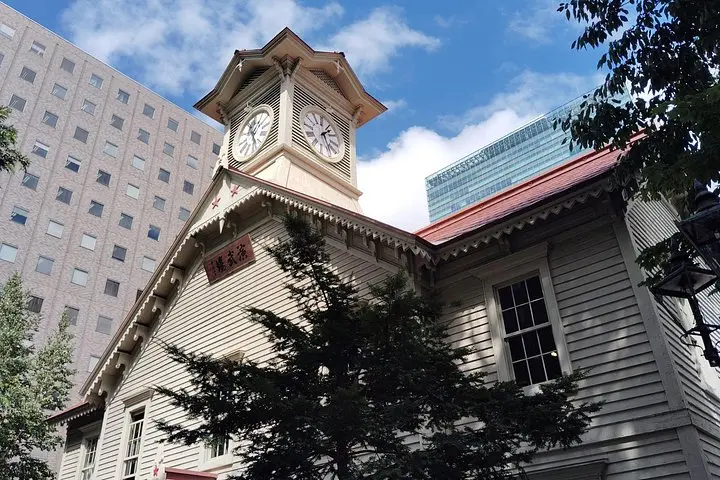
Sapporo’s center tells the story of Hokkaido’s rapid transformation in the late 19th and early 20th centuries. The Clock Tower, built in 1878 for the agricultural college, still ticks above a compact plaza; the red-brick Former Hokkaido Government Office recalls the prefecture’s pioneering bureaucracy and displays exhibitions on local history and Ainu culture. The TV Tower (1957) offers a 90-meter view that frames the city against the low volcanic ridges to the east — geology that shaped rivers and human settlement alike.
Culturally, the route threads food and form: ramen counters, confection shops, and municipal squares where festivals change the beat of the city throughout the year. Expect clear, walkable blocks, several short stair sections, and paved promenades — urban terrain that rewards attention to weather and comfort rather than technical skill.
Practical guidance: wear supportive walking shoes, bring a compact umbrella or rain jacket in shoulder seasons, and carry cash for small food stalls. Plan the tour in the morning for softer light on façades and fewer crowds at indoor exhibits. Public transit links are abundant if you want to continue exploring after the 3.5-hour loop.
The tour runs approximately 3.5 hours and covers several central landmarks within walking distance of Odori Park.
Admissions listed in the itinerary (such as the Clock Tower exhibits and Red Brick Office) are included where specified; confirm with the booking details.
Much of the route is paved and accessible, but some older buildings and sections have steps; contact the operator ahead to confirm accessibility accommodations.
The tour includes local culinary insights and opportunities to sample Sapporo ramen and snacks, but plan for purchases separately as some vendors are cash-preferred.
DeepExperience operates guided outdoor trips and adventures with an emphasis on safety, stewardship, and memorable experiences.
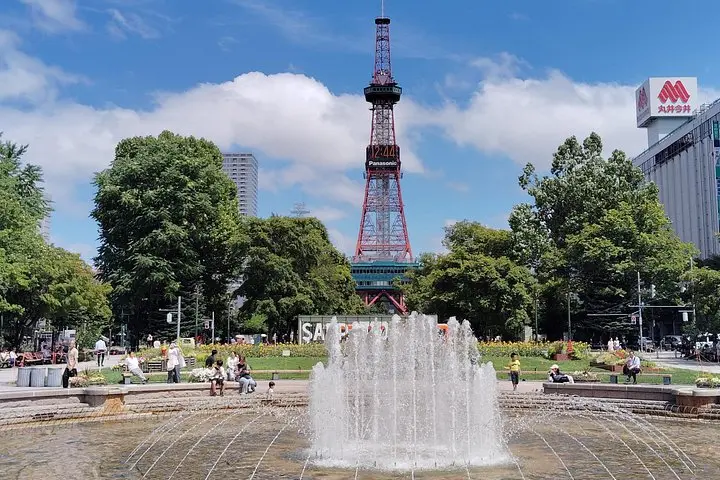
Morning light slides along the broad green ribbon of Odori Park and the city wakes around it — joggers, commuters, and the steam from a nearby ramen stall. A guide with a yellow sign meets the group in front of the park’s tourist center and the walk begins, moving through open lawns, past seasonal flowerbeds, and toward the blocky outline of the Sapporo TV Tower.
Morning light slides along the broad green ribbon of Odori Park and the city wakes around it — joggers, commuters, and the steam from a nearby ramen stall. A guide with a yellow sign meets the group in front of the park’s tourist center and the walk begins, moving through open lawns, past seasonal flowerbeds, and toward the blocky outline of the Sapporo TV Tower.
Sapporo’s center tells the story of Hokkaido’s rapid transformation in the late 19th and early 20th centuries. The Clock Tower, built in 1878 for the agricultural college, still ticks above a compact plaza; the red-brick Former Hokkaido Government Office recalls the prefecture’s pioneering bureaucracy and displays exhibitions on local history and Ainu culture. The TV Tower (1957) offers a 90-meter view that frames the city against the low volcanic ridges to the east — geology that shaped rivers and human settlement alike.
Culturally, the route threads food and form: ramen counters, confection shops, and municipal squares where festivals change the beat of the city throughout the year. Expect clear, walkable blocks, several short stair sections, and paved promenades — urban terrain that rewards attention to weather and comfort rather than technical skill.
Practical guidance: wear supportive walking shoes, bring a compact umbrella or rain jacket in shoulder seasons, and carry cash for small food stalls. Plan the tour in the morning for softer light on façades and fewer crowds at indoor exhibits. Public transit links are abundant if you want to continue exploring after the 3.5-hour loop.