THE ADVENTURE COLLECTIVE® · Independent discovery and booking for outdoor travel

Walk beneath a 7‑kilometer tunnel of over 2,000 cherry trees on a guided day trip from Sapporo. This full‑day outing includes round‑trip bus transport, a Koraku bento lunch and stops at local roadside stations for regional treats.
Walk beneath a 7‑kilometer tunnel of over 2,000 cherry trees on a guided day trip from Sapporo. This full‑day outing includes round‑trip bus transport, a Koraku bento lunch and stops at local roadside stations for regional treats.
You step off the bus into a corridor of pink: petals drift like slow rain along a straight, seven‑kilometer avenue. Over 2,000 cherry trees arch overhead on Shizunai Nijukken Road, their limbs meeting to create a long, almost architectural canopy — a seasonally charged runway that pulls you forward at an easy walking pace.
Verified experiences and guided adventures in the surrounding area.
Operated by Club Tourism International Inc. · Shinhidaka, Hokkaido
You step off the bus into a corridor of pink: petals drift like slow rain along a straight, seven‑kilometer avenue. Over 2,000 cherry trees arch overhead on Shizunai Nijukken Road, their limbs meeting to create a long, almost architectural canopy — a seasonally charged runway that pulls you forward at an easy walking pace.
The road itself is a product of Hokkaido’s agricultural planning: rows of trees planted generations ago as windbreaks and now celebrated for their spring bloom. The surrounding plains are shallow and well‑drained, the soils shaped by ancient alluvial flows and the island’s glacial past, with nearby Niikappu known for horse breeding rather than dramatic peaks. Local roadside stations (michi‑no‑eki) reflect the region’s practical culture — stalls of pickles, sweets and horse‑farm goods that speak to the area’s rural economy.
On this full‑day outing from Sapporo you’ll get a Koraku bento, a stop at a roadside station and a short visit to Niikappu’s Thoroughbred Road. A Japanese conductor accompanies the group and uses a translation app for key information; expect a relaxed itinerary with set departure times and the possibility of changes due to traffic or bloom timing.
Practical guidance: visit in late April–early May for typical peak bloom, arrive layered for chilly coastal winds, and bring a lightweight rain shell during spring showers. Respect farm fences and private land, keep to paths, and carry out waste. For photographers, mid‑morning light softens the pink; late afternoon gives longer shadows and quieter paths. This is an easy, low‑impact way to experience one of Hokkaido’s most storied sakura avenues.
Typical peak bloom is late April to early May, but timing shifts with weather — check regional sakura forecasts for the exact year.
The avenue stretches 7 km but the tour includes short, easy strolls and photo stops rather than a full end‑to‑end hike; total walking is light to moderate.
Yes — the itinerary notes stroller accessibility and infants ride free seated on laps, though bus seating for children may be limited.
The provided Koraku bento may not accommodate special dietary needs or allergies; if you have strict requirements, bring your own meal.
Club Tourism International Inc. operates guided outdoor trips and adventures with an emphasis on safety, stewardship, and memorable experiences.
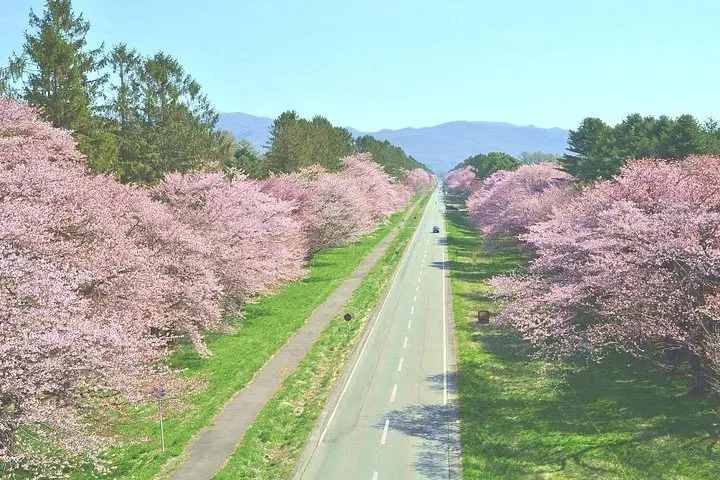

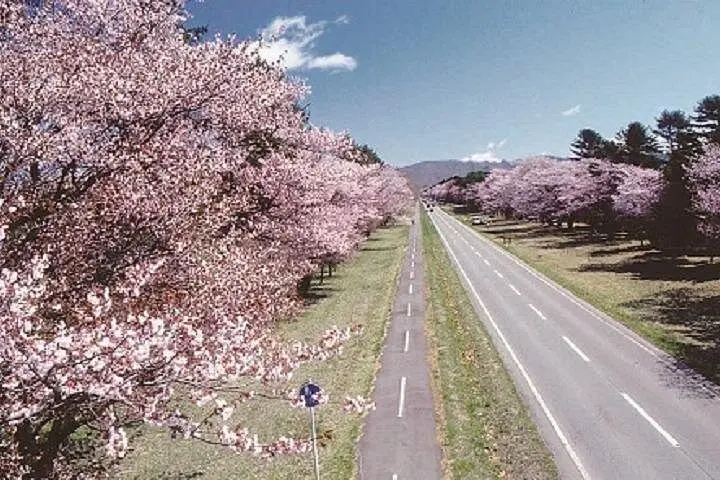
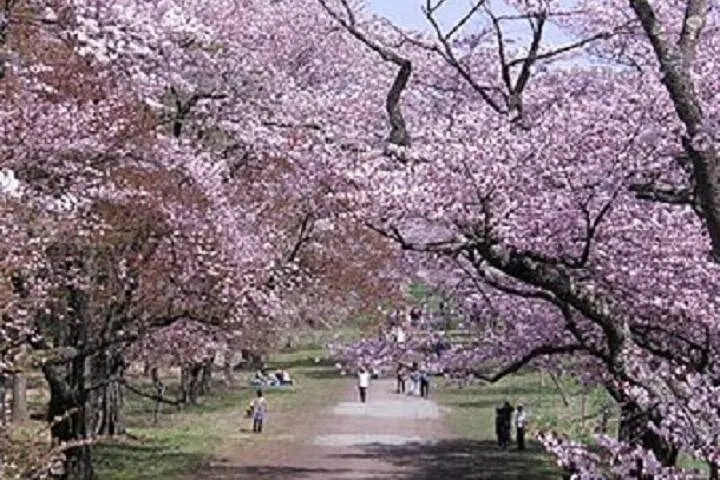
You step off the bus into a corridor of pink: petals drift like slow rain along a straight, seven‑kilometer avenue. Over 2,000 cherry trees arch overhead on Shizunai Nijukken Road, their limbs meeting to create a long, almost architectural canopy — a seasonally charged runway that pulls you forward at an easy walking pace.
You step off the bus into a corridor of pink: petals drift like slow rain along a straight, seven‑kilometer avenue. Over 2,000 cherry trees arch overhead on Shizunai Nijukken Road, their limbs meeting to create a long, almost architectural canopy — a seasonally charged runway that pulls you forward at an easy walking pace.
The road itself is a product of Hokkaido’s agricultural planning: rows of trees planted generations ago as windbreaks and now celebrated for their spring bloom. The surrounding plains are shallow and well‑drained, the soils shaped by ancient alluvial flows and the island’s glacial past, with nearby Niikappu known for horse breeding rather than dramatic peaks. Local roadside stations (michi‑no‑eki) reflect the region’s practical culture — stalls of pickles, sweets and horse‑farm goods that speak to the area’s rural economy.
On this full‑day outing from Sapporo you’ll get a Koraku bento, a stop at a roadside station and a short visit to Niikappu’s Thoroughbred Road. A Japanese conductor accompanies the group and uses a translation app for key information; expect a relaxed itinerary with set departure times and the possibility of changes due to traffic or bloom timing.
Practical guidance: visit in late April–early May for typical peak bloom, arrive layered for chilly coastal winds, and bring a lightweight rain shell during spring showers. Respect farm fences and private land, keep to paths, and carry out waste. For photographers, mid‑morning light softens the pink; late afternoon gives longer shadows and quieter paths. This is an easy, low‑impact way to experience one of Hokkaido’s most storied sakura avenues.