THE ADVENTURE COLLECTIVE® · Independent discovery and booking for outdoor travel

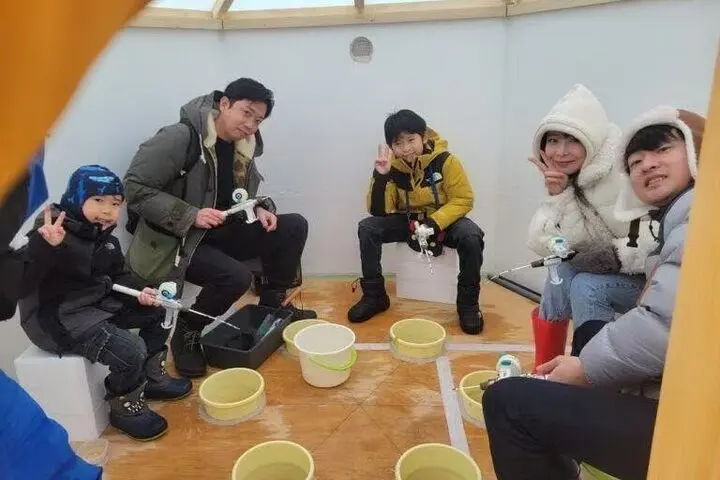
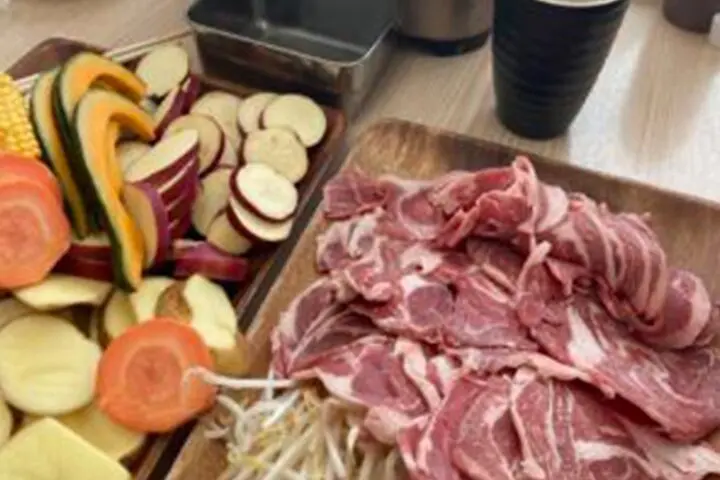
Head out of Sapporo for a full-day, all-ages ice-fishing experience that pairs hands-on wakasagi fishing with a communal Jingisukan (Genghis Khan) lamb barbecue. Learn basic techniques on the ice, warm up in a hut, and sample Hokkaido’s winter food culture.
Head out of Sapporo for a full-day, all-ages ice-fishing experience that pairs hands-on wakasagi fishing with a communal Jingisukan (Genghis Khan) lamb barbecue. Learn basic techniques on the ice, warm up in a hut, and sample Hokkaido’s winter food culture.
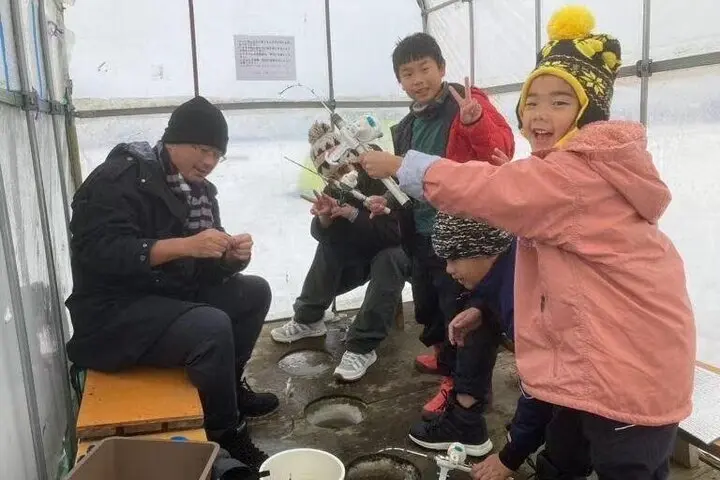
A pale winter sun hangs over a frozen lake as small activity tents pockmark the sheet of ice; breath fogs, rods tip, and the lake itself seems to hum with a slow, cold pulse. On this full-day outing from central Sapporo you trade city lights for a wide white plane where wakasagi (smelt) school beneath clear ice and the wind dares you to move faster.
Verified experiences and guided adventures in the surrounding area.
Operated by QHTravel · Sapporo, Hokkaido
A pale winter sun hangs over a frozen lake as small activity tents pockmark the sheet of ice; breath fogs, rods tip, and the lake itself seems to hum with a slow, cold pulse. On this full-day outing from central Sapporo you trade city lights for a wide white plane where wakasagi (smelt) school beneath clear ice and the wind dares you to move faster.
Ice fishing for wakasagi has been part of northern Japan’s winter rhythm for generations: families and communities gather on frozen lakes to fish through hand-cut holes, then warm up together. The day pairs that simple freshwater tradition with Jingisukan — Hokkaido’s iconic grill of lamb and vegetables — a practical, social meal that grew popular with settlers who raised sheep on Hokkaido’s plains. Geologically, the region’s volcanic history carved deep basins and cold, oxygen-rich lakes that support prolific winter smelt runs; culturally, Hokkaido’s winters encourage communal outdoor pursuits rather than isolation.
Expect gentle instruction for beginners, short walks across packed snow, and time in a warm hut to grill and eat. Rentals for winter clothing and rods are commonly provided; guides show how to set up a line, read the tiny vibrations, and land delicate fish. Practical notes: dress in insulated, waterproof layers, bring a camera with spare batteries (cold drains them), and plan for an 8–10 hour day with vehicle transfers. The adventure is low-impact but seasonal — when the ice is firm, the experience is vivid and uncomplicated, a hands-on slice of Hokkaido winter life.
Yes—many tours provide fishing rods and offer winter clothing rentals, but bring your own insulated boots and base layers if possible.
The activity is family-friendly; infants must sit on an adult’s lap and the pace is relaxed, though guardians should monitor children on ice.
You’ll primarily fish for wakasagi (Japanese smelt), small freshwater fish commonly targeted through ice holes in Hokkaido winters.
Tours typically allow a full refund if cancelled at least 24 hours before departure; organizers may cancel for unsafe ice or insufficient participants.
QHTravel operates guided outdoor trips and adventures with an emphasis on safety, stewardship, and memorable experiences.
A pale winter sun hangs over a frozen lake as small activity tents pockmark the sheet of ice; breath fogs, rods tip, and the lake itself seems to hum with a slow, cold pulse. On this full-day outing from central Sapporo you trade city lights for a wide white plane where wakasagi (smelt) school beneath clear ice and the wind dares you to move faster.
A pale winter sun hangs over a frozen lake as small activity tents pockmark the sheet of ice; breath fogs, rods tip, and the lake itself seems to hum with a slow, cold pulse. On this full-day outing from central Sapporo you trade city lights for a wide white plane where wakasagi (smelt) school beneath clear ice and the wind dares you to move faster.
Ice fishing for wakasagi has been part of northern Japan’s winter rhythm for generations: families and communities gather on frozen lakes to fish through hand-cut holes, then warm up together. The day pairs that simple freshwater tradition with Jingisukan — Hokkaido’s iconic grill of lamb and vegetables — a practical, social meal that grew popular with settlers who raised sheep on Hokkaido’s plains. Geologically, the region’s volcanic history carved deep basins and cold, oxygen-rich lakes that support prolific winter smelt runs; culturally, Hokkaido’s winters encourage communal outdoor pursuits rather than isolation.
Expect gentle instruction for beginners, short walks across packed snow, and time in a warm hut to grill and eat. Rentals for winter clothing and rods are commonly provided; guides show how to set up a line, read the tiny vibrations, and land delicate fish. Practical notes: dress in insulated, waterproof layers, bring a camera with spare batteries (cold drains them), and plan for an 8–10 hour day with vehicle transfers. The adventure is low-impact but seasonal — when the ice is firm, the experience is vivid and uncomplicated, a hands-on slice of Hokkaido winter life.