THE ADVENTURE COLLECTIVE® · Independent discovery and booking for outdoor travel

Watch retired rikishi perform ritual drills, try a staged sumo bout, and share a steaming pot of chanko-nabe in an intimate Sapporo venue. This two-hour cultural dinner show pairs hands-on demonstrations with a souvenir photo and tailored meal options.
Watch retired rikishi perform ritual drills, try a staged sumo bout, and share a steaming pot of chanko-nabe in an intimate Sapporo venue. This two-hour cultural dinner show pairs hands-on demonstrations with a souvenir photo and tailored meal options.
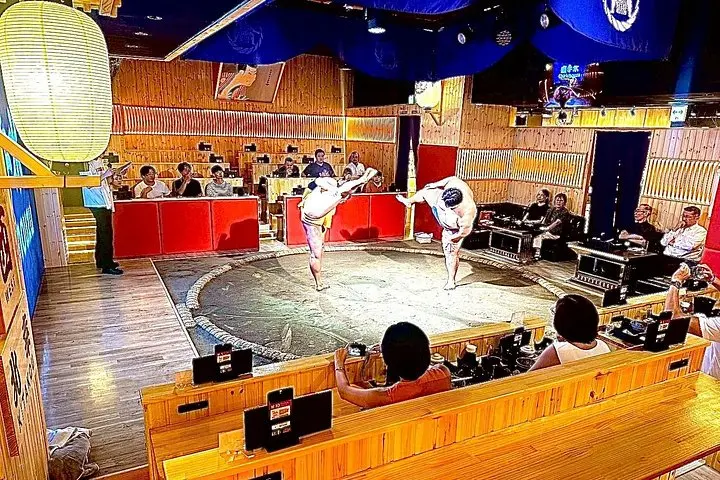
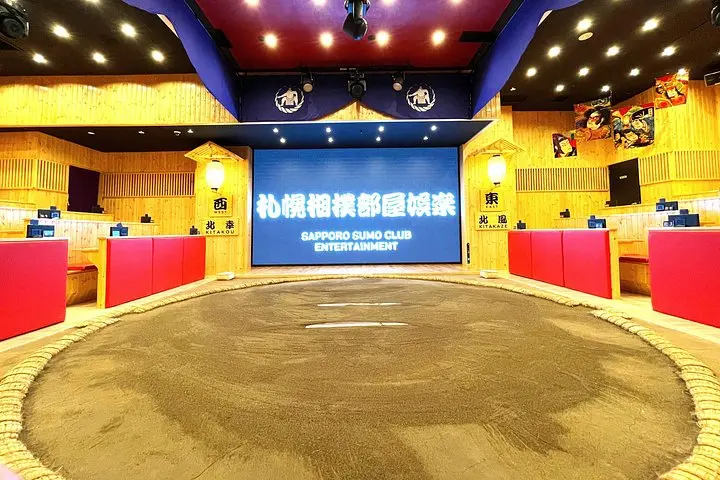
A low-lit room in central Sapporo hums with conversation as steam rises from a communal pot of chanko-nabe and the dohyo—the straw ring—takes center stage.
Verified experiences and guided adventures in the surrounding area.
Operated by 札幌相撲部屋娯楽 · Sapporo, Hokkaido
A low-lit room in central Sapporo hums with conversation as steam rises from a communal pot of chanko-nabe and the dohyo—the straw ring—takes center stage.
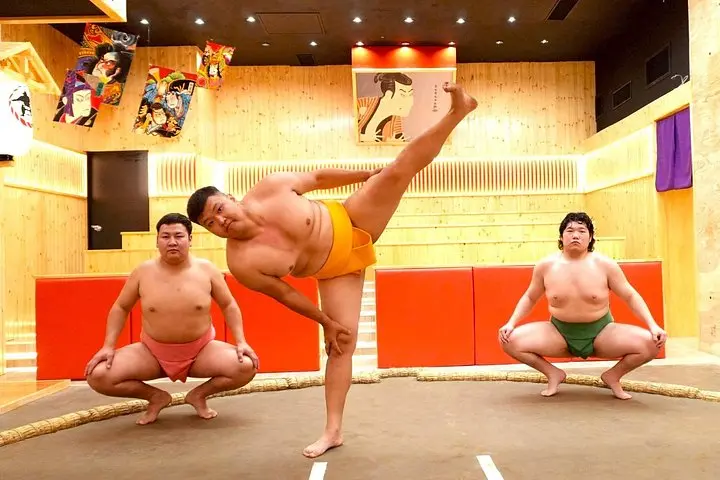
The performance begins with informal morning drills, then moves to the formal rituals that mark sumo's long history: salt purifications, ceremonial stomps and a compact catalogue of kimarite (winning techniques). Hokkaido’s volcanic soils and cool climate contribute to the region’s rich vegetables and seafood, staples that feed the hearty chanko-nabe served by retired rikishi who now cook and perform for guests.
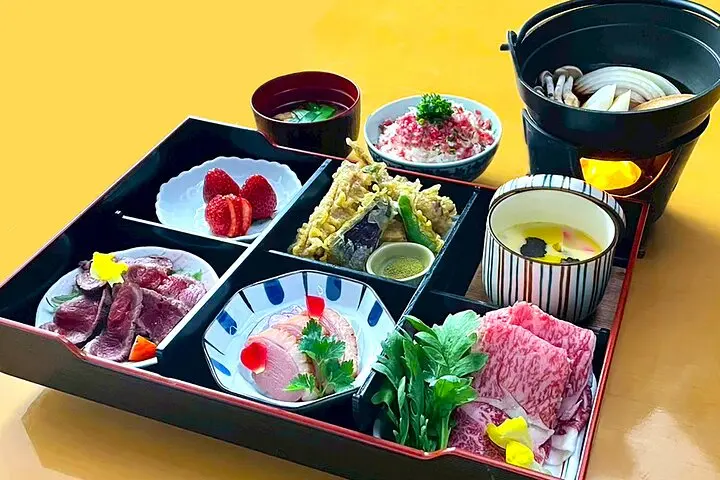
Sumo is both sport and ritual; the show blends didactic demonstrations of technique and etiquette with audience participation—visitors may challenge wrestlers in a staged bout, governed by safety rules and limited numbers. The program pairs the spectacle with a set meal (Wagyu or tempura options) or an accommodated vegetarian plan when requested in advance.
Practicalities are straightforward: the experience runs about two hours, is accessible by public transport and welcomes a broad age range. Front-row upgrades put you inches from the dohyo and are worth booking early if you want close photos; bring a camera but follow photo guidelines set by staff. If you plan to participate in the ring, wear comfortable clothing and be prepared for a brief physical exertion. Arrive 10–15 minutes early to check in, confirm meal requests and collect your commemorative photo.
This experience suits travelers seeking a close-up cultural encounter rather than competitive wrestling, offering tactile lessons in tradition, food and local hospitality.
Yes—guests can be selected to step into the ring, but participation is limited, safety-briefed, and sometimes decided by lottery when demand is high.
Meal-inclusive plans offer chanko-nabe with Wagyu, tempura and sides; vegetarian meals are available if requested at least two days in advance.
Yes—infants are permitted but must sit on a lap; strollers can be used for arrival but may need to be folded depending on seating layout.
Arrive 10–15 minutes before the listed start time to check in; the experience runs about 120 minutes including demonstrations and the meal.
札幌相撲部屋娯楽 operates guided outdoor trips and adventures with an emphasis on safety, stewardship, and memorable experiences.
A low-lit room in central Sapporo hums with conversation as steam rises from a communal pot of chanko-nabe and the dohyo—the straw ring—takes center stage.
A low-lit room in central Sapporo hums with conversation as steam rises from a communal pot of chanko-nabe and the dohyo—the straw ring—takes center stage.
The performance begins with informal morning drills, then moves to the formal rituals that mark sumo's long history: salt purifications, ceremonial stomps and a compact catalogue of kimarite (winning techniques). Hokkaido’s volcanic soils and cool climate contribute to the region’s rich vegetables and seafood, staples that feed the hearty chanko-nabe served by retired rikishi who now cook and perform for guests.
Sumo is both sport and ritual; the show blends didactic demonstrations of technique and etiquette with audience participation—visitors may challenge wrestlers in a staged bout, governed by safety rules and limited numbers. The program pairs the spectacle with a set meal (Wagyu or tempura options) or an accommodated vegetarian plan when requested in advance.
Practicalities are straightforward: the experience runs about two hours, is accessible by public transport and welcomes a broad age range. Front-row upgrades put you inches from the dohyo and are worth booking early if you want close photos; bring a camera but follow photo guidelines set by staff. If you plan to participate in the ring, wear comfortable clothing and be prepared for a brief physical exertion. Arrive 10–15 minutes early to check in, confirm meal requests and collect your commemorative photo.
This experience suits travelers seeking a close-up cultural encounter rather than competitive wrestling, offering tactile lessons in tradition, food and local hospitality.