THE ADVENTURE COLLECTIVE® · Independent discovery and booking for outdoor travel

Walk the oldest streets of Sarajevo with a local guide to sample traditional foods and visit active craft workshops. In four hours you’ll taste centuries of culinary history and see artisans keeping time-honored trades alive.
Walk the oldest streets of Sarajevo with a local guide to sample traditional foods and visit active craft workshops. In four hours you’ll taste centuries of culinary history and see artisans keeping time-honored trades alive.
You step off a narrow cobbled street and the city opens—steam from a cezve of coffee curls into the air, copper pans clink in a smith’s shop, and the Miljacka River glints a few blocks away like a guidebook calling you forward.
Verified experiences and guided adventures in the surrounding area.
Operated by Meet Bosnia Travel · Sarajevo, Sarajevo Canton
You step off a narrow cobbled street and the city opens—steam from a cezve of coffee curls into the air, copper pans clink in a smith’s shop, and the Miljacka River glints a few blocks away like a guidebook calling you forward.
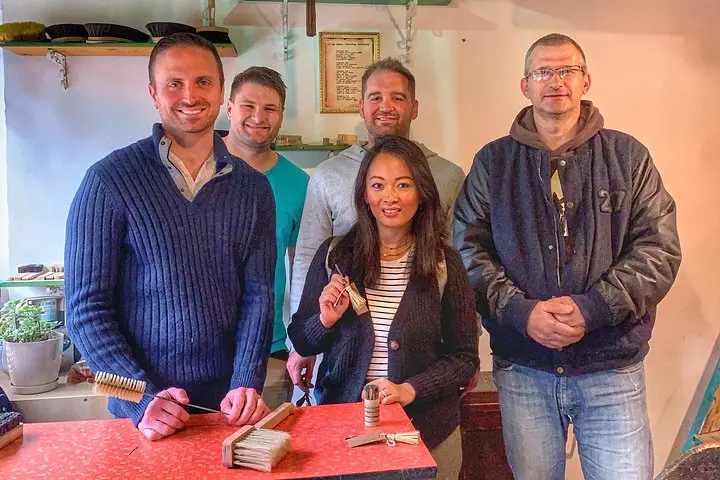
This 4‑hour walking tour threads through Baščaršija, Sarajevo’s Ottoman-era market quarter founded in the 15th century. Expect labyrinthine alleys paved in worn stone, low-rise Ottoman and Austro-Hungarian facades, and workshops where traditional brushmakers and coppersmiths still practice crafts passed down through generations. The geology of the region—karst limestone slopes feeding narrow river valleys—gives the city its bowl-like feel and the surrounding hills that frame dramatic views.
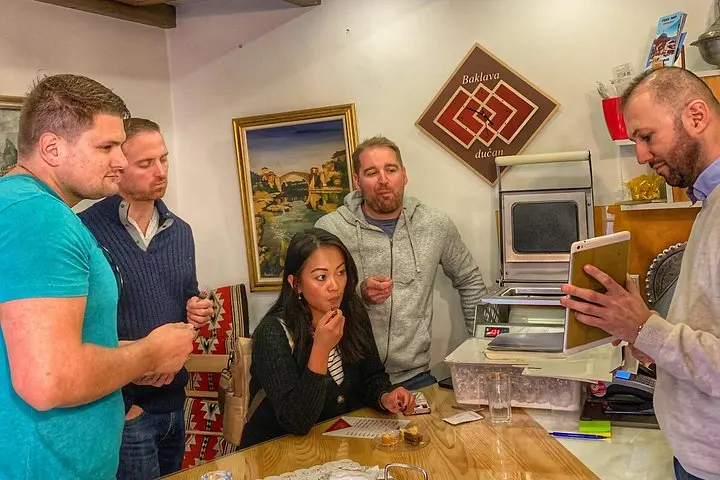
Culturally, the tour is a sensory primer: savory ćevapi, smoked and cured meats, flaky baklava and bitter coffee illustrate centuries of trade and culinary fusion at the crossroads of East and West. Local guides often point out small guild houses, the Ottoman fountain (sebilj), and the way craftspeople adapt materials to urban constraints.
Practically: the route is mostly level but uses cobbles and occasional steps; plan for about 2–4 kilometers of walking and comfortable pacing. Mornings are cooler and less crowded; late afternoons offer fuller tastings. Carry local currency for small purchases, wear grippy shoes, and allow for sensory overload—this is a tasting tour as much as a history walk.
If you’re curious about living traditions rather than a museum overview, this is a compact, grounded way to meet Sarajevo on foot.
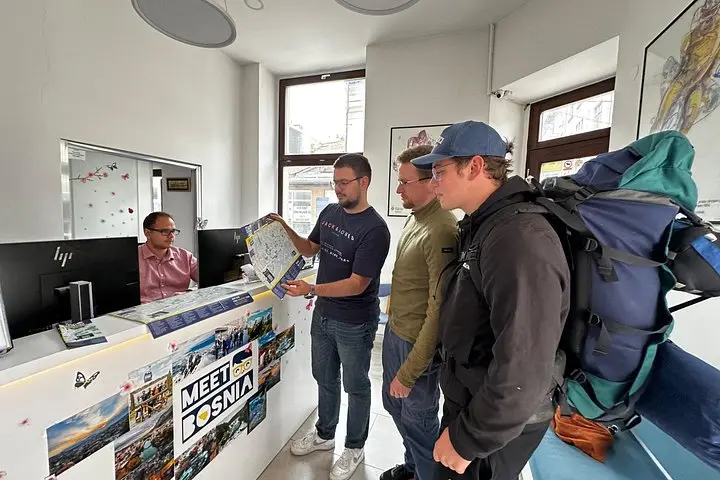
Meeting points are typically in Baščaršija at the tour operator’s office or a central landmark; confirm exact address and a phone contact when you book.
Many parts of the Old Town are reachable but cobblestones and narrow lanes can be challenging—check with the operator for specific accessibility support and route adjustments.
Yes—most guides can accommodate vegetarian, halal, or allergy requests if notified in advance; bring specifics when you book.
Bring a small amount (10–30 BAM) for extra tastings, small crafts, and tips; major cards are accepted at larger shops but smaller vendors may be cash-only.
Meet Bosnia Travel operates guided outdoor trips and adventures with an emphasis on safety, stewardship, and memorable experiences.
You step off a narrow cobbled street and the city opens—steam from a cezve of coffee curls into the air, copper pans clink in a smith’s shop, and the Miljacka River glints a few blocks away like a guidebook calling you forward.
You step off a narrow cobbled street and the city opens—steam from a cezve of coffee curls into the air, copper pans clink in a smith’s shop, and the Miljacka River glints a few blocks away like a guidebook calling you forward.
This 4‑hour walking tour threads through Baščaršija, Sarajevo’s Ottoman-era market quarter founded in the 15th century. Expect labyrinthine alleys paved in worn stone, low-rise Ottoman and Austro-Hungarian facades, and workshops where traditional brushmakers and coppersmiths still practice crafts passed down through generations. The geology of the region—karst limestone slopes feeding narrow river valleys—gives the city its bowl-like feel and the surrounding hills that frame dramatic views.
Culturally, the tour is a sensory primer: savory ćevapi, smoked and cured meats, flaky baklava and bitter coffee illustrate centuries of trade and culinary fusion at the crossroads of East and West. Local guides often point out small guild houses, the Ottoman fountain (sebilj), and the way craftspeople adapt materials to urban constraints.
Practically: the route is mostly level but uses cobbles and occasional steps; plan for about 2–4 kilometers of walking and comfortable pacing. Mornings are cooler and less crowded; late afternoons offer fuller tastings. Carry local currency for small purchases, wear grippy shoes, and allow for sensory overload—this is a tasting tour as much as a history walk.
If you’re curious about living traditions rather than a museum overview, this is a compact, grounded way to meet Sarajevo on foot.