THE ADVENTURE COLLECTIVE® · Independent discovery and booking for outdoor travel

Walk Sarajevo’s Jewish quarter with a local guide to see the Jewish Museum, Ashkenazi synagogue, centuries‑old cemetery and the story of the Sarajevo Haggadah. This 2–3 hour walking tour pairs dense history with compact, walkable routes through the city’s layered architecture.
Walk Sarajevo’s Jewish quarter with a local guide to see the Jewish Museum, Ashkenazi synagogue, centuries‑old cemetery and the story of the Sarajevo Haggadah. This 2–3 hour walking tour pairs dense history with compact, walkable routes through the city’s layered architecture.
You begin on a cool stone street in Baščaršija, Sarajevo’s old bazaar, where the city’s layered history feels like footsteps echoing off walls. The Miljacka River cuts the bowl of the valley below, nudging the city forward as you step toward the Jewish Museum housed in a 16th‑century synagogue. Here a short film about the Sarajevo Haggadah sets the tone: a medieval manuscript that survived exile, empire and war.
Verified experiences and guided adventures in the surrounding area.
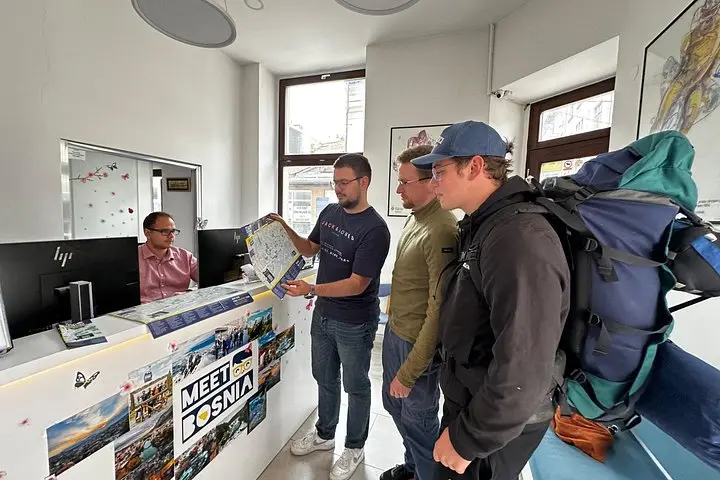
Operated by Meet Bosnia Travel · Sarajevo, Sarajevo Canton
You begin on a cool stone street in Baščaršija, Sarajevo’s old bazaar, where the city’s layered history feels like footsteps echoing off walls. The Miljacka River cuts the bowl of the valley below, nudging the city forward as you step toward the Jewish Museum housed in a 16th‑century synagogue. Here a short film about the Sarajevo Haggadah sets the tone: a medieval manuscript that survived exile, empire and war.
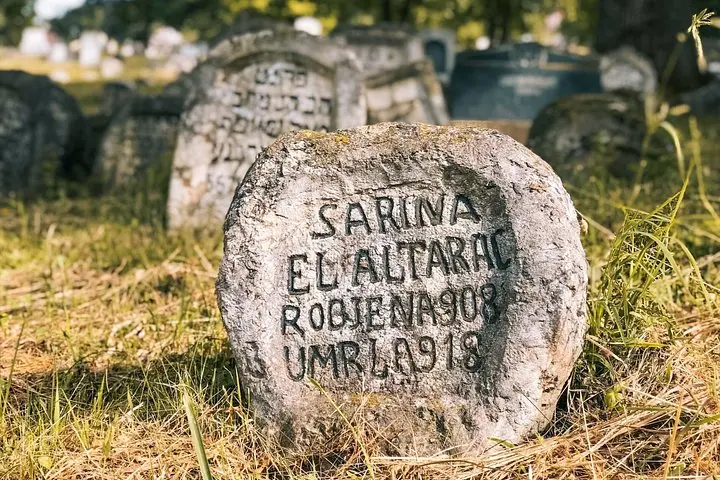
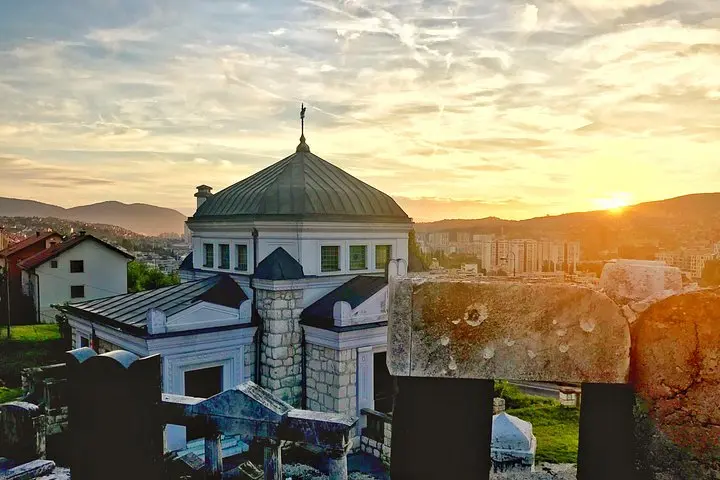
The tour traces the arc of a community that arrived from Spain and Portugal in the mid‑15th century, bringing Sephardic liturgy and commerce that reshaped Sarajevo’s market streets. Walk past Ottoman‑era masonry and Austro‑Hungarian facades; the transition in architectural grammar tells a story of changing rule and cultural exchange. Visit the Ashkenazi Synagogue, still active, and an almost 500‑year‑old Jewish cemetery whose stone inscriptions map centuries of life and loss.
Local guides link anecdotes to artifacts: where the first Jewish school stood, which shops financed cultural institutions, and the unlikely custodians of the Haggadah. The terrain is urban — cobbles, narrow alleys, a few inclines — but your reward is a dense concentration of sites and human stories.
Practical guidance: plan for a 2–3 hour walk on uneven pavement, wear comfortable shoes, and carry a light waterproof layer in shoulder seasons. Museums and synagogues may have limited entry times; confirm openings and bring ID for any ticketed displays. Respect religious spaces: modest dress and quiet photography practices keep access intact for future visitors.
The walk typically lasts 2–3 hours, covering multiple sites in Sarajevo’s old town with stops for explanations and brief visits.
The tour includes guided visits but some museum or exhibit admissions may not be covered—confirm with the operator before booking.
The route is stroller‑accessible in parts, but cobblestones and steps may make some sections difficult; children should be supervised.
Private arrangements or modified routes can often be arranged—contact the operator in advance to discuss accessibility and pickup options.
Meet Bosnia Travel operates guided outdoor trips and adventures with an emphasis on safety, stewardship, and memorable experiences.
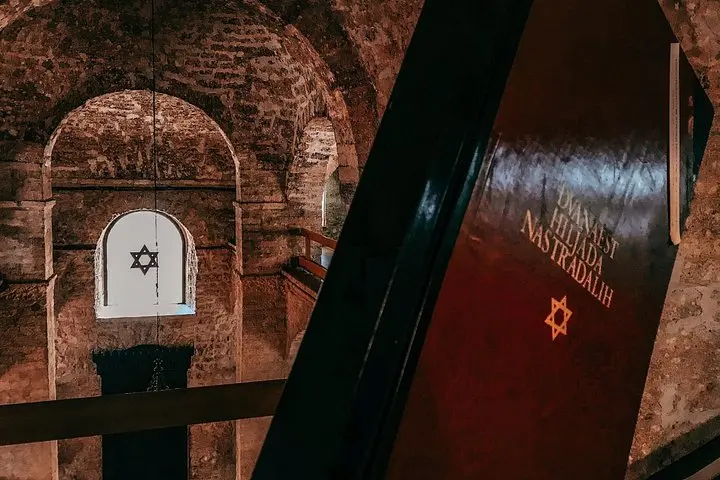
You begin on a cool stone street in Baščaršija, Sarajevo’s old bazaar, where the city’s layered history feels like footsteps echoing off walls. The Miljacka River cuts the bowl of the valley below, nudging the city forward as you step toward the Jewish Museum housed in a 16th‑century synagogue. Here a short film about the Sarajevo Haggadah sets the tone: a medieval manuscript that survived exile, empire and war.
You begin on a cool stone street in Baščaršija, Sarajevo’s old bazaar, where the city’s layered history feels like footsteps echoing off walls. The Miljacka River cuts the bowl of the valley below, nudging the city forward as you step toward the Jewish Museum housed in a 16th‑century synagogue. Here a short film about the Sarajevo Haggadah sets the tone: a medieval manuscript that survived exile, empire and war.
The tour traces the arc of a community that arrived from Spain and Portugal in the mid‑15th century, bringing Sephardic liturgy and commerce that reshaped Sarajevo’s market streets. Walk past Ottoman‑era masonry and Austro‑Hungarian facades; the transition in architectural grammar tells a story of changing rule and cultural exchange. Visit the Ashkenazi Synagogue, still active, and an almost 500‑year‑old Jewish cemetery whose stone inscriptions map centuries of life and loss.
Local guides link anecdotes to artifacts: where the first Jewish school stood, which shops financed cultural institutions, and the unlikely custodians of the Haggadah. The terrain is urban — cobbles, narrow alleys, a few inclines — but your reward is a dense concentration of sites and human stories.
Practical guidance: plan for a 2–3 hour walk on uneven pavement, wear comfortable shoes, and carry a light waterproof layer in shoulder seasons. Museums and synagogues may have limited entry times; confirm openings and bring ID for any ticketed displays. Respect religious spaces: modest dress and quiet photography practices keep access intact for future visitors.