THE ADVENTURE COLLECTIVE® · Independent discovery and booking for outdoor travel

Drive from Sarajevo into the Olympic mountains—Trebević, Igman and Bjelašnica—then cool off at Vrelo Bosne. This 4‑hour guided tour mixes Olympic history, karst geology, and easy walks with scenic views.
Drive from Sarajevo into the Olympic mountains—Trebević, Igman and Bjelašnica—then cool off at Vrelo Bosne. This 4‑hour guided tour mixes Olympic history, karst geology, and easy walks with scenic views.
A low morning sun slants across a winding mountain road as the van climbs away from Sarajevo, and the city tumbles open below—the old red roofs, the Miljacka threading through stone bridges. The first stop is Trebević, where the concrete ribs of the bobsleigh track curve like a frozen wave; visitors can walk its edge and feel the echo of the 1984 Winter Games.
Verified experiences and guided adventures in the surrounding area.
Operated by Meet Bosnia Travel · Sarajevo, Sarajevo Canton
A low morning sun slants across a winding mountain road as the van climbs away from Sarajevo, and the city tumbles open below—the old red roofs, the Miljacka threading through stone bridges. The first stop is Trebević, where the concrete ribs of the bobsleigh track curve like a frozen wave; visitors can walk its edge and feel the echo of the 1984 Winter Games.
The route moves through Igman and Bjelašnica, peaks carved from the Dinaric Alps’ limestone and schist. Igman’s grassy bowls once held Nordic skiing and biathlon ranges; Bjelašnica still operates as Bosnia’s primary alpine center with lifts and mountain huts that date to Austro-Hungarian and Yugoslav development. The day finishes at Vrelo Bosne (Spring of the Bosna River), a park where oak-lined alleys and karst springs feed crystal streams and reveal the region’s hydrology.
Culturally the tour blends Olympic legacy with wartime memory and Austro-Hungarian influences visible in villa architecture near the spring. Guides provide local context—sports history, geology, and community life—while pointing out seasonal differences in flora and light.
Practical expectations: plan for a 4-hour outing with several short walks, photo stops, and optional cable car or tea at a mountain house. Comfortable shoes, a windproof layer, and water are essential; weather changes quickly above 1,200–2,000 m. Expect easy terrain at Vrelo Bosne, uneven concrete at the bobsleigh track, and paved or gravel roads between viewpoints. Morning departures offer cleaner air and crisper views; late afternoons return in time for Sarajevo’s cafés.
Yes; the tour lists hotel pickup and drop‑off in Sarajevo as part of the inclusion.
Yes; visitors are typically allowed to walk on the abandoned bobsleigh track at Trebević for photos.
The tour notes stroller access and is suitable for children, though some short walks are over uneven ground.
Cable car rides are optional and usually not included—ask the operator about on‑site ticketing for lifts.
Meet Bosnia Travel operates guided outdoor trips and adventures with an emphasis on safety, stewardship, and memorable experiences.
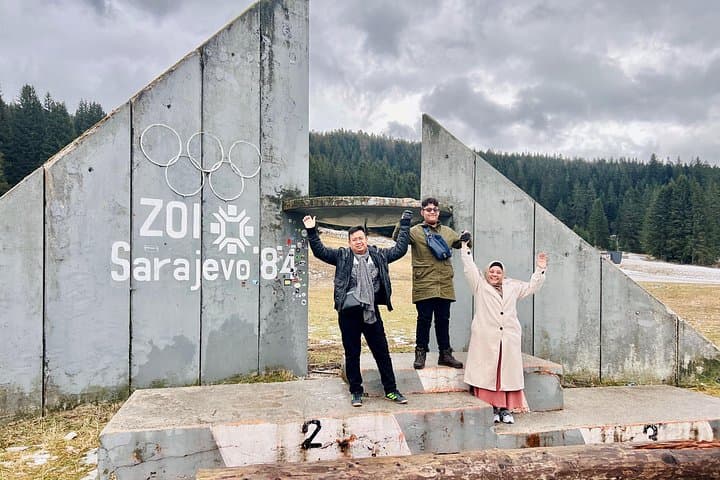

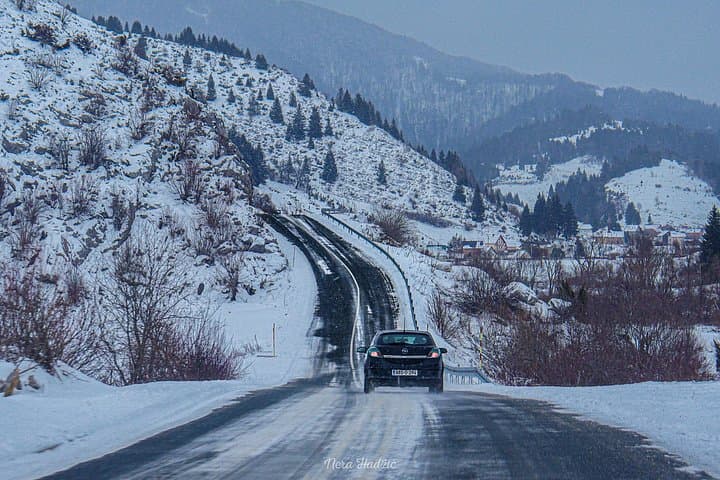
A low morning sun slants across a winding mountain road as the van climbs away from Sarajevo, and the city tumbles open below—the old red roofs, the Miljacka threading through stone bridges. The first stop is Trebević, where the concrete ribs of the bobsleigh track curve like a frozen wave; visitors can walk its edge and feel the echo of the 1984 Winter Games.
A low morning sun slants across a winding mountain road as the van climbs away from Sarajevo, and the city tumbles open below—the old red roofs, the Miljacka threading through stone bridges. The first stop is Trebević, where the concrete ribs of the bobsleigh track curve like a frozen wave; visitors can walk its edge and feel the echo of the 1984 Winter Games.
The route moves through Igman and Bjelašnica, peaks carved from the Dinaric Alps’ limestone and schist. Igman’s grassy bowls once held Nordic skiing and biathlon ranges; Bjelašnica still operates as Bosnia’s primary alpine center with lifts and mountain huts that date to Austro-Hungarian and Yugoslav development. The day finishes at Vrelo Bosne (Spring of the Bosna River), a park where oak-lined alleys and karst springs feed crystal streams and reveal the region’s hydrology.
Culturally the tour blends Olympic legacy with wartime memory and Austro-Hungarian influences visible in villa architecture near the spring. Guides provide local context—sports history, geology, and community life—while pointing out seasonal differences in flora and light.
Practical expectations: plan for a 4-hour outing with several short walks, photo stops, and optional cable car or tea at a mountain house. Comfortable shoes, a windproof layer, and water are essential; weather changes quickly above 1,200–2,000 m. Expect easy terrain at Vrelo Bosne, uneven concrete at the bobsleigh track, and paved or gravel roads between viewpoints. Morning departures offer cleaner air and crisper views; late afternoons return in time for Sarajevo’s cafés.