THE ADVENTURE COLLECTIVE® · Independent discovery and booking for outdoor travel

Walk the route of survival in Sarajevo: a vehicle-supported 3–4 hour tour that includes the Tunnel of Hope museum, Trebević viewpoints, the abandoned Bob Track and the historic Jewish Cemetery. Guides provide first-hand context, archival film and short, accessible walks.
Walk the route of survival in Sarajevo: a vehicle-supported 3–4 hour tour that includes the Tunnel of Hope museum, Trebević viewpoints, the abandoned Bob Track and the historic Jewish Cemetery. Guides provide first-hand context, archival film and short, accessible walks.
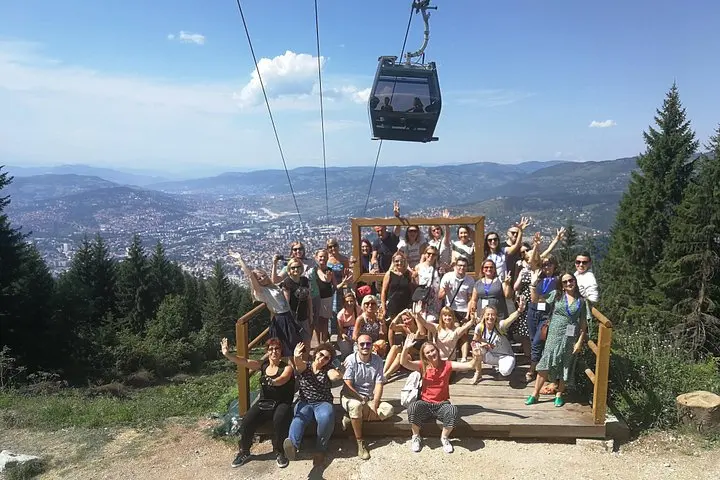
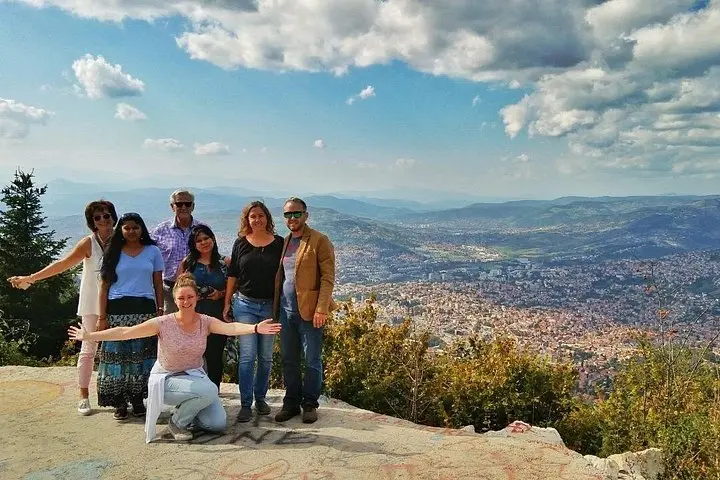
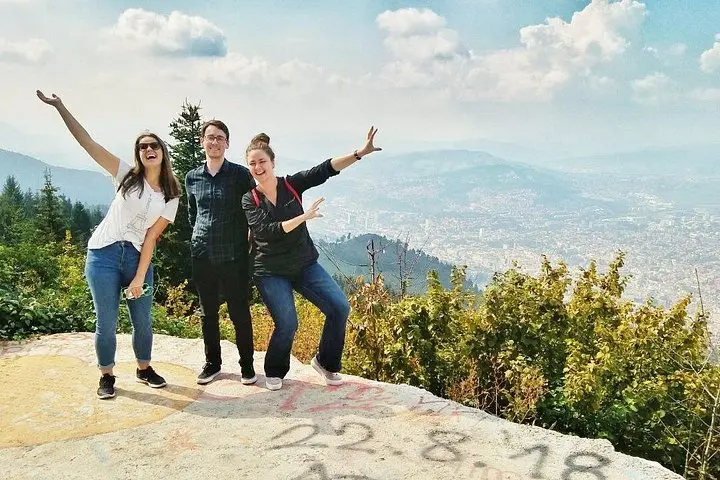
You step out of the jeep above the city with wind slicing across Trebević and Sarajevo spread below like a lived-in map. The Miljacka River dares you to follow its pale ribbon through the valley; the slopes still hold the scars of concrete and rust that mark where lines once met and lives were rerouted.
Verified experiences and guided adventures in the surrounding area.
Operated by Spirit Tours Sarajevo · Sarajevo, Federation of Bosnia and Herzegovina
You step out of the jeep above the city with wind slicing across Trebević and Sarajevo spread below like a lived-in map. The Miljacka River dares you to follow its pale ribbon through the valley; the slopes still hold the scars of concrete and rust that mark where lines once met and lives were rerouted.
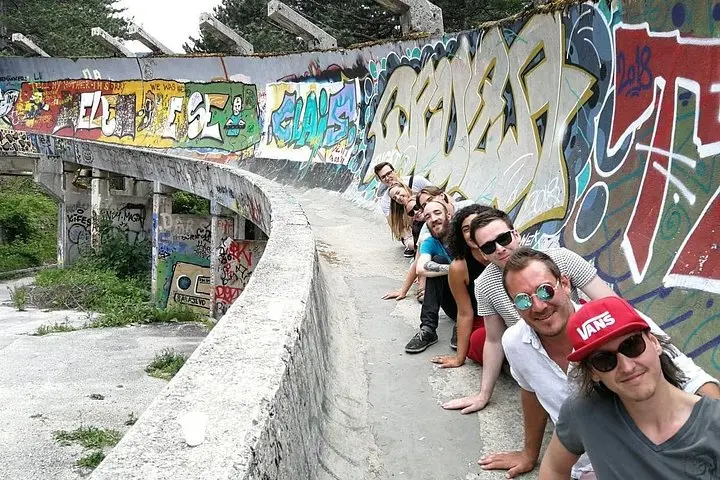
The tour threads history and terrain: Sarajevo endured the 1,425-day siege (1992–1996), a modern siege that reshaped neighborhoods and memory. The Tunnel of Hope—built by residents to bypass the blockade—served as lifeline; today’s museum preserves a 25‑meter section and archival film that place the logistics of survival in stark relief. Geologically the city sits in a Dinaric Alpine basin, Trebević rising to about 1,230 m offers vistas and the abandoned Olympic bob track, a concrete ribbon of the 1984 Games that now reads like a ruined promontory, ideal for photos and measured reflection. Cultural context is constant: multi-ethnic streets, the Jewish Cemetery on the hill that witnessed combat, and memorials to children killed in the conflict.
Expect a 3–4 hour, vehicle-supported outing with short walks over uneven surfaces and paved viewpoints. Guides mix narrative with onsite artifacts—sniper routes, memorials, and the tunnel exhibit—so bring attention, not just a camera. Practical notes: dress in layers, wear sturdy shoes for the Bob Track and cemetery paths, carry water, and maintain respectful silence at memorials. This tour pairs immersive storytelling with straightforward logistics—history you can walk through and terrain that still speaks.
Yes—the museum preserves a 25‑meter section for visitors; it’s well-lit and maintained, though it’s narrow and may feel claustrophobic for some.
No—the tour is vehicle-supported with short walks at each stop; expect mostly standing, short walking segments and one moderate walk along the Bob Track.
The tour is advertised as accessible and suitable for all fitness levels, but the tunnel and some viewpoints have tight or uneven areas—ask about specific mobility needs at booking.
Yes—guides provide historical and contemporary context about the siege and its impact; they aim to explain circumstances rather than promote political positions.
Spirit Tours Sarajevo operates guided outdoor trips and adventures with an emphasis on safety, stewardship, and memorable experiences.
You step out of the jeep above the city with wind slicing across Trebević and Sarajevo spread below like a lived-in map. The Miljacka River dares you to follow its pale ribbon through the valley; the slopes still hold the scars of concrete and rust that mark where lines once met and lives were rerouted.
You step out of the jeep above the city with wind slicing across Trebević and Sarajevo spread below like a lived-in map. The Miljacka River dares you to follow its pale ribbon through the valley; the slopes still hold the scars of concrete and rust that mark where lines once met and lives were rerouted.
The tour threads history and terrain: Sarajevo endured the 1,425-day siege (1992–1996), a modern siege that reshaped neighborhoods and memory. The Tunnel of Hope—built by residents to bypass the blockade—served as lifeline; today’s museum preserves a 25‑meter section and archival film that place the logistics of survival in stark relief. Geologically the city sits in a Dinaric Alpine basin, Trebević rising to about 1,230 m offers vistas and the abandoned Olympic bob track, a concrete ribbon of the 1984 Games that now reads like a ruined promontory, ideal for photos and measured reflection. Cultural context is constant: multi-ethnic streets, the Jewish Cemetery on the hill that witnessed combat, and memorials to children killed in the conflict.
Expect a 3–4 hour, vehicle-supported outing with short walks over uneven surfaces and paved viewpoints. Guides mix narrative with onsite artifacts—sniper routes, memorials, and the tunnel exhibit—so bring attention, not just a camera. Practical notes: dress in layers, wear sturdy shoes for the Bob Track and cemetery paths, carry water, and maintain respectful silence at memorials. This tour pairs immersive storytelling with straightforward logistics—history you can walk through and terrain that still speaks.