THE ADVENTURE COLLECTIVE® · Independent discovery and booking for outdoor travel

Drive from Sarajevo to Dubrovnik through Herzegovina’s limestone valleys, historic towns and the cooling plunge pools of Kravice. This full-day route mixes Ottoman history, karst geology and swim breaks—ideal for travelers who want culture and nature in one long, scenic day.
Drive from Sarajevo to Dubrovnik through Herzegovina’s limestone valleys, historic towns and the cooling plunge pools of Kravice. This full-day route mixes Ottoman history, karst geology and swim breaks—ideal for travelers who want culture and nature in one long, scenic day.
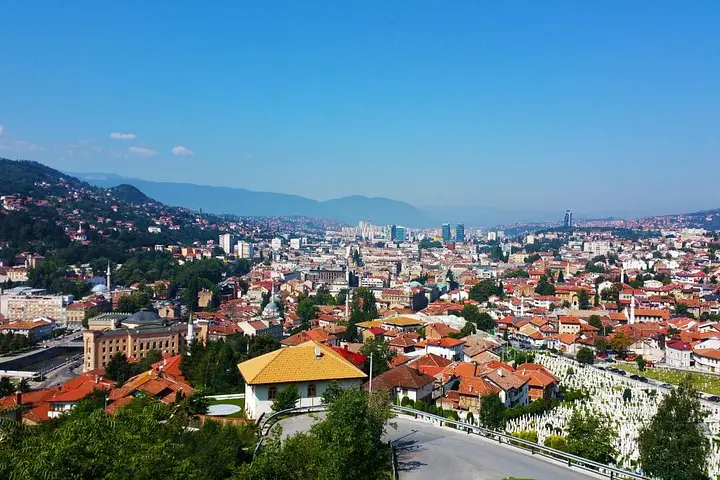
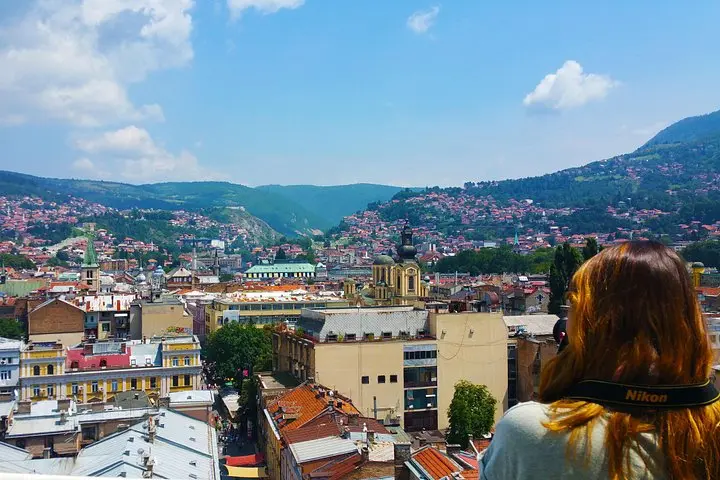
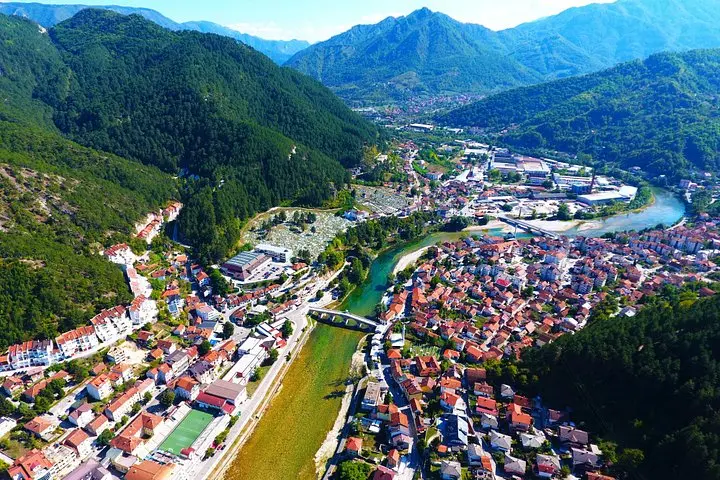
You step into a corridor of stone and river light—mountain road unwinds from Sarajevo, terraces slide down toward the Neretva valley, and the air begins to taste of limestone and pine.
Verified experiences and guided adventures in the surrounding area.
Operated by Superb Adventures Tours · Sarajevo, Federation of Bosnia and Herzegovina
You step into a corridor of stone and river light—mountain road unwinds from Sarajevo, terraces slide down toward the Neretva valley, and the air begins to taste of limestone and pine.
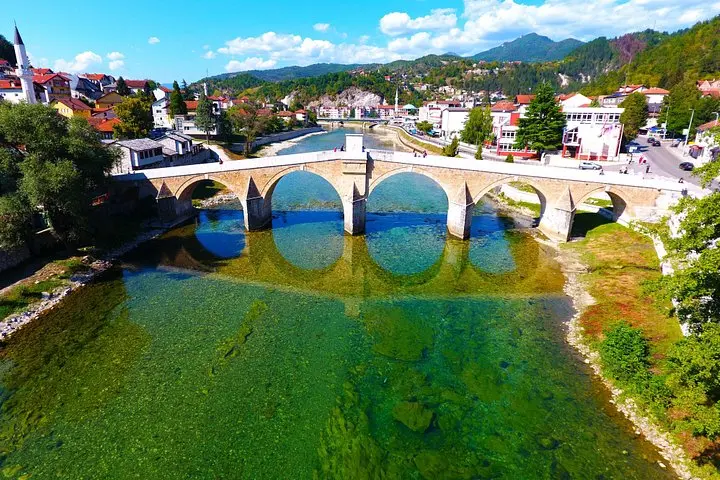
The route threads Ottoman-era towns, Austro-Hungarian bridges and karst springs. In Mostar the 16th-century Stari Most still draws divers and crowds; below its arch, the Neretva dares you with cold, fast water. Blagaj's Dervish tekke sits at the Buna spring where karst-fed water issues from a cliff cave like a cool breath. Further south, Kravice’s cascades step down a semicircular cliff, their pools inviting on hot afternoons.
Geology here is karst—limestone worn into caves, springs and waterfalls over millennia—so expect abrupt cliffs, pebble shores and clear, mineral-rich water. Culture alternates Muslim, Catholic and Orthodox influences in food, architecture and daily rhythm; taste lamb grilled Bosnian-style and espresso by the bridge.
Practical guide: this shared private transfer runs 6–10 hours depending on stops. Wear sturdy walking shoes for cobbled streets and slippery wet rocks; bring swimwear and a towel if you plan to enter Kravice. Summer brings long daylight and warm water; spring and fall are quieter but cooler. Hydrate and carry a light layer—the karst wind can be sharp at sunset. Photography windows are brief at popular viewpoints, so move quickly and be respectful of local sites. If accessibility or specific pickup is required, confirm in advance; the route can be adapted on request.
Yes; visitors can swim in designated areas when conditions permit—bring swimwear and be prepared for cool, clear water.
Most journeys start in Sarajevo and finish in Dubrovnik (or reverse) but pickup/drop-off can be arranged elsewhere on request—confirm when booking.
Transport options are listed as wheelchair accessible, but access at some historic sites involves steps and uneven terrain—check specific stop access in advance.
Lunch is typically not included; the itinerary includes stops where you can buy local food such as grilled lamb or riverside cafés near Blagaj.
Superb Adventures Tours operates guided outdoor trips and adventures with an emphasis on safety, stewardship, and memorable experiences.
You step into a corridor of stone and river light—mountain road unwinds from Sarajevo, terraces slide down toward the Neretva valley, and the air begins to taste of limestone and pine.
You step into a corridor of stone and river light—mountain road unwinds from Sarajevo, terraces slide down toward the Neretva valley, and the air begins to taste of limestone and pine.
The route threads Ottoman-era towns, Austro-Hungarian bridges and karst springs. In Mostar the 16th-century Stari Most still draws divers and crowds; below its arch, the Neretva dares you with cold, fast water. Blagaj's Dervish tekke sits at the Buna spring where karst-fed water issues from a cliff cave like a cool breath. Further south, Kravice’s cascades step down a semicircular cliff, their pools inviting on hot afternoons.
Geology here is karst—limestone worn into caves, springs and waterfalls over millennia—so expect abrupt cliffs, pebble shores and clear, mineral-rich water. Culture alternates Muslim, Catholic and Orthodox influences in food, architecture and daily rhythm; taste lamb grilled Bosnian-style and espresso by the bridge.
Practical guide: this shared private transfer runs 6–10 hours depending on stops. Wear sturdy walking shoes for cobbled streets and slippery wet rocks; bring swimwear and a towel if you plan to enter Kravice. Summer brings long daylight and warm water; spring and fall are quieter but cooler. Hydrate and carry a light layer—the karst wind can be sharp at sunset. Photography windows are brief at popular viewpoints, so move quickly and be respectful of local sites. If accessibility or specific pickup is required, confirm in advance; the route can be adapted on request.