THE ADVENTURE COLLECTIVE® · Independent discovery and booking for outdoor travel

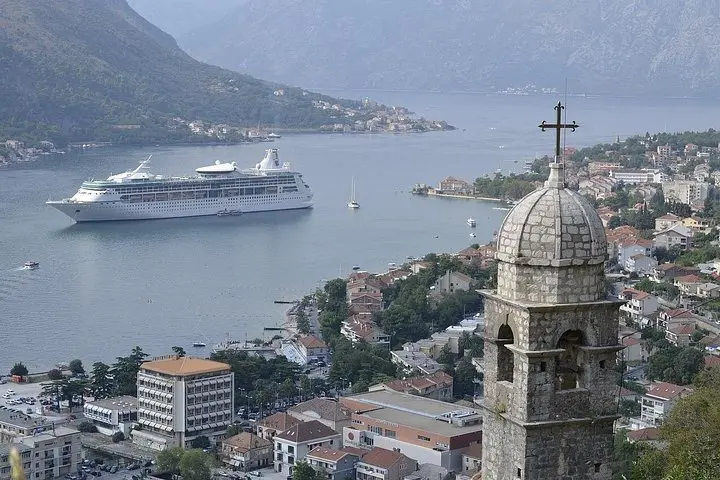
A one-day journey from Sarajevo through Herzegovina’s river canyons, Ottoman towns, and UNESCO-listed Mostar, ending with a transfer toward Kotor. Expect karst springs, wartime memorials, and compact walking tours of historic centers.
A one-day journey from Sarajevo through Herzegovina’s river canyons, Ottoman towns, and UNESCO-listed Mostar, ending with a transfer toward Kotor. Expect karst springs, wartime memorials, and compact walking tours of historic centers.
You roll out of Sarajevo just after dawn, the city’s modern skyline shrinking as the road climbs and the mountains close in. Pine slopes and limestone walls frame the Neretva River, which cuts a cool, green ribbon through the valley and seems to dare you to look away.
Verified experiences and guided adventures in the surrounding area.
Operated by Bosnian Voyager · Mostar, Herzegovina-Neretva Canton
You roll out of Sarajevo just after dawn, the city’s modern skyline shrinking as the road climbs and the mountains close in. Pine slopes and limestone walls frame the Neretva River, which cuts a cool, green ribbon through the valley and seems to dare you to look away.
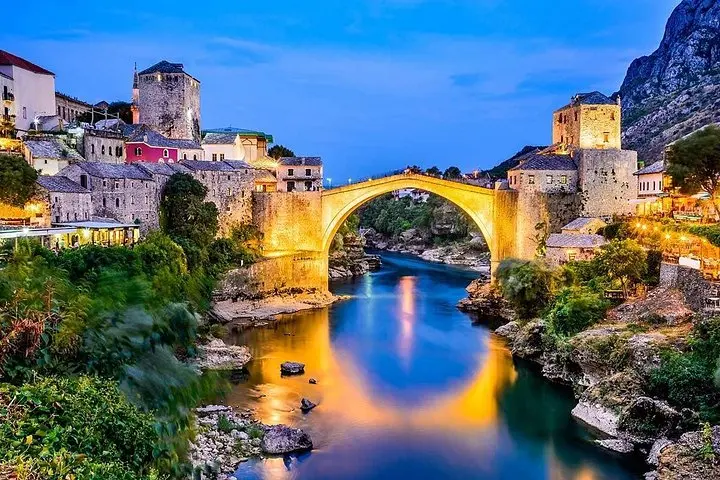
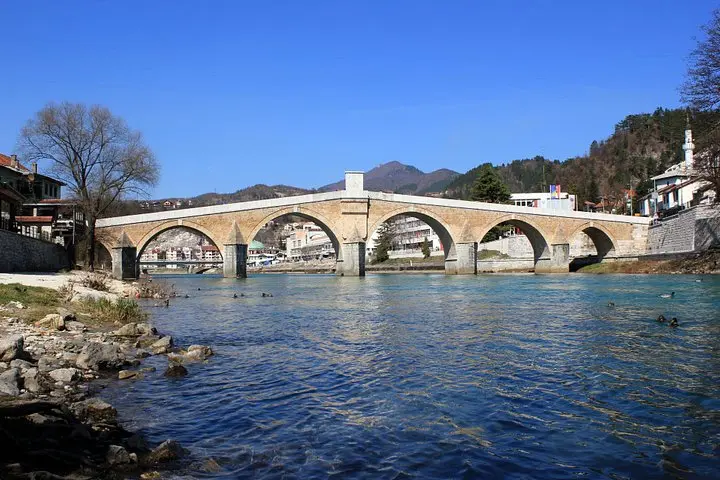
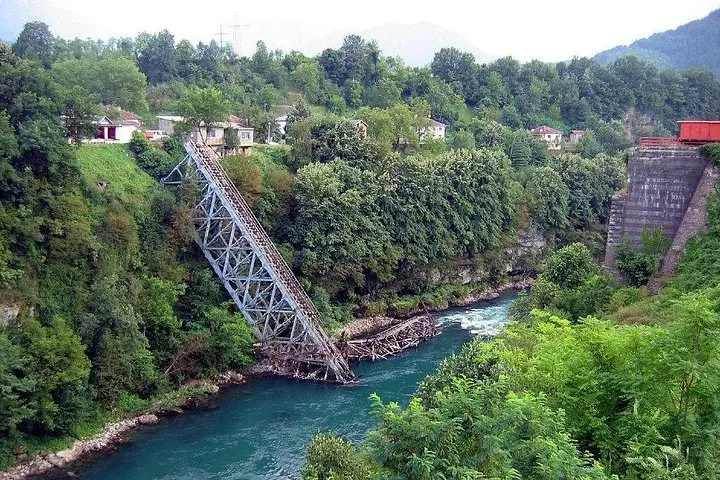
This full-day route threads together Herzegovina’s layered history: ancient Illyrian and medieval settlements, Ottoman bazaars and bridges, and Austro-Hungarian masonry. Konjic’s Ottoman stone bridge and Jablanica’s Battle on the Neretva memorial recall 20th-century conflicts; Mostar’s Old Bridge — rebuilt after wartime destruction — stands as the best-known symbol of the region’s resilience. Geologically, you’ll pass karst springs and canyons: Blagaj’s Vrelo Buna is a karstic resurgence that gushes from cave mouths and feeds the Buna River, while the surrounding limestone slopes hold caves and sheer cliff faces that shape local microclimates.
Culturally, expect a mix of Bosnian and Herzegovinian flavors — small-town markets, riverside tekke (Sufi monastery) at Blagaj, and the stone streets of Mostar’s Old Town. Local guides typically weave history with practical context: where bridges stood, why villages cluster by springs, and how borders shifted.
Practicalities: it’s a long day (about 12 hours) with multiple short walks and stairs; comfortable walking shoes and layers are essential. Border crossing toward Montenegro at the end of the day requires passports and patience during high season. Carry cash for small cafes, bring a refillable bottle for cold spring water, and plan for photography stops—light changes quickly in the canyon. The tour balances scenic drives with concentrated walking and is accessible to most fitness levels.
The tour departs from Sarajevo (hotel pickup) in the morning and concludes with a transfer toward Kotor, Montenegro, after the Herzegovina itinerary.
The tour includes entrance fees to specified sites and bottled water; lunch at a local restaurant is commonly included—confirm at booking.
The itinerary is categorized as physically easy, but it involves walking on uneven surfaces and stairs; some sites have limited wheelchair access—check specific accessibility needs before booking.
Bosnia and Herzegovina uses the convertible mark (BAM); some small vendors prefer cash, so carry local currency for souvenirs and small purchases.
Bosnian Voyager operates guided outdoor trips and adventures with an emphasis on safety, stewardship, and memorable experiences.
You roll out of Sarajevo just after dawn, the city’s modern skyline shrinking as the road climbs and the mountains close in. Pine slopes and limestone walls frame the Neretva River, which cuts a cool, green ribbon through the valley and seems to dare you to look away.
You roll out of Sarajevo just after dawn, the city’s modern skyline shrinking as the road climbs and the mountains close in. Pine slopes and limestone walls frame the Neretva River, which cuts a cool, green ribbon through the valley and seems to dare you to look away.
This full-day route threads together Herzegovina’s layered history: ancient Illyrian and medieval settlements, Ottoman bazaars and bridges, and Austro-Hungarian masonry. Konjic’s Ottoman stone bridge and Jablanica’s Battle on the Neretva memorial recall 20th-century conflicts; Mostar’s Old Bridge — rebuilt after wartime destruction — stands as the best-known symbol of the region’s resilience. Geologically, you’ll pass karst springs and canyons: Blagaj’s Vrelo Buna is a karstic resurgence that gushes from cave mouths and feeds the Buna River, while the surrounding limestone slopes hold caves and sheer cliff faces that shape local microclimates.
Culturally, expect a mix of Bosnian and Herzegovinian flavors — small-town markets, riverside tekke (Sufi monastery) at Blagaj, and the stone streets of Mostar’s Old Town. Local guides typically weave history with practical context: where bridges stood, why villages cluster by springs, and how borders shifted.
Practicalities: it’s a long day (about 12 hours) with multiple short walks and stairs; comfortable walking shoes and layers are essential. Border crossing toward Montenegro at the end of the day requires passports and patience during high season. Carry cash for small cafes, bring a refillable bottle for cold spring water, and plan for photography stops—light changes quickly in the canyon. The tour balances scenic drives with concentrated walking and is accessible to most fitness levels.